
Explore how making green energy cheaper than fossil fuels is essential for driving global sustainability. Affordable green energy will not only reduce environmental damage and carbon emissions but also stimulate economic growth, create new job opportunities, and enhance energy security. As we transition from fossil fuels, green energy will become the backbone of a cleaner, more prosperous future for everyone, ensuring long-term benefits for our planet and economy.
Introduction: The Urgency of Affordable Green Energy
The world is at a critical crossroads. With fossil fuels still dominating global energy consumption, the need for green energy to be cheaper than fossil fuels has never been more urgent. Affordable green energy is the key to mitigating climate change, ensuring sustainability, and protecting the future of our planet. The transition to renewable energy must be economically feasible for all, making affordability a central pillar of future sustainability.
A report from the International Renewable Energy Agency (IRENA) highlights that renewable energy can become the cheapest source of power worldwide by 2030, but policy intervention and technological innovation are essential to making this transition possible. IRENA stresses that the pace of technology adoption and the scale of investments will determine how quickly we can reach the goal of affordable green energy.
“By embracing affordable green energy, we can build a sustainable future that benefits not just the planet, but also our economy, ensuring a better world for future generations.”
1. The Economic Challenges of Fossil Fuels vs. Green Energy
Fossil fuels are currently the dominant source of energy because of their established infrastructure and lower costs. However, these energy sources come with a long-term economic cost—environmental degradation, public health issues, and energy insecurity. Green energy, while essential, still faces challenges in affordability. The cost of renewable energy infrastructure has historically been high, but this is changing as technology advances and economies of scale are realized.
According to a report from The World Bank, fossil fuels are heavily subsidized worldwide, which artificially lowers their cost compared to renewable energy. However, the economic and environmental toll of fossil fuels, including climate change and health costs, is unsustainable. The report emphasizes that renewable energy needs to become more competitive in cost to accelerate the transition and reduce global dependency on fossil fuels.
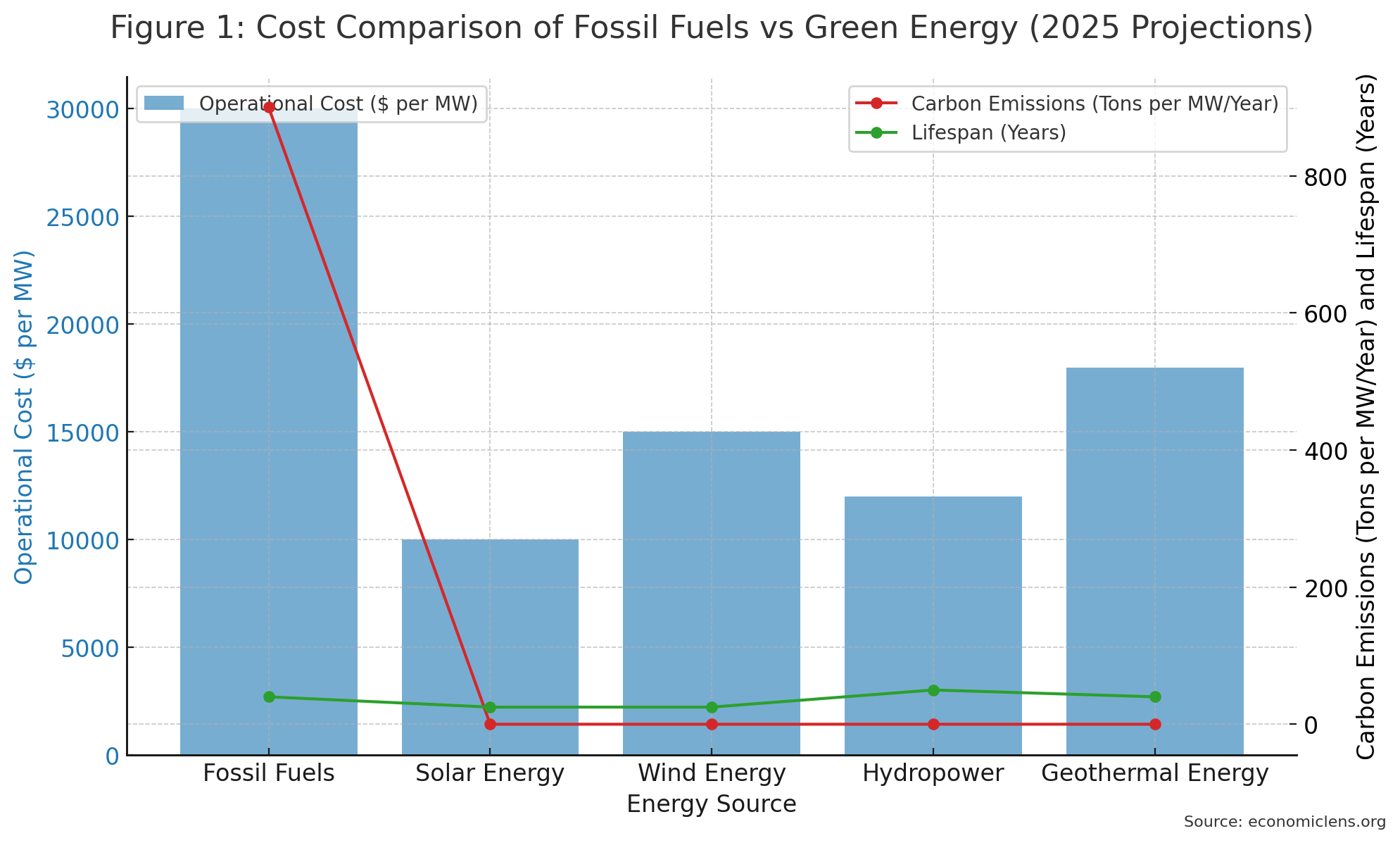
While the initial investment in fossil fuels is lower, their long-term costs, including environmental damage, far outweigh the initial savings. In contrast, although green energy technologies have higher upfront costs, they provide substantial long-term savings through lower operational costs and zero emissions, making them a more sustainable choice.
Dr. Mark Thompson, an expert in sustainable energy, states, “The economic transition to green energy requires long-term investment but yields exponential returns in terms of environmental health, job creation, and energy security.”
“Green energy is the future, and with each step toward affordability, we edge closer to a more sustainable, prosperous world for all.”
2. The Environmental and Economic Case for Cheaper Green Energy
The cost of fossil fuels often excludes the hidden environmental costs—carbon emissions, pollution, and climate change mitigation efforts. As green energy becomes more affordable, it offers the promise of a cleaner, more sustainable world without sacrificing economic growth. Renewable energy is not just good for the planet; it is good for the economy, providing jobs, reducing dependence on volatile fossil fuel markets, and offering long-term savings for consumers.
The United Nations Environment Programme (UNEP) published a report emphasizing that transitioning to renewable energy would drastically reduce global greenhouse gas emissions. According to UNEP’s analysis, if green energy becomes cheaper, it will stimulate economic growth, reduce the risks of climate change, and create sustainable employment in green tech sectors.
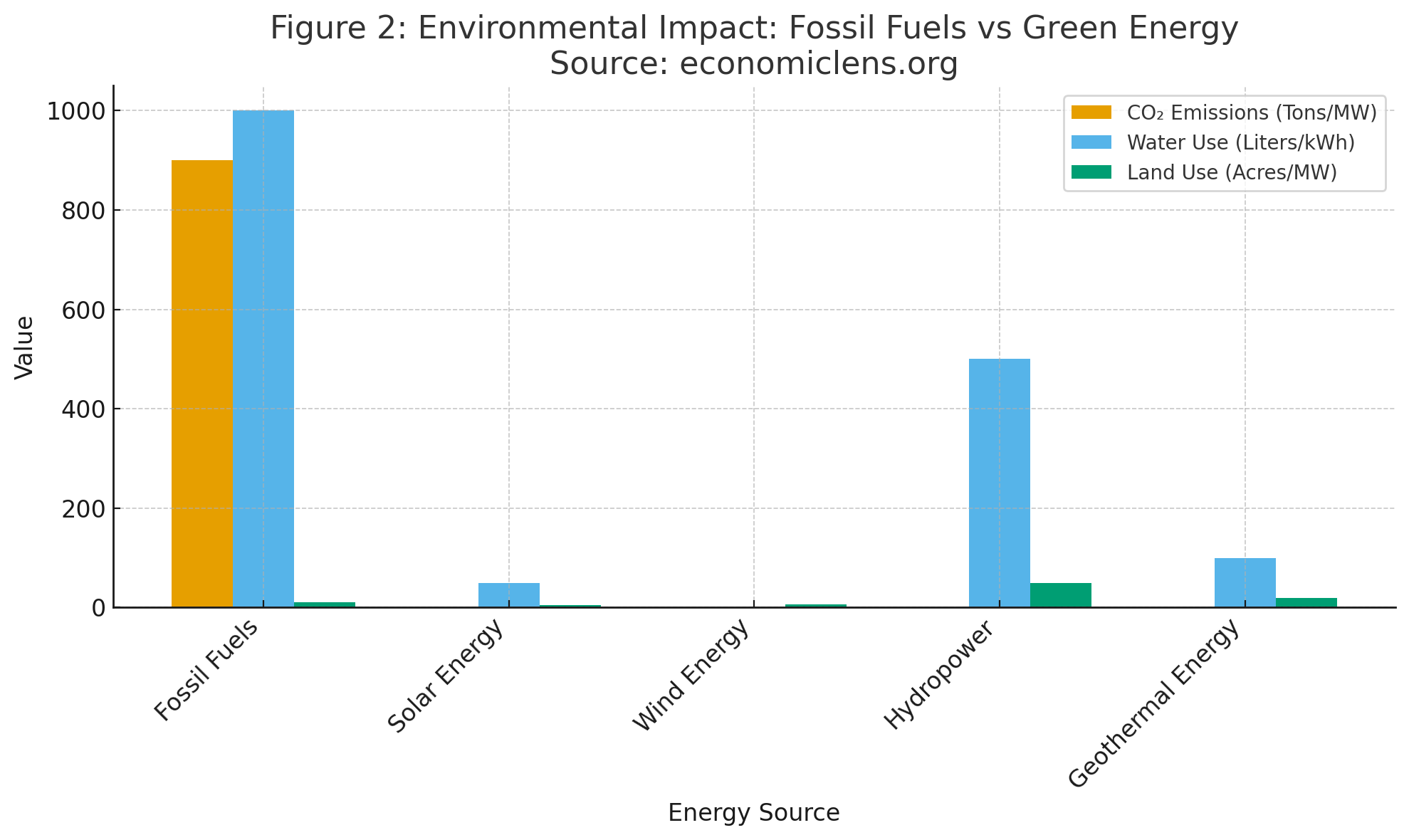
While fossil fuels are responsible for immense carbon emissions and environmental degradation, green energy sources like solar, wind, and geothermal produce negligible emissions, lower water use, and require far less land. The transition to green energy will greatly reduce our carbon footprint and mitigate climate change.
A report from The Intergovernmental Panel on Climate Change (IPCC) argues that transitioning to renewable energy is a crucial step toward reducing global emissions by 45% by 2030 to meet climate goals.
“Affordable green energy holds the key to not only sustaining our planet but creating a legacy of environmental responsibility for future generations.”
3. Technological Innovations Driving Down the Cost of Green Energy
Technological advancements in solar, wind, and energy storage are rapidly reducing the cost of green energy. Solar panels are becoming cheaper, wind turbines more efficient, and storage solutions more reliable. As the efficiency of green energy technologies improves, the overall cost of renewable energy will continue to fall, making it more accessible to individuals, businesses, and governments around the world.
The National Renewable Energy Laboratory (NREL) recently released a study showing that solar energy has decreased by over 80% in cost over the last decade, largely due to improved panel efficiency and manufacturing techniques. NREL’s findings suggest that continued innovation and scaling production will make green energy even more affordable, positioning it to eventually outperform fossil fuels in cost.
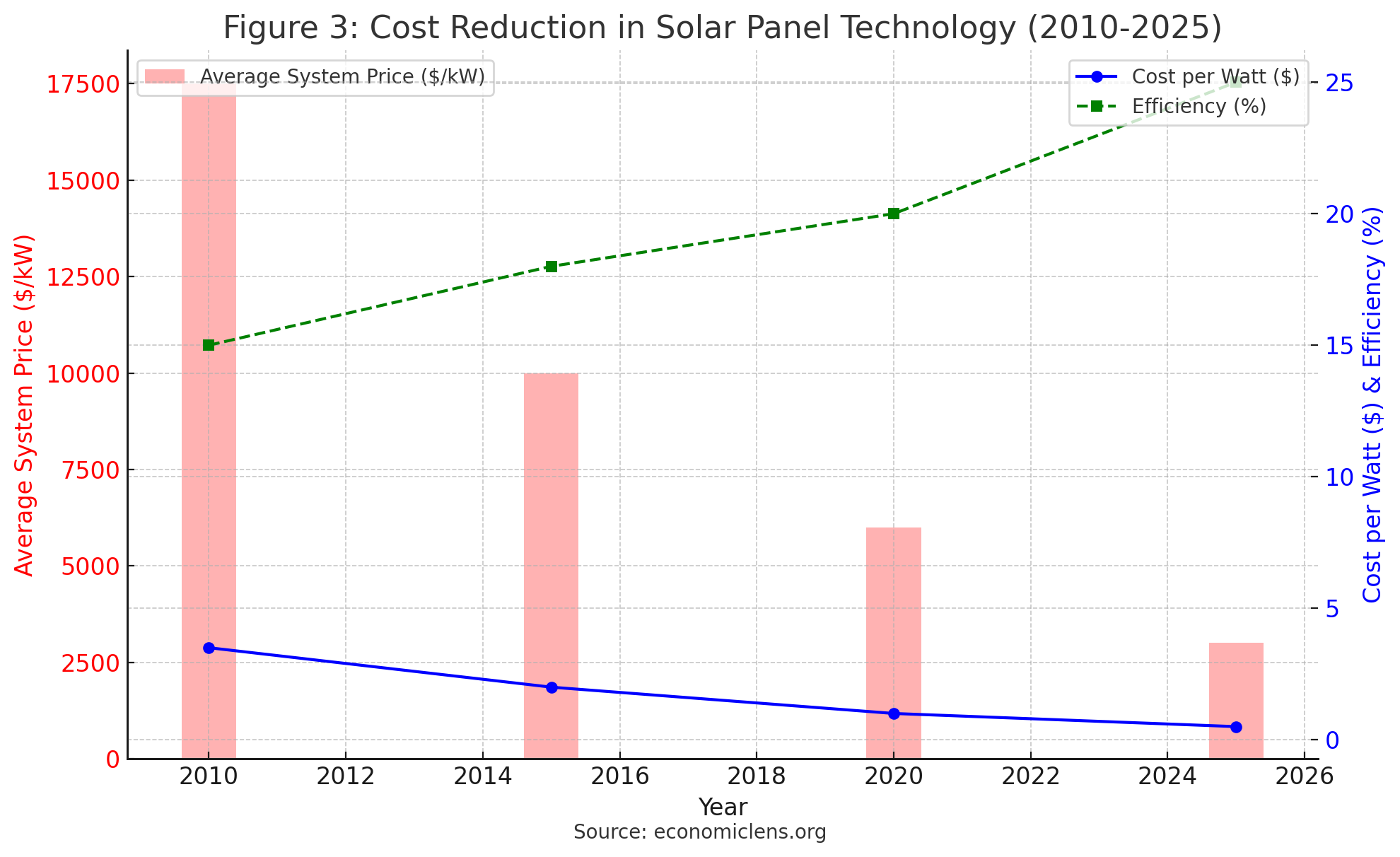
The cost of solar energy has dropped dramatically in the last decade. With continuous technological innovation, the price of green energy will continue to fall, eventually making it cheaper than fossil fuels in the near future. This progress demonstrates the potential of green energy to achieve price parity.
According to IRENA, the cost of renewable energy has fallen by 80% over the past decade, and solar is expected to become the cheapest form of energy within the next 5 years, leading the way in affordability and sustainability.
“As technology evolves, so does the potential for green energy to transform our world—becoming a beacon of sustainability and economic opportunity for all.”
4. The Role of Government and Private Investment in Making Green Energy Affordable
Governments and the private sector must work together to incentivize the adoption of renewable energy. Policies such as subsidies, tax incentives, and infrastructure investment are critical to accelerating the transition. At the same time, private investment in green energy technologies is necessary to drive innovation and scale production. Together, these efforts will bring the cost of green energy in line with or below the cost of fossil fuels.
According to the World Economic Forum (WEF), governments around the world must prioritize policies that support the widespread adoption of green energy. WEF’s latest report outlines how strategic investments in clean technologies can stimulate global economic recovery while reducing energy costs and increasing energy access.
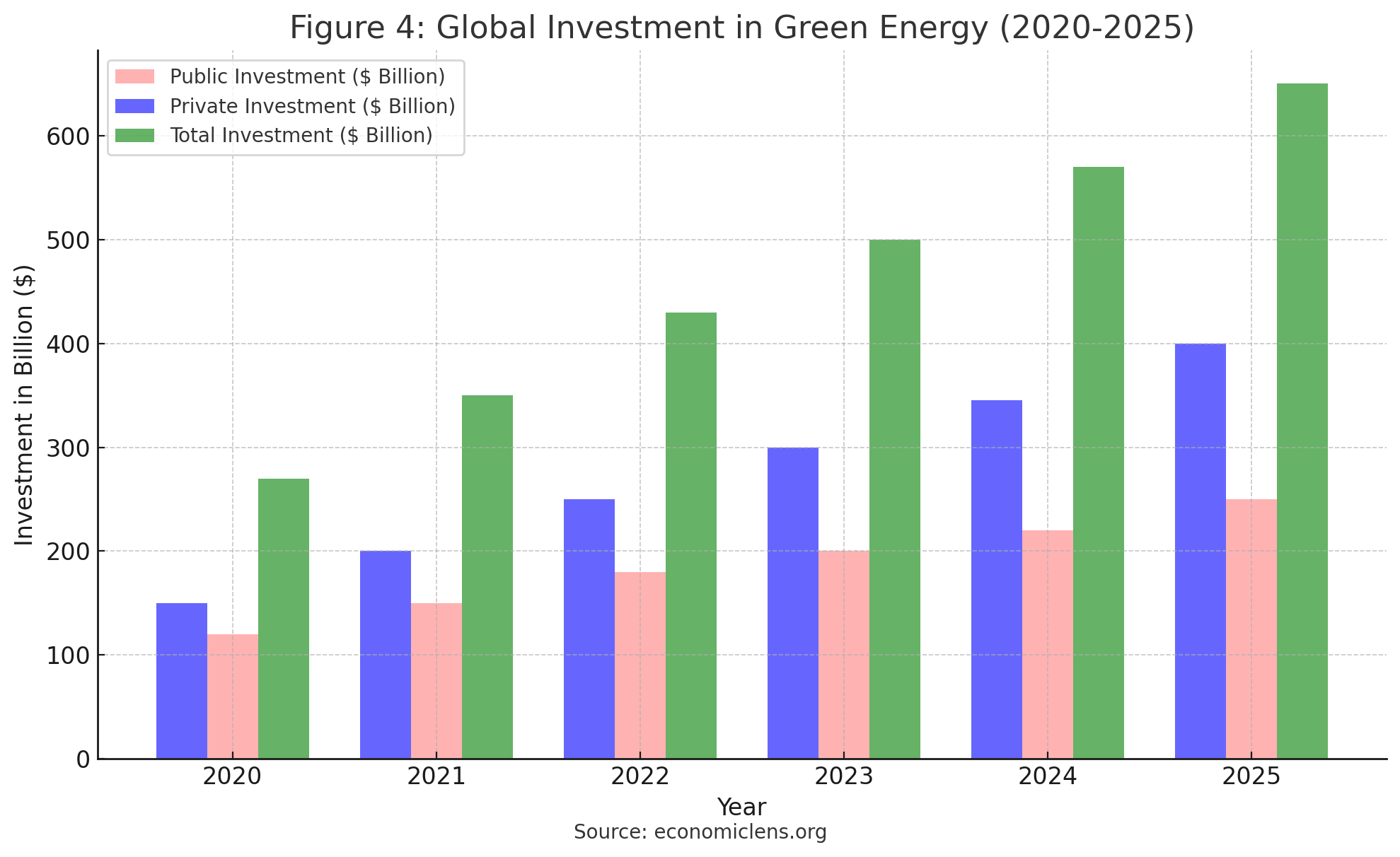
Public and private investments in green energy are growing rapidly. As governments increase their support and businesses invest in green technologies, the affordability of renewable energy will continue to improve, making it the energy of choice for the future.
A recent World Bank report underscores that substantial public and private investments in renewable energy can create jobs, reduce energy costs, and drive long-term growth in both emerging and developed economies.
“The opportunity for change is now. By investing in green energy, we’re not only securing a sustainable future but also creating a thriving global economy.”
5. The Social Impact of Affordable Green Energy
Affordable green energy is not just an environmental or economic issue—it is a social one. With billions of people still lacking access to affordable, clean energy, transitioning to renewable energy can help address energy poverty. Cheaper green energy ensures that all people, regardless of their income or geographic location, have access to clean, reliable power, which is critical for health, education, and economic development.
“When green energy becomes affordable for all, we unlock the potential for healthier, more equitable societies, empowering individuals and communities across the world.”
Conclusion: The Future of Affordable Sustainability
The transition to affordable green energy is not just a dream—it’s a necessity. As green energy becomes more affordable, it will replace fossil fuels, reduce environmental harm, and provide sustainable economic growth for all. The time to act is now. By making green energy accessible and affordable, we can build a future that benefits the planet, economy, and society.
“Affordable green energy is within our reach, and by acting today, we can create a sustainable, clean, and prosperous future for generations to come.”
Call to Action
We all have a role to play in the transition to affordable, sustainable energy. Support policies that prioritize green energy, invest in renewable technologies, and advocate for solutions that make clean energy accessible to everyone. Together, we can create a future powered by affordable green energy, free from the environmental costs of fossil fuels.



2 thoughts on “Why Green Energy Needs to Be Cheaper Than Fossil Fuels: The Future of Affordable Sustainability”
This article brilliantly highlights the economic challenges of transitioning to green energy.
It explains why cost competitiveness is the key to sustainable adoption.
I appreciate how the author connects affordability with long-term policy success.
The comparison with fossil fuels was clear and realistic.
It also raises important questions about global equity in energy access.
The focus on innovation and investment incentives was insightful.
Overall, it’s a balanced and well-researched piece.
A must-read for anyone interested in sustainable economic growth.
یہ آرٹیکل میرے خیال میں بہت مؤثر ہے — مختصراً، ماہرانہ انداز میں یہ واضح کیا گیا ہے کہ کیوں سبز توانائی کو روایتی فوسل ایندھن سے سستی بنانا ناگزیر ہے۔ اس میں معاشی، معاشرتی اور ماحولیاتی زاویے اچھی طرح بیان کیے گئے ہیں، اور ٹیکنالوجی، سرمایہ کاری اور حکومتی پالیسیاں بھی مؤثر طور پر زیر بحث آئیں۔ اگر ایک مشورہ دوں تو یہ ہوگا کہ مقامی طور پر (پاکستان یا جنوبی ایشیا) لاگو ہونے والے چیلنجز پر بھی تھوڑی تفصیل دی جا سکتی تھی، تاکہ یہاں کے قارئین کے لیے مزید “ریلیوینٹ” ہو جائے۔ کل ملا کر، ایک معلوماتی اور وقت کی مناسبت سے فکر انگیز مضمون ہے۔