
Cyber and digital fragility is reshaping the global economy as rising cyber threats, digital dependencies, and system vulnerabilities expose critical infrastructure, financial networks, and industries to unprecedented risks. This analysis explores how digital instability is driving economic losses, geopolitical tensions, and the urgent need for stronger cyber resilience
Introduction
In today’s hyper-connected world, cyber and digital fragility has become one of the most urgent threats confronting global stability. As economies digitize and critical systems migrate online, every sector—from finance to energy—faces new vulnerabilities. This rising cyber and digital fragility is the result of accelerating digital adoption, inadequate safeguards, expanding attack surfaces, and geopolitical tensions. Moreover, the global economy is now so deeply interconnected that even a minor digital disruption can trigger cascading failures. Understanding cyber and digital fragility is therefore essential for governments, industries, and individuals aiming to navigate an increasingly exposed digital age.
1. Why Cyber and Digital Fragility Is Intensifying Worldwide
The rapid expansion of cloud infrastructure, IoT devices, and AI-driven operations has significantly amplified global vulnerabilities. Consequently, systems designed for efficiency are now prone to exploitation, creating fragile digital ecosystems. Furthermore, geopolitical tensions and cyberwarfare tools have expanded attack vectors, turning the digital world into a battleground. This growing cyber and digital fragility reflects a global system evolving faster than its ability to defend itself.
The World Economic Forum warns that “digital fragility has reached a critical threshold,” with 78% of organizations reporting major cyber disruptions in the past year. Similarly, IBM’s 2025 Cyber Threat Index shows ransomware attacks rising by 38%.
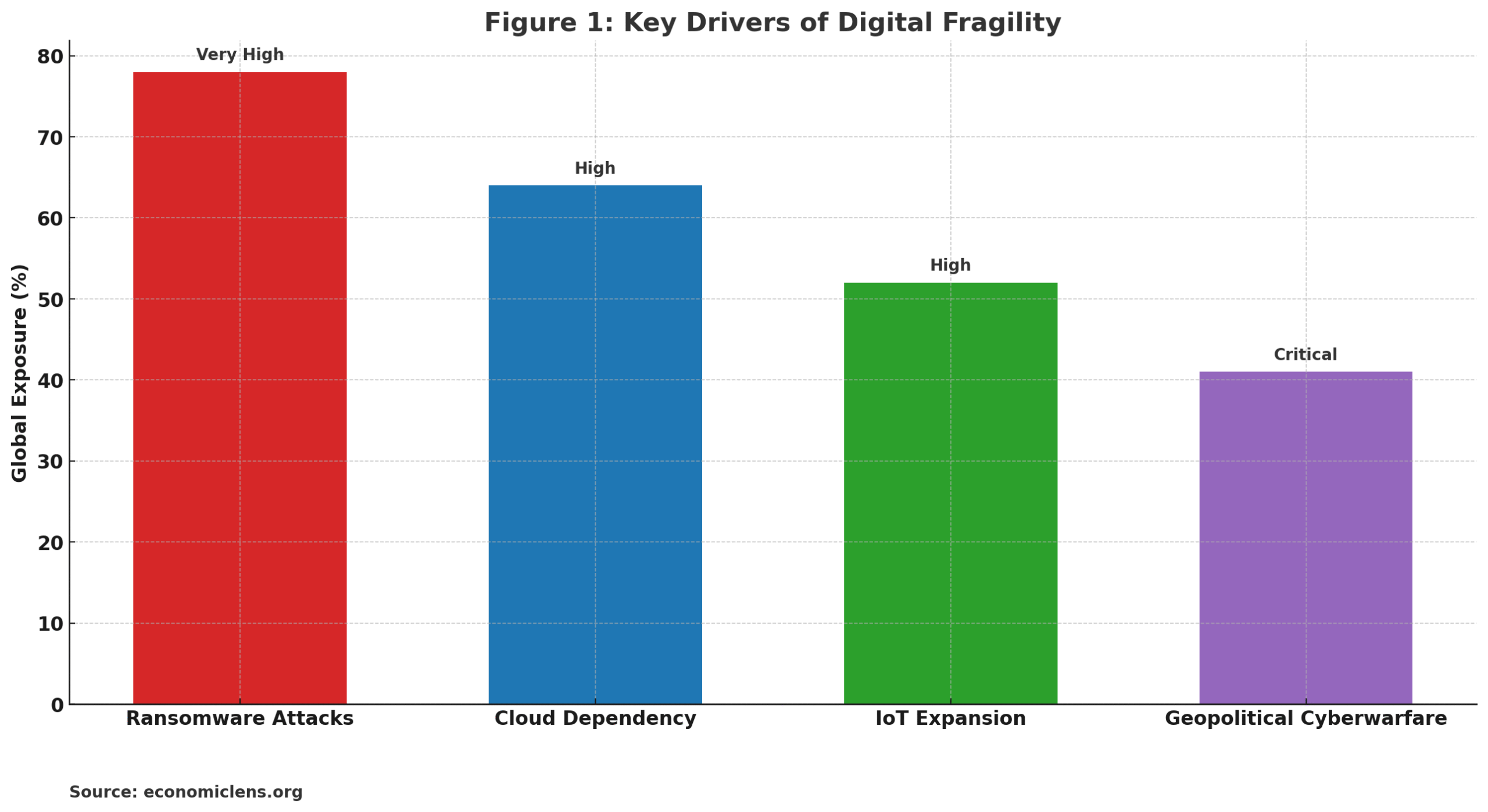
These metrics show that digital fragility is driven by overlapping pressures—not only from technology but also from global political competition and interconnected supply chains.
“In a world powered by code, even a single weakness can ignite global shockwaves. Strengthening digital foundations is no longer optional—it’s survival.”
2. Economic Consequences: The High Cost of Digital Instability
Cyber risk has evolved into a macroeconomic threat. Digital disruptions now impact GDP, trade, investment flows, and national budgets. Moreover, as the global economy becomes increasingly digital, the financial consequences of every breach multiply. Therefore, cyber and digital fragility is reshaping how nations and corporations calculate risk.
According to Allianz, global cyber losses exceeded $3.7 trillion in 2024. The IMF warns that unmanaged digital instability could reduce global GDP by up to 2% by 2030.
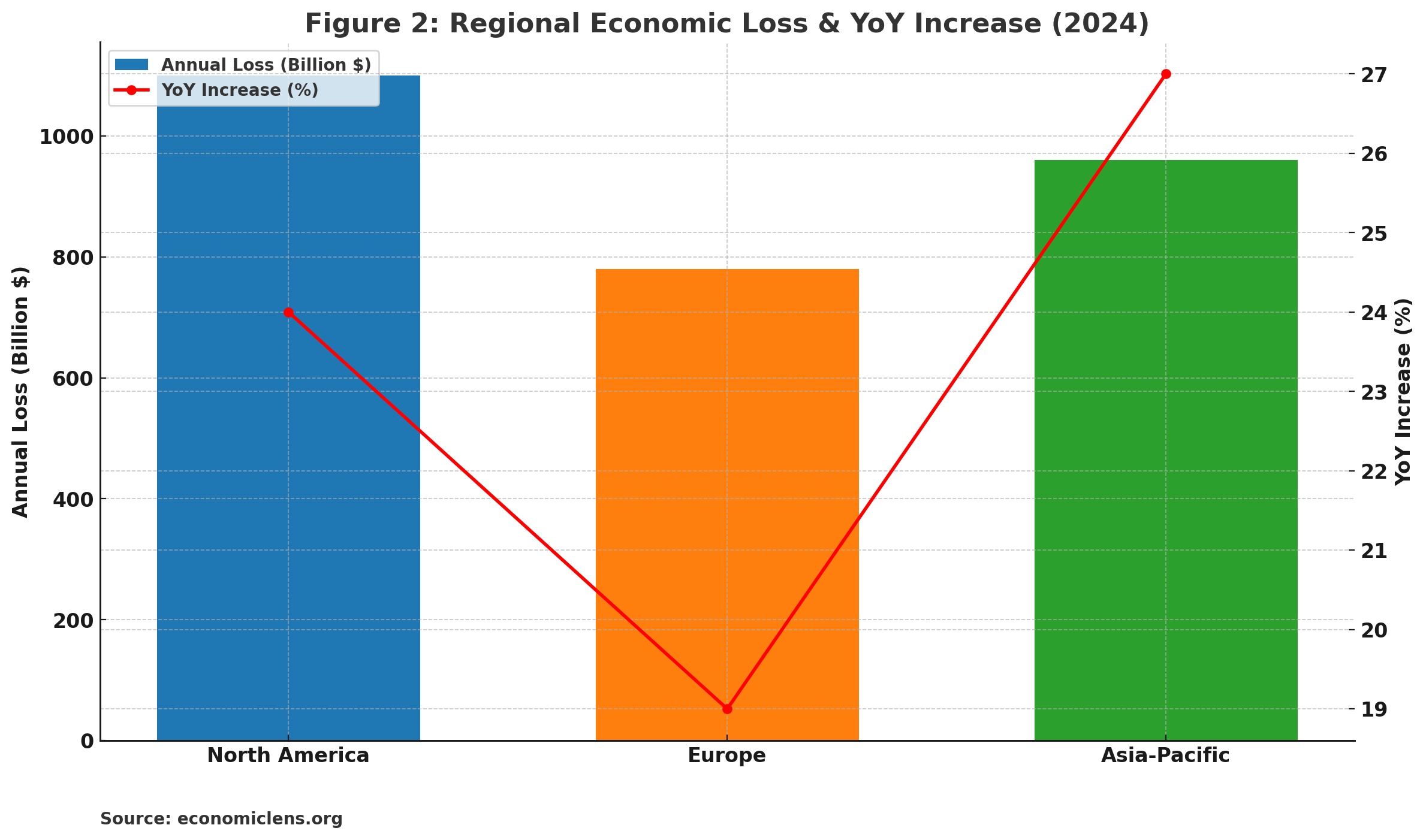
The data highlights that advanced digital economies suffer the greatest financial damage due to their heavy reliance on interconnected systems.
“Cyber incidents don’t just crash servers—they crash economies. The future belongs to nations that invest in resilience, not just technology.”
3. Infrastructure Exposure: The Fragile Backbone of Global Stability
Critical infrastructure—energy, finance, healthcare, aviation, and telecom—is increasingly targeted due to its systemic importance. Because these networks rely on legacy systems blended with modern digital tools, their vulnerability is growing faster than their ability to adapt.
Deloitte reports that 82% of critical infrastructure organizations faced ongoing intrusion attempts, with the energy sector experiencing the greatest rise.
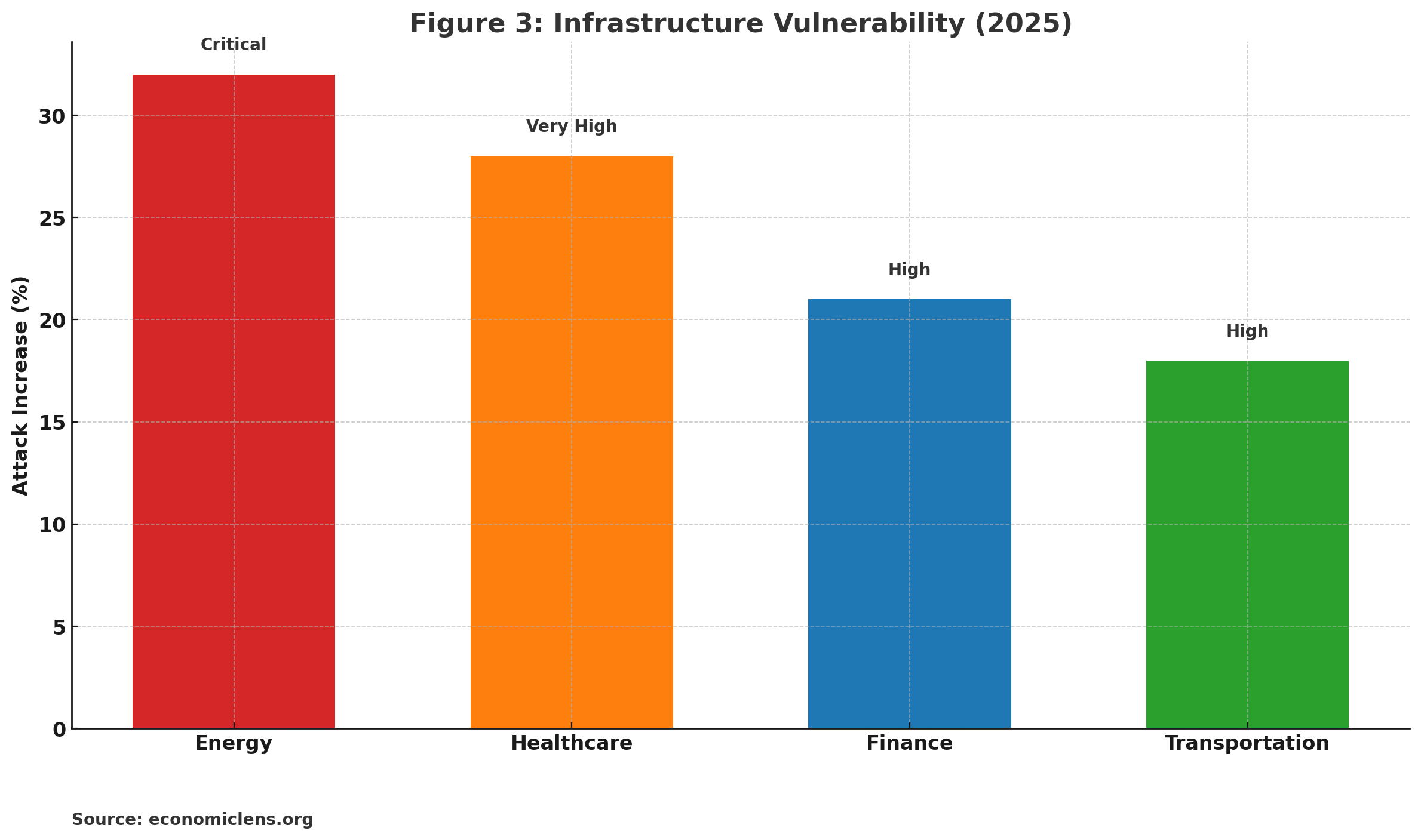
The sectors most essential to human life are also those most exposed to digital threats—highlighting the urgent need for modernization and protection.
“When the systems we depend on every day are fragile, society itself becomes fragile. Protecting infrastructure is protecting civilization.”
4. Organizational Weakness: The Human and Corporate Cost of Fragility
Cyber resilience is not only a technological challenge; it is also an organizational one. Talent shortages, budget constraints, mis-configured systems, and poor cyber hygiene create internal gaps that attackers readily exploit.
PwC found that 59% of consumers avoid companies with poor cyber security reputations, while businesses with low digital trust face three times longer recovery periods after incidents.
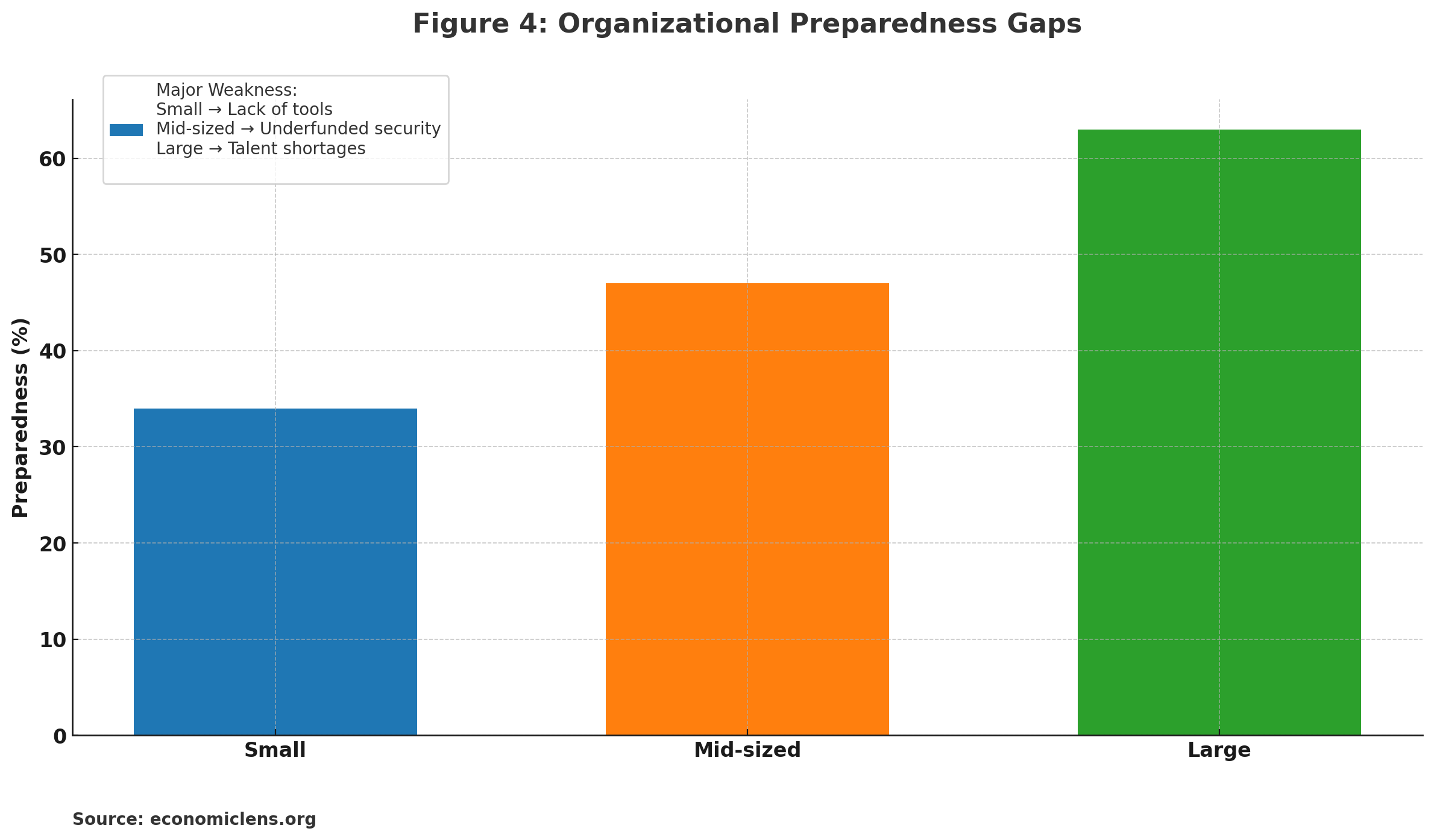
The preparedness gap reveals a structural challenge: digital fragility often begins inside organizations long before attackers strike.
“Cybersecurity isn’t just about systems—it’s about people. Trust, training, and readiness are the true foundations of resilience.”
5. Cyber Geopolitics: The Digital Battlefield Reshaping Power
Nations are entering a new era of cyber confrontation. State-sponsored attacks, digital espionage, and cyber sabotage have become central tools of geopolitical strategy. Consequently, cyber and digital fragility is no longer an internal risk—it is a global conflict zone.
CSIS reports a 70% increase in state-level cyber activity since 2023. Defense budgets for cyber capabilities now exceed $320 billion.
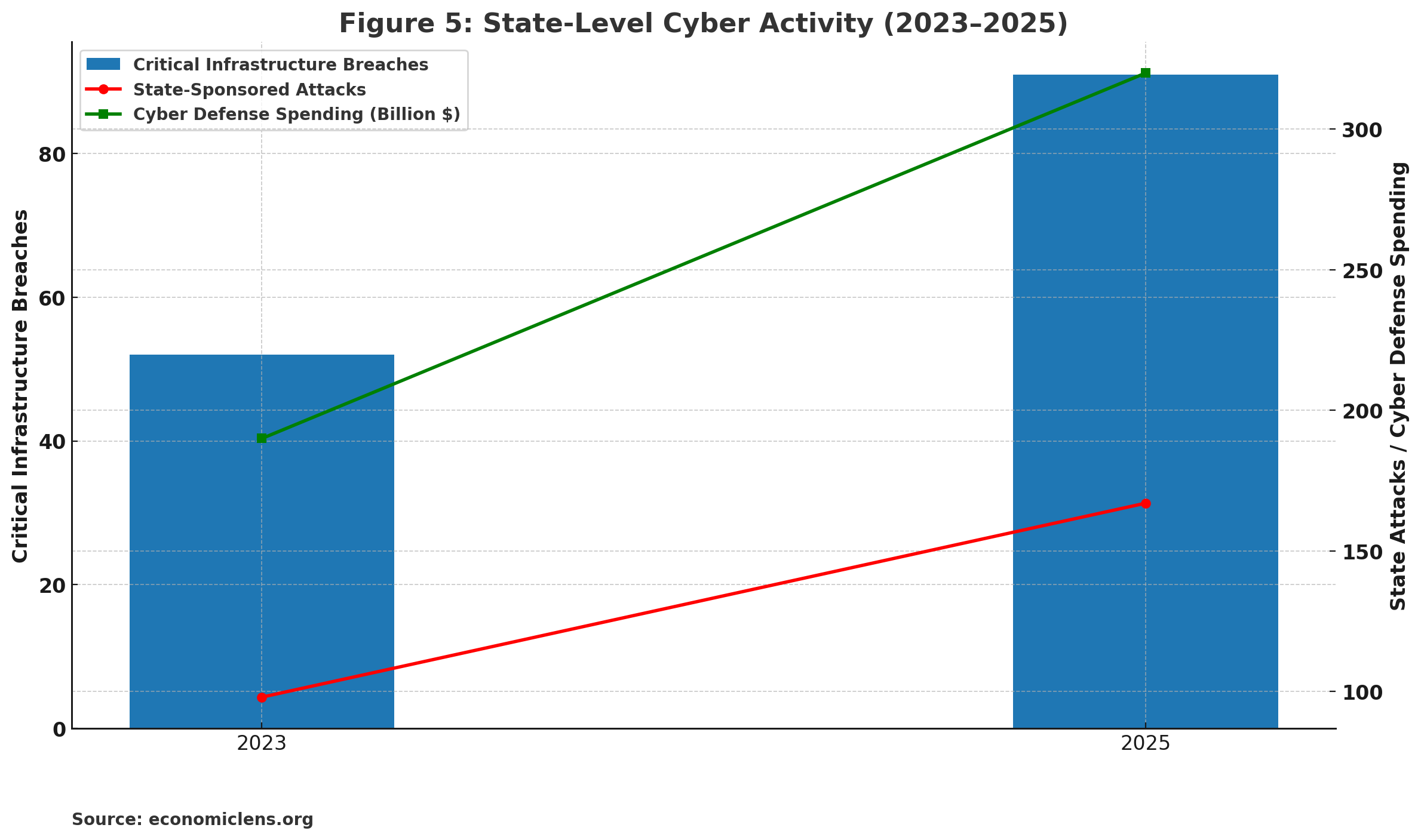
The rise in state-sponsored activity underscores how cyber operations have become instruments of national power.
“The battlefield of the 21st century has no borders—only networks. The nations that master digital strength will shape the future of global power.”
6. Policy Implications: Governing the Age of Digital Fragility
Governments must implement new frameworks to confront rising cyber and digital fragility. These include tighter data laws, resilient infrastructure standards, coordinated intelligence sharing, and AI-enhanced cyber defense.
Brookings warns that without unified global frameworks, digital fragility could escalate into systemic collapse. Policy experts emphasize the need for mandatory resilience audits across critical sectors.
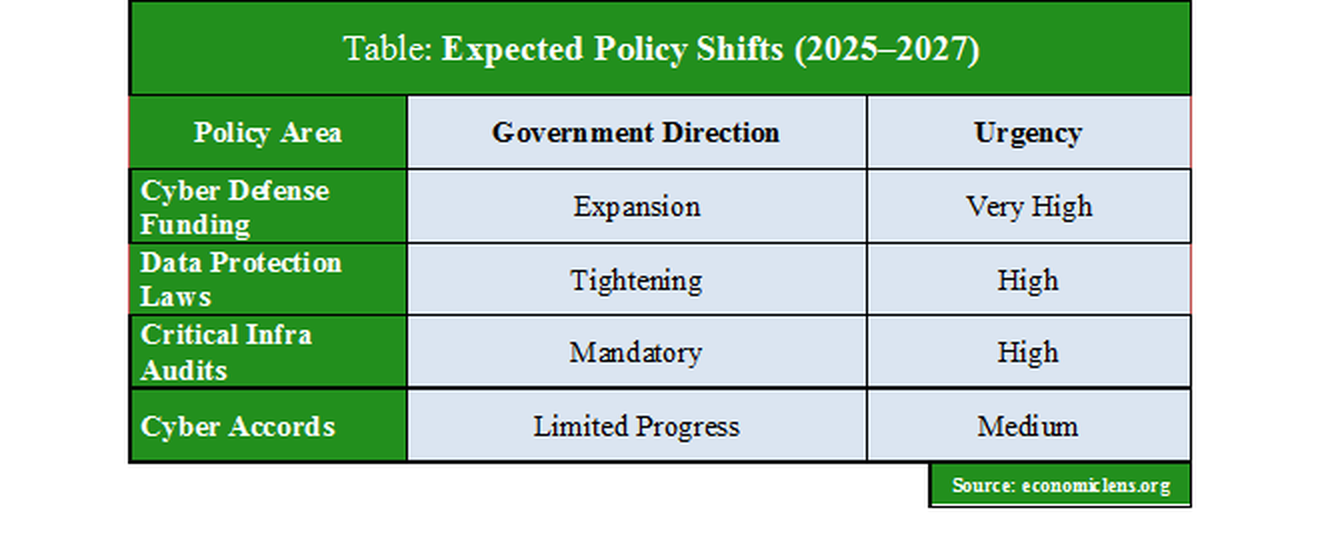
The policy landscape shows increasing urgency, although international cooperation remains the weakest link. Cyber and digital fragility will intensify as AI-driven threats evolve and geopolitical tensions rise. Yet with coordinated governance, resilient infrastructure, and advanced cyber defense, nations can build the digital stability necessary for long-term global security.
“Stronger policies won’t just secure data—they will secure national futures. Governance is the backbone of digital stability.”
Conclusion
The rise of cyber and digital fragility represents a defining challenge of the digital era. To preserve global stability, nations and industries must prioritize resilience, readiness, and responsible digital governance.
“The world isn’t fragile because it is digital, it is fragile because it is unprepared. Resilience must lead the future.”
Call to Action
Strengthen your security posture, support resilient policies, and commit to protecting digital ecosystems. The future of global stability depends on collective action.