
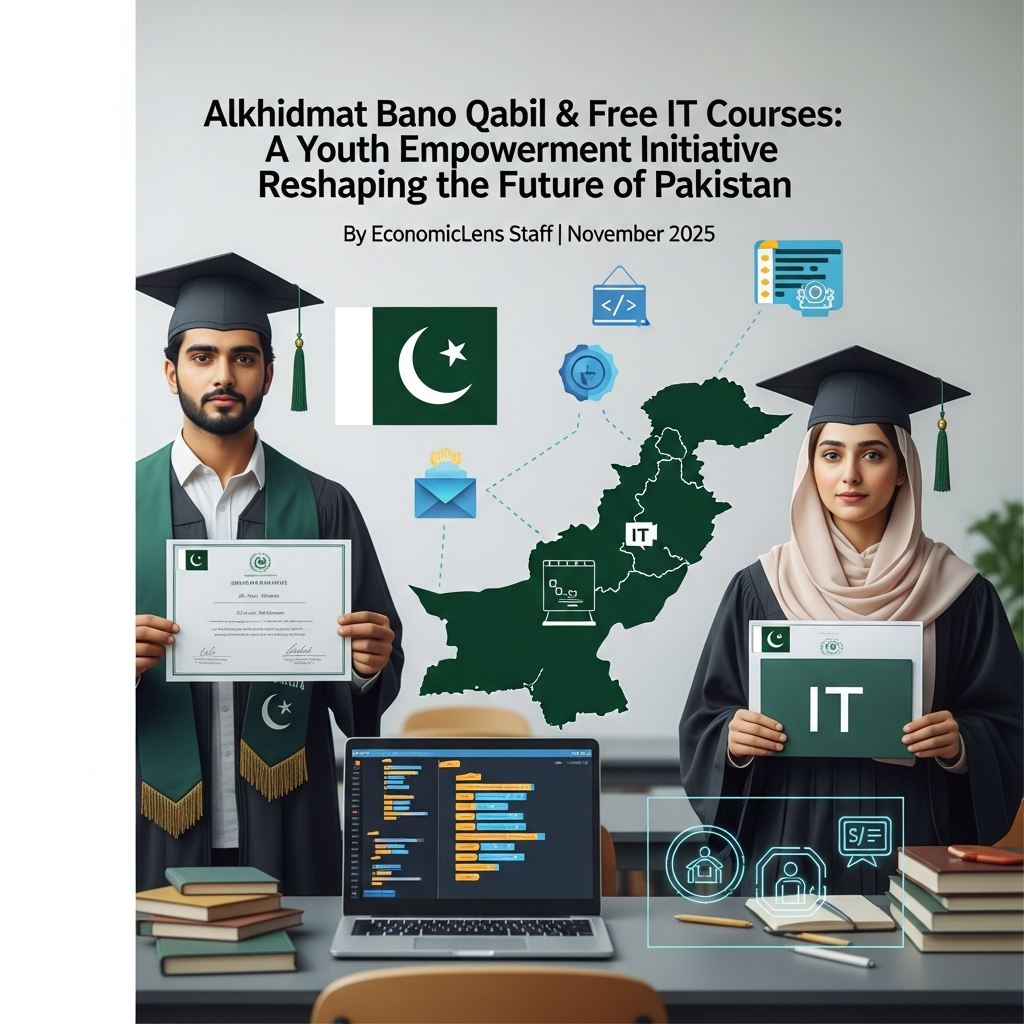
This blog explains how the Alkhidmat Bano Qabil program provides free IT training for Pakistan’s youth. The initiative builds digital skills, global earning capacity, and market-ready expertise. It also highlights state failures and economic pressures. Most importantly, it shows how community-led initiatives can build a skilled, confident, and future-ready generation.
Introduction: Why Pakistan Needs a Digital Skills Revolution Now
Pakistan stands at a critical economic crossroads. Young people face shrinking opportunities, rising unemployment, and a widening gap between education and employability. At the same time, inflation is soaring, and public institutions are underperforming. As a result, millions of young people hold academic qualifications that do not translate into jobs, while the economy cannot absorb them. The literacy rate also remains stagnant, and access to modern skill development is limited. This gap is especially severe for low- and middle-income families.
Political instability continues to grow, while many young people drift toward rallies, agitation, or passive frustration because productive alternatives are scarce. In this context, the nation urgently requires accessible, practical, and future-oriented digital skills training. Therefore, the Alkhidmat Bano Qabil program provides a clear pathway through free and inclusive access to the global digital economy. It helps young people regain hope during deep economic uncertainty.
“Bano Qabil offers more than training; it provides direction during a time of economic struggle. It equips youth with skills and confidence to move forward.”
Why Pakistan Needs the Alkhidmat Bano Qabil Program Today
Pakistan’s youth population is one of its greatest assets, yet it remains underutilized because education systems are weak and skills access is limited. Structured pathways to employment are also missing. Meanwhile, economic pressures have intensified, and many families cannot afford private training. Public technical institutes remain outdated and overcrowded. As a result, frustration among young people is rising, and many turn toward unproductive or politically charged activities as an outlet for their energy.
A national skills crisis is therefore unfolding, marked by high unemployment despite millions of educated youth entering the job market each year. In this environment, free and high-quality IT training becomes essential for stabilizing society and unlocking economic potential. This broader national scaling logic is explored in EconomicLens’ analysis of the Generation Z Connect Program
(https://economiclens.org/generation-z-connect-program-digital-skills-vocational-training-future-growth/),
which examines how digital skills, vocational training, and structured career pathways expand youth inclusion and employability across Pakistan. Consequently, the Alkhidmat Bano Qabil program fills this void by offering accessible digital education at a scale Pakistan urgently needs.
The UNDP Pakistan Human Development Review 2023 identifies youth unemployment and skill deprivation as structural threats to national stability. Likewise, the United Nations Development Programme
(https://www.undp.org/pakistan/publications/pakistan-human-development-report-2023)
reports that community-led digital training centers play a crucial role where public institutions underperform. They do so by expanding access to market-relevant skills and employment pathways. Similarly, the PIDE Labour Market Dynamics Report 2024 emphasizes that non-profit skill initiatives are more effective than state-run centers in urban and low-income areas. Together, these findings validate the national importance of programs like Alkhidmat Bano Qabil.
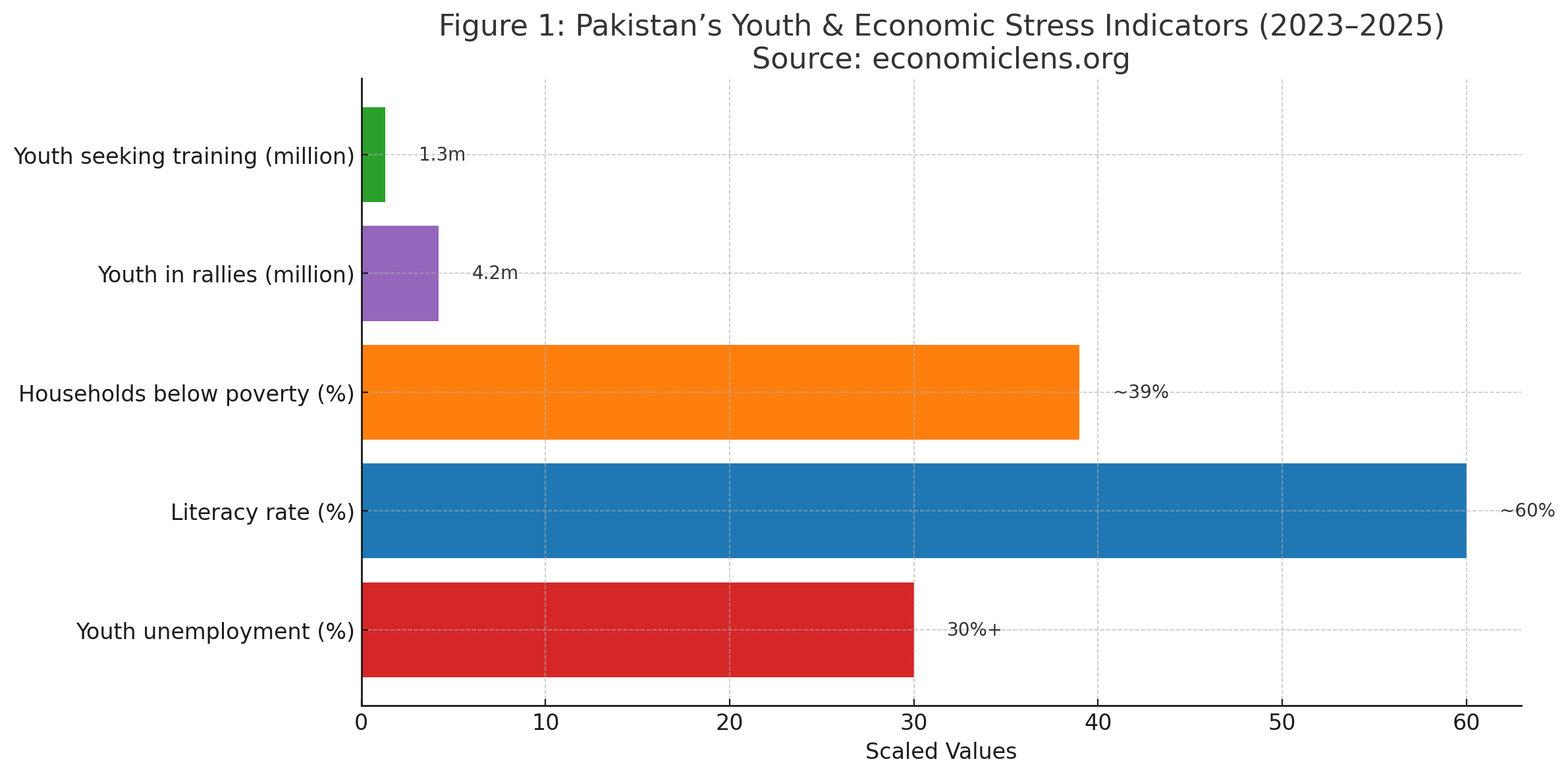
Alkhidmat Bano Qabil Program: Pakistan’ Youth & Economic Stress IndicatorsThe data reveals a nation under immense strain, where youth unemployment, frustration, and limited access to training threaten long-term stability. Free IT education offers a practical, scalable solution to redirect energy toward productive growth.
“Bano Qabil provides market-ready skills at zero cost. It replaces uncertainty with opportunity for young people.”
State Failure to Equip Youth: Why Civil Society Must Step In
Youth empowerment and skill building are fundamental responsibilities of the state. However, Pakistan’s federal and provincial governments have consistently failed to deliver modern and meaningful training programs. Election cycles repeatedly bring promises of digital academies, job creation schemes, and skill-development initiatives. Yet most of these plans remain unfulfilled or poorly executed. Meanwhile, public technical institutes suffer from outdated curricula and limited capacity, while bureaucratic inefficiencies continue to hinder innovation.
As a result, millions of young Pakistanis enter adulthood without the skills required to participate in the modern economy. This widespread institutional failure has therefore created a vacuum. Civil-society organizations, community networks, and philanthropic initiatives are increasingly forced to fill this gap. In this context, programs like the Alkhidmat Bano Qabil program represent a community-driven attempt to address national challenges the state has been unable to resolve.
The PIDE State Capacity Report 2023 states that public skill development programs reach less than five percent of youth needing training. Similarly, the World Bank
(https://www.worldbank.org/en/country/pakistan/publication/pakistan-public-expenditure-review-education)
finds that provincial IT curricula and public education systems lag global digital standards by nearly a decade. Together, these findings reinforce why community initiatives are essential rather than optional.
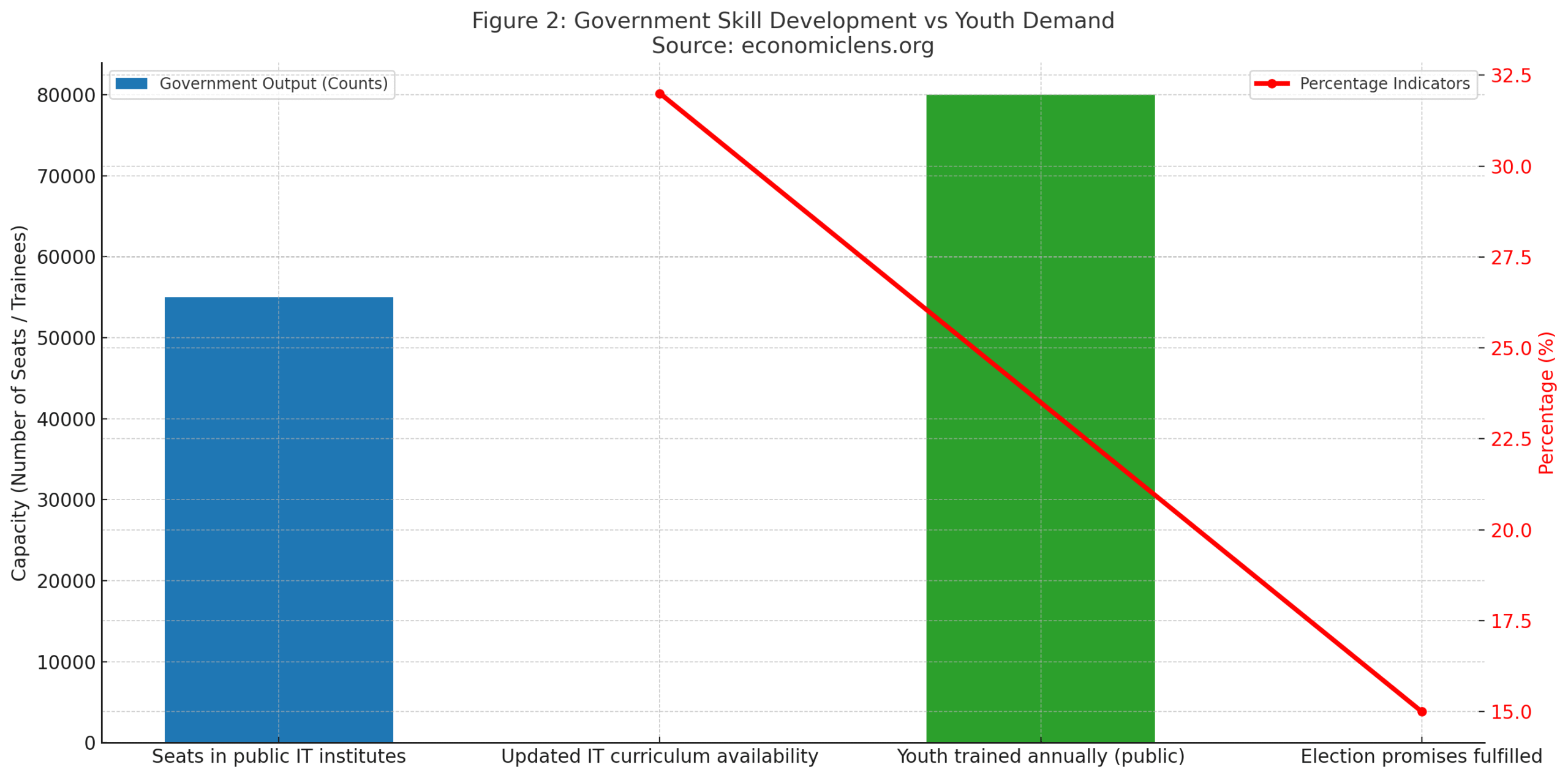
Pakistan’s public skill ecosystem can serve only a fraction of the youth who need training. This gap leaves millions behind, making community-led IT programs like Bano Qabil vital for national stability and long-term development.
“The state may have failed to equip the next generation, but society has not. Bano Qabil proves that united communities can create opportunity and restore hope.”
1. Hafiz Naeem’s Vision & the Bano Qabil Program
The Hafiz Naeem youth empowerment initiative recognizes that Pakistan’s youth need more than rhetoric. They need real, market-aligned skills that open doors to employment and entrepreneurship. In a country where political instability often overshadows development planning, Hafiz Naeem’s vision emphasizes capability building as a foundation for long-term national progress. His support for free IT courses reflects a strategic understanding of global economic realities. Without digital skills, Pakistan’s youth risk being permanently left behind. By championing accessible and community-driven education, he has helped build a platform where young people can learn, earn, and redefine their futures.
According to UNICEF’s South Asia Digital Learning Report 2024, community-based IT programs effectively bridge skill gaps where public institutions fail. UNICEF (https://www.unicef.org/rosa/education/digital-learning)
highlights that locally driven digital learning initiatives improve employability and reduce youth frustration. They also expand access to future-ready skills across South Asia. Additionally, PIDE’s Youth Productivity Brief 2024 stresses that civil-society-led skill initiatives reduce unemployment and build economic resilience. As a result, these findings align directly with Hafiz Naeem’s youth empowerment vision.
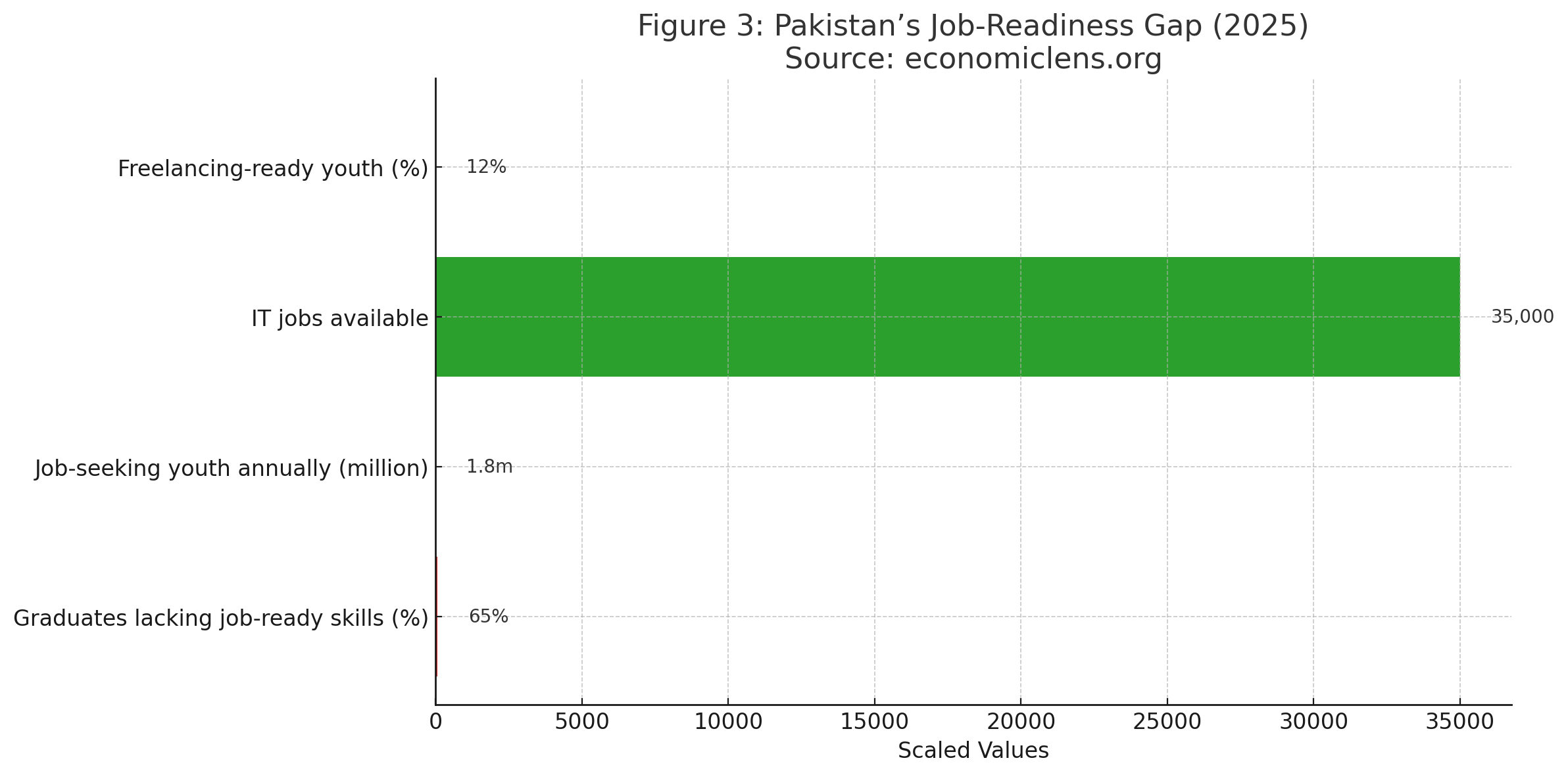
Pakistan faces a widening gap between education and employability, as universities fail to provide practical skills. Bano Qabil helps close this gap by offering training that matches real market needs and global digital trends.
“When youth gain real skills instead of empty promises, they gain power. That power helps them shape their future and support their families.”
2. Inside the Bano Qabil Program: Free IT Courses That Transform Lives
The Alkhidmat digital education program represents one of Pakistan’s most accessible and impactful IT learning platforms. It is designed to bridge the digital divide for youth from all socioeconomic backgrounds. By offering professional-level courses entirely free of cost, the program makes high-value skills widely accessible. These skills include web development, graphic design, digital marketing, and freelancing. As a result, students who could never afford private training gain real opportunities. The program’s model emphasizes practical and job-focused learning. Industry-aligned instructors guide students based on real market needs. By operating across multiple cities and expanding each year, the program brings global opportunities closer to youth who once saw the digital economy as unreachable.
The ITU Digital Inclusion Report 2023 highlights that non-profit digital learning centers are among the most effective tools for reducing youth unemployment in lower-income regions. The International Telecommunication Union (https://www.itu.int/itu-d/sites/digital-inclusion/) reports that community-based digital training initiatives significantly improve access to skills and increase participation. They also lower employment barriers for young people in underserved economies. Similarly, UNESCO’s Youth Skills Framework 2023 notes that free and community-based IT programs achieve high completion rates and strong learner engagement. This success occurs because financial and institutional barriers are removed.
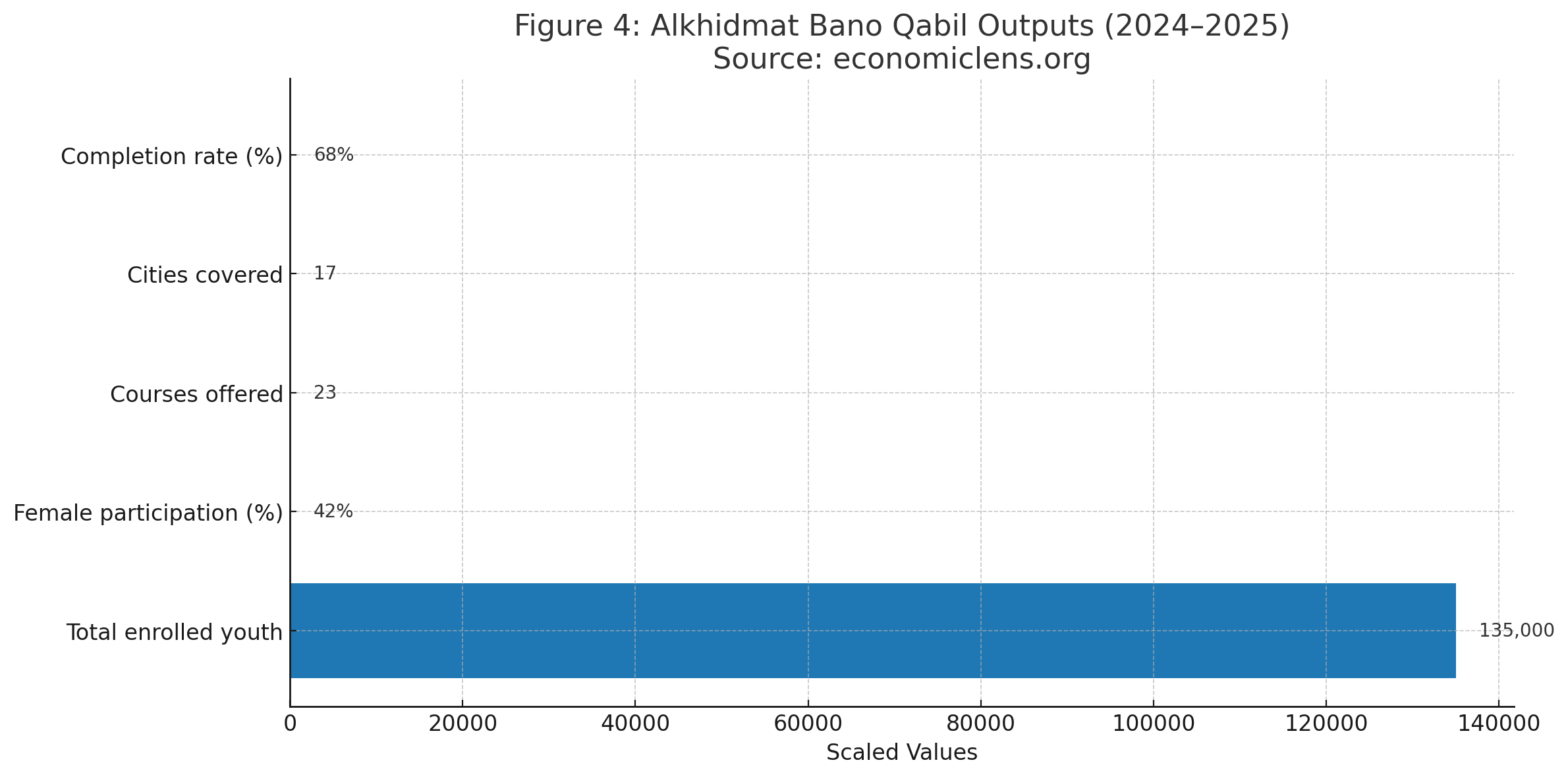
Alkhidmat Bano Qabil Program: Alkhidmat Bano Qabil OutputsStrong enrollment and impressive completion rates demonstrate that when training is accessible, relevant, and free, youth respond with motivation and commitment—turning learning into opportunity and opportunity into transformation.
“Bano Qabil removes financial barriers and expands access to digital skills. It helps youth build confidence and create lasting change.”
3. Pakistan Youth Digital Skills: Matching Training With Global Demand
The global digital economy is expanding rapidly and creating strong demand for skilled professionals. These roles include web development, marketing, design, AI, cloud computing, and data analysis. Pakistan has enormous potential to meet this demand because of its young population. However, the country cannot benefit unless youth acquire the right skills. The Alkhidmat Bano Qabil program is structured around emerging global trends. As a result, the skills taught remain relevant, competitive, and aligned with real market needs. By equipping students with training linked to freelance, remote, and international job markets, the program enables youth to compete globally. This approach also reduces dependence on local employment and economic stagnation.
The World Bank Digital Jobs Report 2024 emphasizes that community-driven IT training accelerates youth entry into the global freelance ecosystem. The World Bank (https://www.worldbank.org/en/topic/jobsanddevelopment/publication/digital-jobs-for-youth)
reports that locally delivered digital skills programs lower entry barriers to online work and expand access to global freelance markets. They also strengthen participation in international digital value chains. Furthermore, the UNDP Digital Readiness Study 2023 asserts that free IT programs enhance a nation’s ability to join global digital supply chains. This impact is especially strong where public institutions struggle to keep pace with technological change.
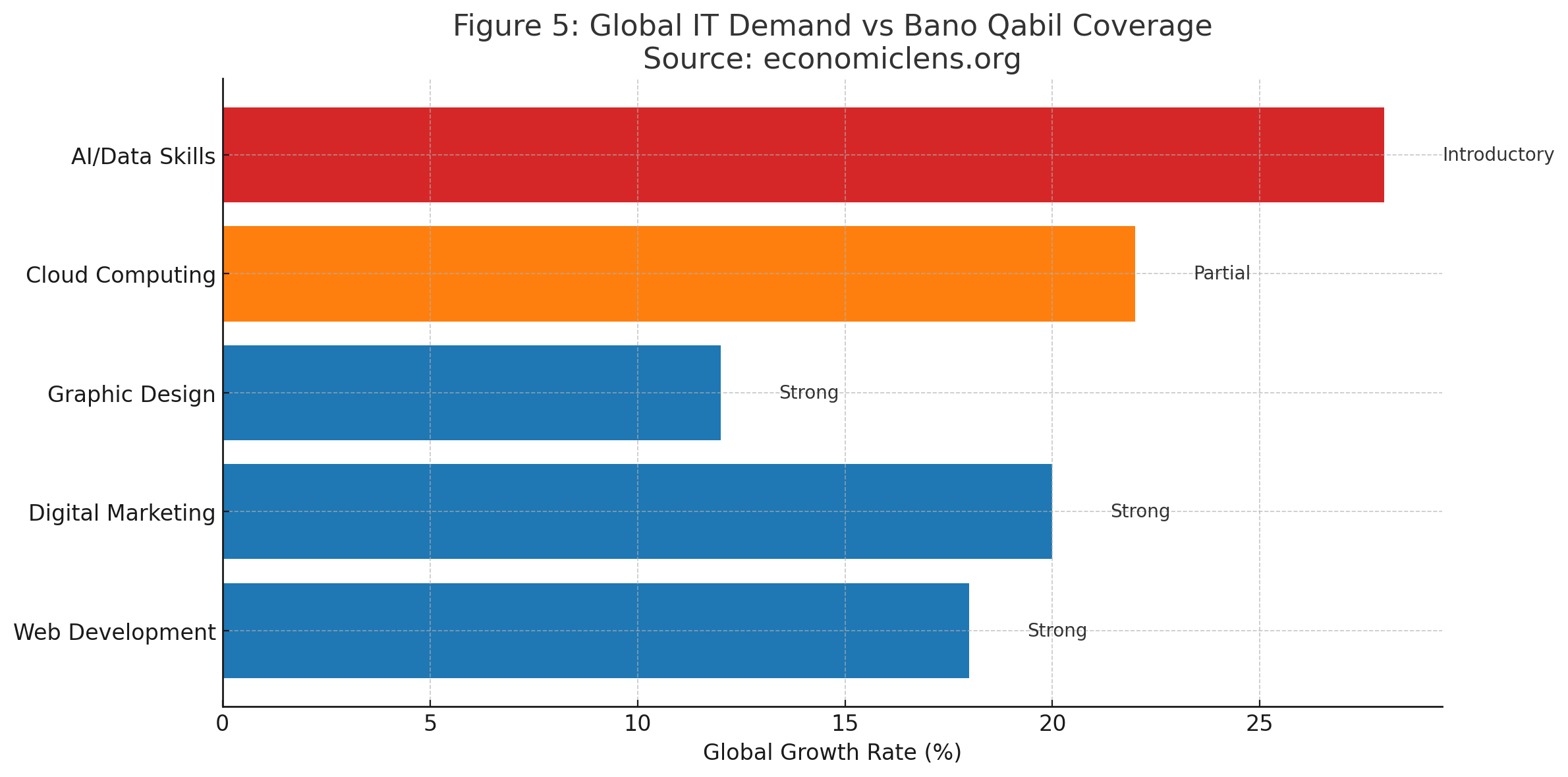
Bano Qabil aligns its curriculum with high-demand global roles, preparing youth for freelance and remote careers while gradually integrating advanced fields like AI, data analysis, and cloud technologies.
“When young people master globally demanded skills, they unlock global earning potential. These skills turn laptops into livelihoods.”
4. Youth IT Empowerment in Pakistan: Economic Impact & National Growth
Digital skills do more than create individual employment. They stimulate national economic growth, increase exports, stabilize households, and diversify income sources across communities. Pakistan’s traditional job sectors cannot absorb the millions of youth entering the job market each year. Therefore, digital employment has become an essential alternative. Freelancing, remote jobs, and IT exports offer new income pathways that are less vulnerable to local economic fluctuations. In this context, the Alkhidmat Bano Qabil program plays a pivotal role. It equips youth with skills that generate immediate earning potential in both local and international markets. As more young people enter the digital workforce, Pakistan’s economy gains resilience and long-term growth capacity.
The State Bank IT Export Review 2024 finds that Pakistan’s IT sector could reach 20 billion dollars by expanding grassroots skill development across major cities. The State Bank of Pakistan (https://www.sbp.org.pk/reports/annual/arFY24/) notes that sustained IT export growth depends on widening the digital skills base and supporting freelancers. It also requires stronger city-level training ecosystems. Similarly, PIDE’s Productivity Review 2024 highlights that freelancers now form a major share of Pakistan’s foreign income stream. These trends show how digital empowerment strengthens economic stability and diversification.
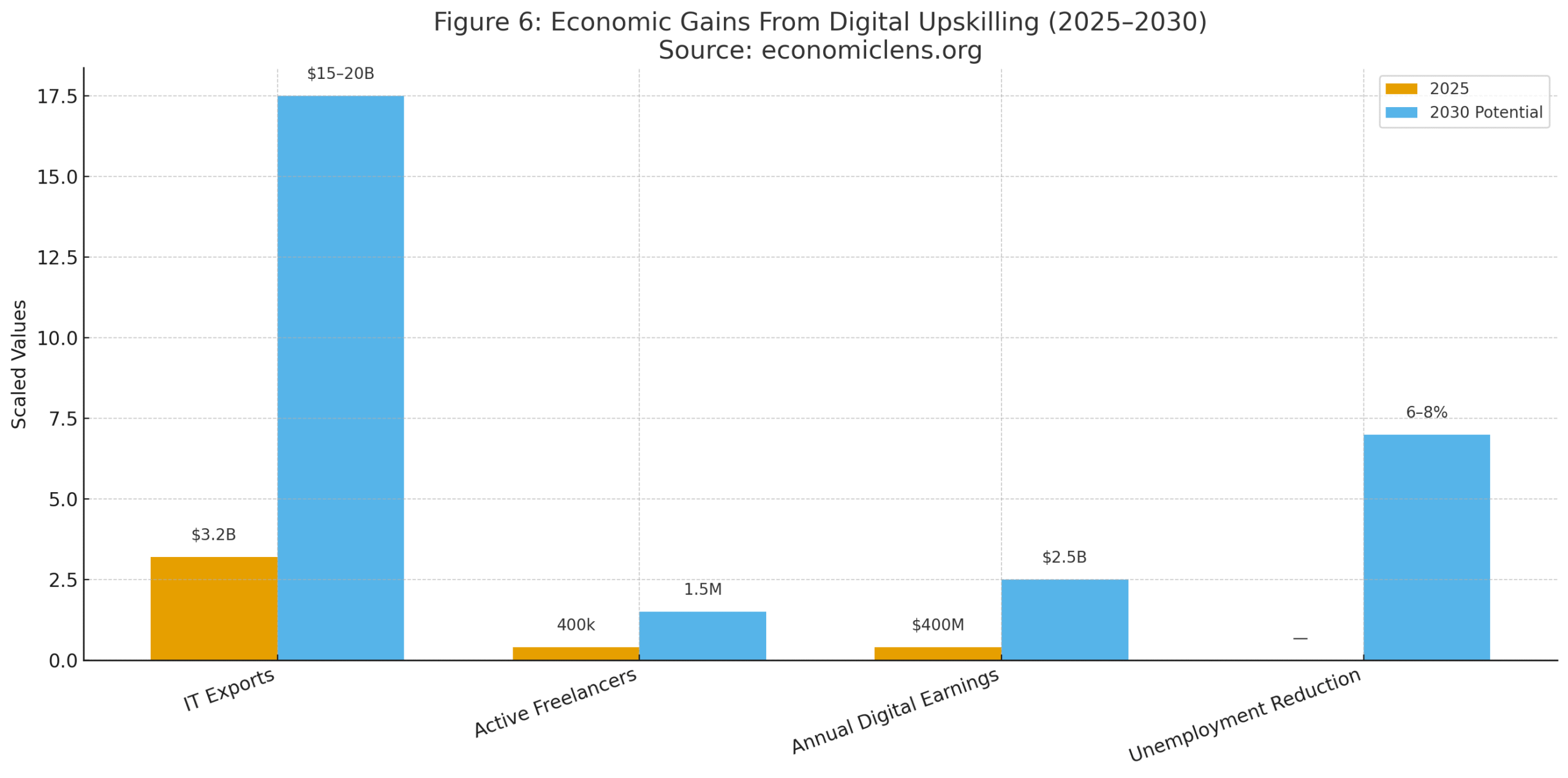
By expanding digital skills across communities, Pakistan can boost exports, increase household income, and reduce unemployment—making IT training a cornerstone of economic revival and national resilience.
“Digital empowerment transforms lives and economies alike. It helps skilled youth drive growth, strengthen families, and expand exports.”
A Tribute to the Supporters and Financers Behind Bano Qabil
The success of the Bano Qabil IT training supporters rests on the generosity of donors who believe in empowering youth through education rather than temporary charity. Business owners, overseas Pakistanis, philanthropists, and young professionals contribute to funding free IT courses that uplift thousands of students. Their support ensures classrooms are equipped, instructors are hired, and digital materials are provided at no cost to learners.
The UNDP Civic Participation and Social Capital Report 2023 finds that community-funded education programs generate measurable long-term socio-economic impact. In many cases, they surpass government programs in efficiency and reach. The United Nations Development Programme
(https://www.undp.org/publications/social-capital-and-civic-engagement) notes that donor-supported, community-led education initiatives are particularly effective where state capacity is weak, making sustained community support invaluable for inclusive development.
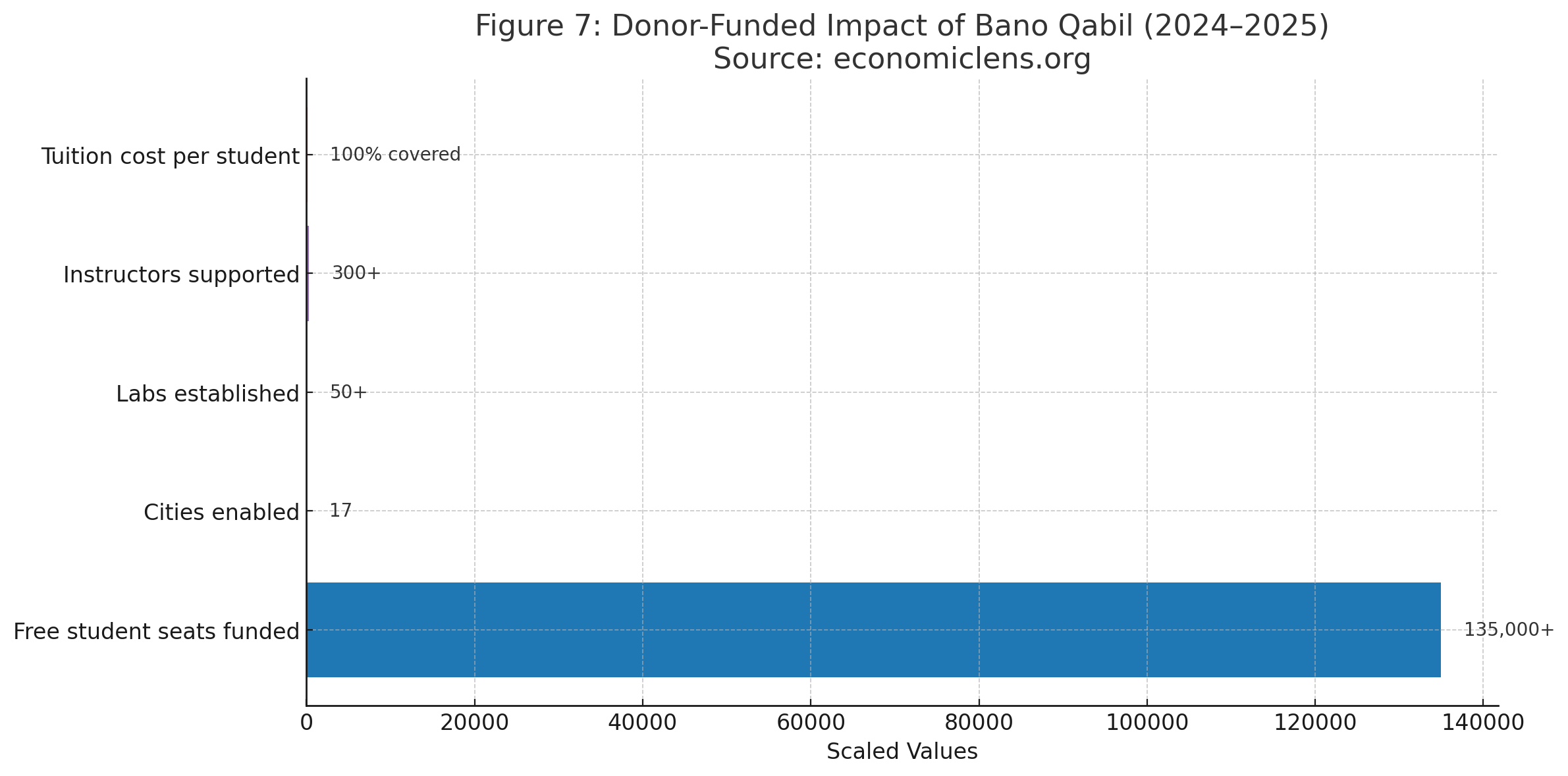
Donor contributions make it possible for thousands of youth to learn free of cost. Their support transforms training centers into engines of opportunity that uplift communities and strengthen Pakistan’s economic foundation.
“Those who invest in youth invest in Pakistan’s future. Their support builds skills, confidence, and opportunity.”
Conclusion
The Alkhidmat Bano Qabil program demonstrates how community-led education can transform a nation struggling with unemployment, poverty, and educational failure. It shows that when society unites to create opportunity, youth can rise above economic limitations and political instability. This initiative fills the gaps left by the state and sets a model for sustainable skill development. As a result, it empowers individuals while strengthening the national economy. By equipping youth with future-ready skills, the program provides hope, stability, and direction at a time when Pakistan needs them most. As digital transformation accelerates globally, initiatives like Bano Qabil become essential building blocks for a more prosperous and competitive Pakistan.
“Bano Qabil is more than a program; it is a promise of a brighter future for Pakistan’s youth.”
Call to Action / Lesson for All
Pakistan’s future depends on the strength, skills, and resilience of its youth. Government alone cannot meet the enormous training needs of millions entering the workforce each year. Therefore, community-led programs are essential for national progress. Families, institutions, philanthropists, and organizations must adopt similar models. They must also invest consistently in digital skill development. By supporting initiatives like Bano Qabil, society can transform frustration into productivity and uncertainty into opportunity. Ultimately, empowering youth is not merely a development strategy. It is a national responsibility and the most effective path to long-term stability, growth, and prosperity.