
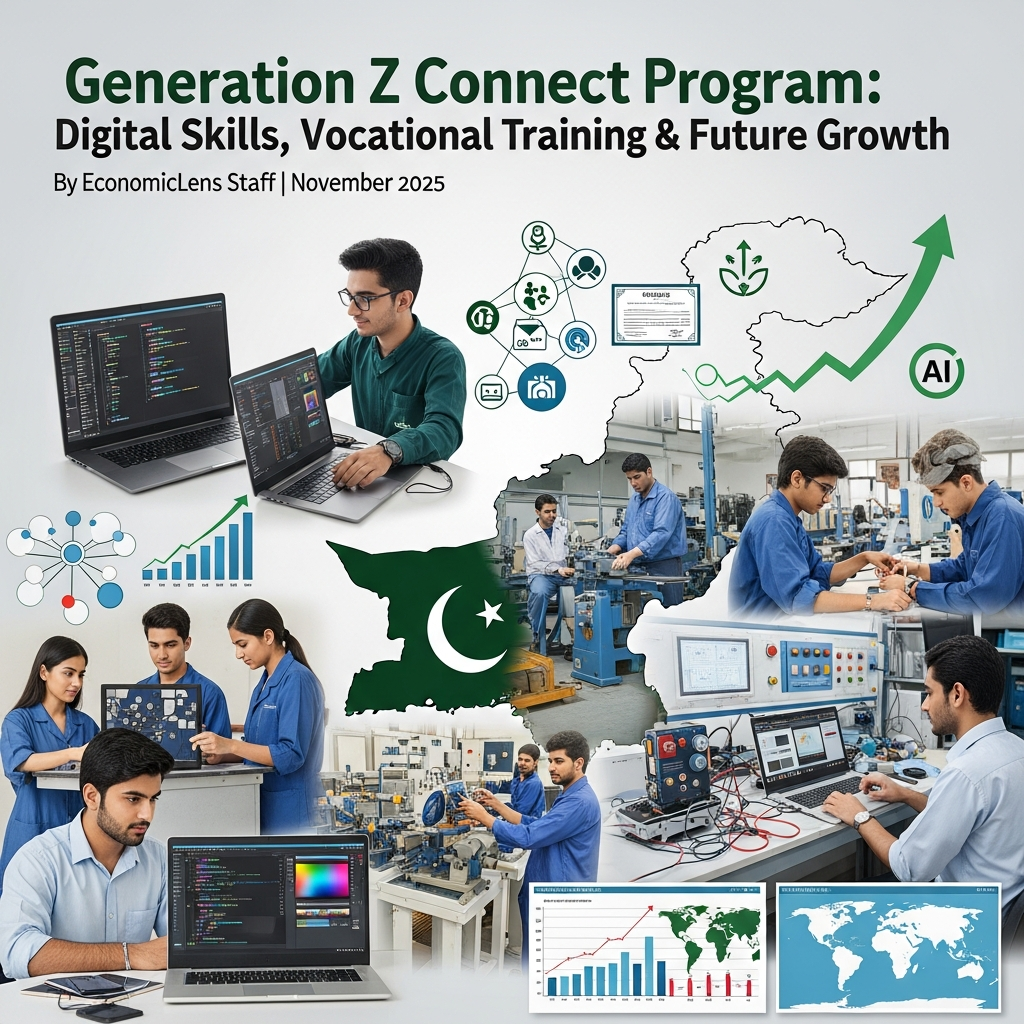
Overall, the Generation Z Connect Program is reshaping youth development through digital skills, innovation pathways and career-focused training. This blog explains how structured learning, entrepreneurship support, mentorship networks and technology access can accelerate youth inclusion, productivity and long-term economic growth across Pakistan.
Introduction to the Generation Z Connect Program
The Generation Z Connect Program launched by Hafiz Naeem Ur Rehman at the 2025 Ijtima Aam marks a major national shift toward youth empowerment and digital inclusion. The initiative aims to bridge Pakistan’s widening skills gap by equipping students and young professionals with digital tools, technology training and future-ready career pathways.
As a result, the program has become a strategic response to evolving labor markets, rising unemployment pressures and the growing demand for tech-enabled skills worldwide. This blog examines the program’s economic relevance, skill development model, digital transformation impact and long-term pathways for Pakistan’s future workforce.
The Need for the Generation Z Connect Program
The rapid success of the Bano Qabil Free IT Courses program revealed a deeper national challenge. EconomicLens’ analysis of the Alkhidmat Bano Qabil Free IT Courses youth empowerment initiative (https://economiclens.org/alkhidmat-bano-qabil-free-it-courses-a-youth-empowerment-initiative-reshaping-the-future-of-pakistan/) demonstrates how free, structured IT training directly improved employability, freelancing income, and digital confidence among Pakistan’s youth, while also revealing the scalability limits of single-program interventions. Pakistan has millions of digitally disconnected youth who can transform their livelihoods if they receive structured, free and market-aligned training. Bano Qabil trained more than 75,000 young people across major cities, enabling thousands to earn through freelancing, e-commerce and digital services.
However, the overwhelming demand, long waiting lists and the visible rise in youth confidence highlighted a larger national truth. Pakistan’s digital potential is far greater than what a single initiative can absorb. The transformation achieved through Bano Qabil exposed the scale of the national skills gap and demonstrated that youth adoption of technology accelerates once cost, access and mentorship gaps are removed. This evidence created a strategic need for a broader, future-focused and nationally coordinated effort.
It is this gap that triggered the development of the Generation Z Connect Program. The new initiative expands digital inclusion, scales structured learning and integrates civic awareness with employability for millions of young Pakistanis.
1. Why the Generation Z Connect Program Matters for Pakistan’s Future Workforce
Pakistan’s youth population is expanding rapidly, yet the job market is not keeping pace with skill requirements. Consequently, Gen Z faces rising unemployment, limited career mobility and restricted access to digital tools. The Gen Z Connect Program addresses this structural gap by introducing skill-based training aligned with global digital transformation.
Economist Dr. Saad Shafqat argues that Pakistan’s economic growth depends on “whether the next generation becomes digitally competitive”. He states that initiative-based programs can accelerate learning curves and reduce youth vulnerability. The World Bank’s 2025 Human Capital Review shows that 74 percent of Pakistani students lack market-aligned digital skills, while employers report a growing shortage of tech-ready talent.
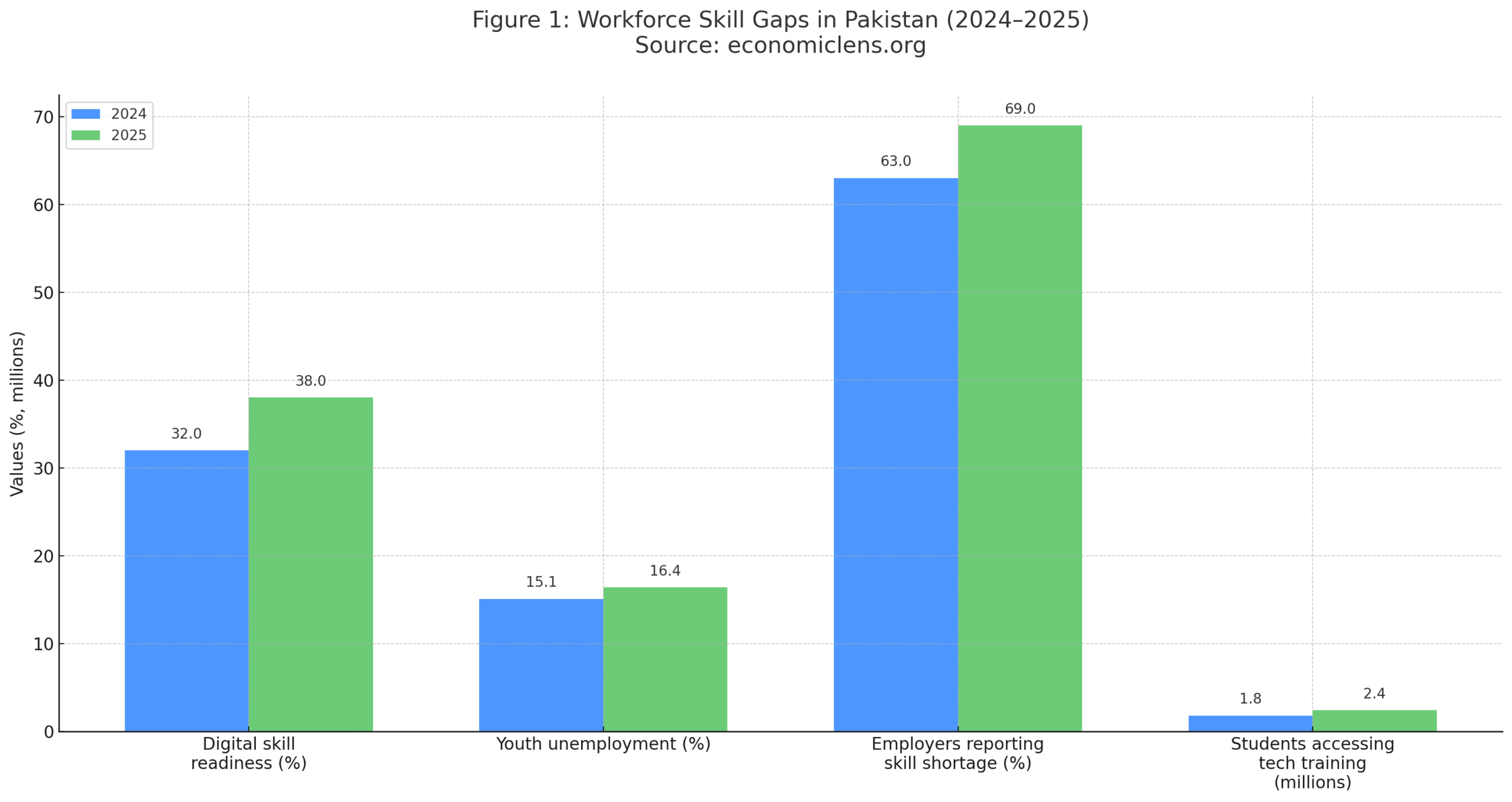
Skill shortages are widening across Pakistan’s youth segment. The gaps shown above reflect rising pressure on the labor market, making tech-based interventions essential.
Pakistan’s Rising Youth Job Mismatch Crisis
A 2025 Labour Market Assessment revealed that nearly half of Pakistani graduates struggle to find jobs because their qualifications are not aligned with industry demand. This mismatch forces many into low-paid or informal roles, widening inequality. The Generation Z Connect Program directly responds to this structural failure by realigning learning with employability.
“A nation’s future strength lies in the skills of its youngest learners.”
2. Digital Skills Training in the Pakistan digital skills initiative
Digital skills now define modern career mobility and economic opportunity. Consequently, the Generation Z Connect Program introduces a comprehensive learning model that combines structured digital training, vocational skills development, freelancing readiness, entrepreneurship support, civic awareness, mentorship and technology access. Through coding, data literacy, cloud tools, creative digital work, technical trades and guided industry linkages, the program aims to close Pakistan’s digital divide, strengthen employability and equip Gen Z with both digital and practical competencies for high-value careers and responsible citizenship.
Tech educator Dr. Bilal Haider notes that “Gen Z learns faster in hybrid environments”, combining short digital lessons with hands-on practice. He highlights that guided mentorship significantly boosts performance.
The UNESCO Digital Education Portal (https://www.unesco.org/en/education/digital-education) provides comprehensive insights on digital learning adoption, youth skill development, and widening disparities in technology access.
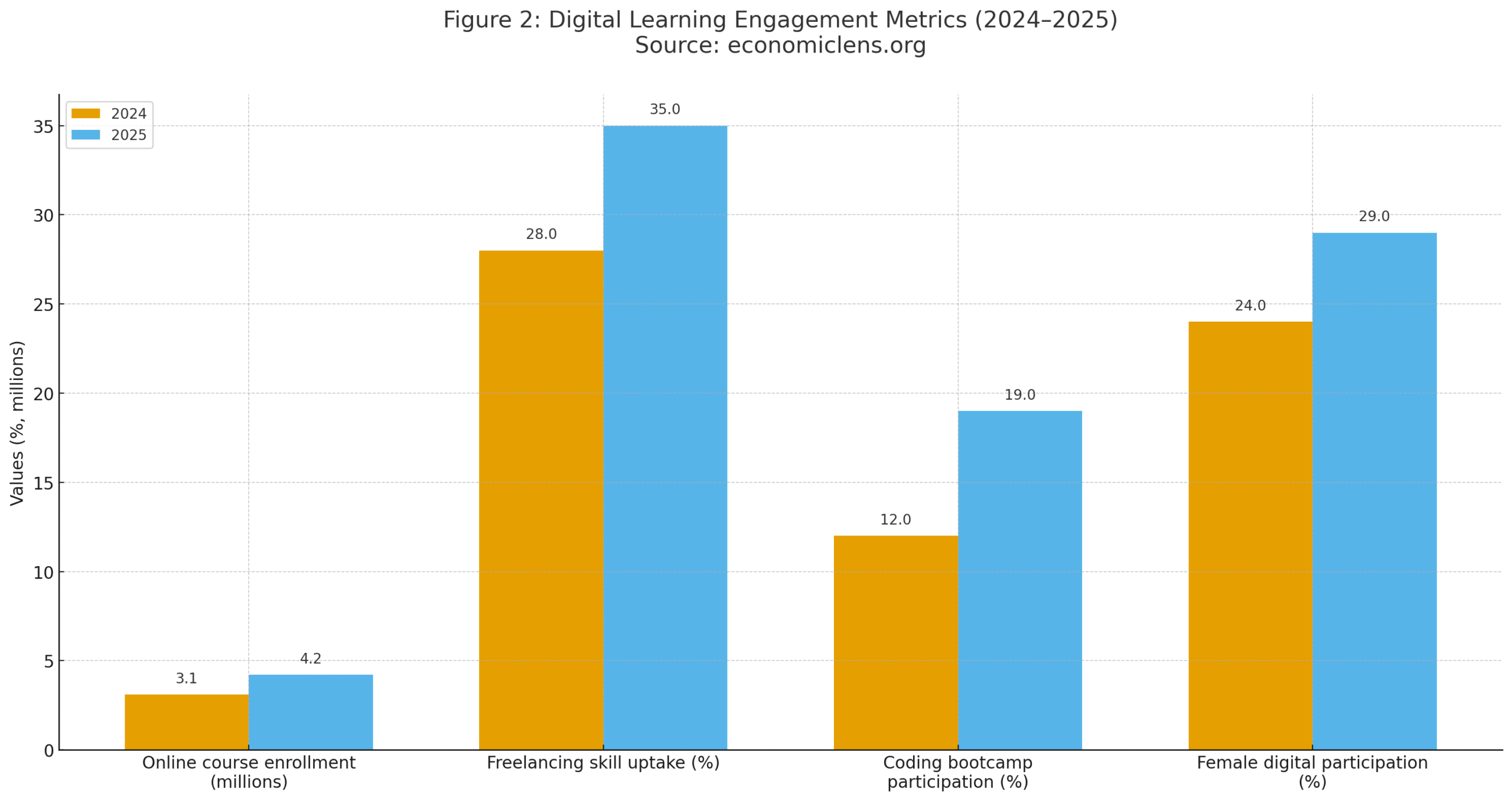
Digital learning engagement is rising, especially among women and early-career students. This shift reflects growing demand for flexible, skill-focused education.
Freelancing Income Boom Among Pakistani Youth
Due to rapid global demand for remote digital work, Pakistani freelancers earned over 500 million USD in 2024, with growth projected to continue. The Generation Z Connect Program aims to accelerate this upward trend by training new entrants in high-demand skills.
“When the youth learn digital skills, an entire nation gains new strength.”
3. Entrepreneurship Potential in the Generation Z Connect Program
Beyond skill training, the Generation Z Connect Program places strong emphasis on entrepreneurship. Gen Z students increasingly explore e-commerce, micro-startups and digital services. Consequently, innovation pathways can unlock new revenue streams and local job creation.
Startup advisor Dr. Ayesha Kamal notes that youth-led digital ventures can “reshape local economies” if they receive mentorship, seed support and market access. The Global Youth Entrepreneurship Index 2025 reports a 19 percent global rise in tech-enabled young entrepreneurs, particularly in emerging markets.
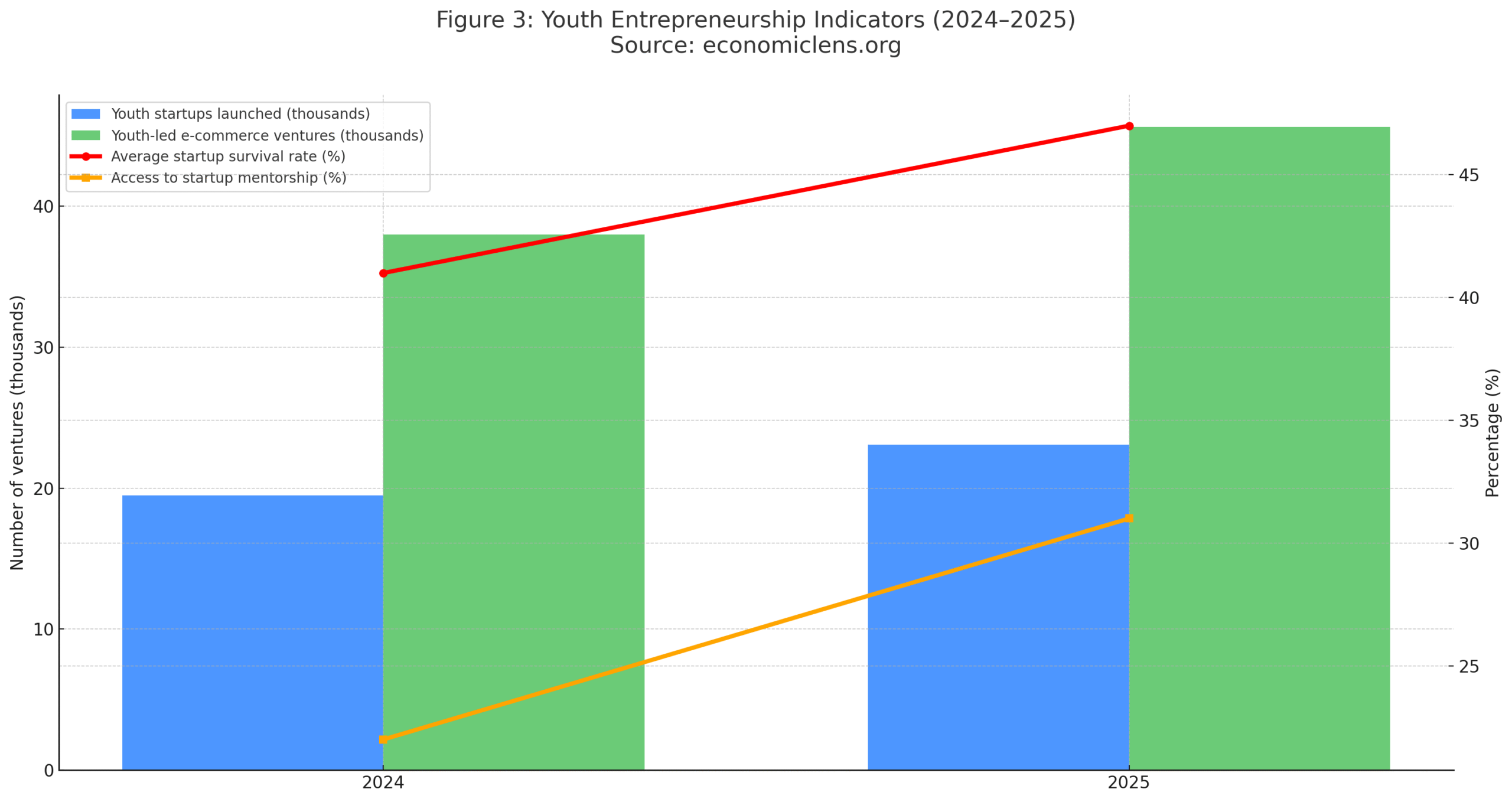
Startups among young people are rising steadily. Higher survival rates reflect improved access to mentorship and digital tools, enabling sustainable ventures.
Pakistan’s E-Commerce Growth Among Gen Z
E-commerce activity surged in 2024–2025, with thousands of students launching Instagram and Shopify stores. Many cited a lack of structured support. The Generation Z Connect Program fills this gap through dedicated entrepreneurship tracks.
“Innovation grows when young minds are given room to experiment.”
4. Career Readiness and Industry Linkages in the Generation Z Connect Program
Career readiness programs reduce the transition gap from education to employment. The Generation Z Connect Program integrates mentorship, internships and industry linkages to support smoother entry into the workforce.
HR strategist Dr. Zainab Rahman states that mentorship “reduces career uncertainty and improves decision-making”, especially for first-generation professionals.
The ILO Global Employment Trends for Youth 2025 report (https://www.ilo.org/global/publications) offers detailed evidence on youth labour market transitions, emerging skill requirements, and the impact of automation on early-career opportunities.
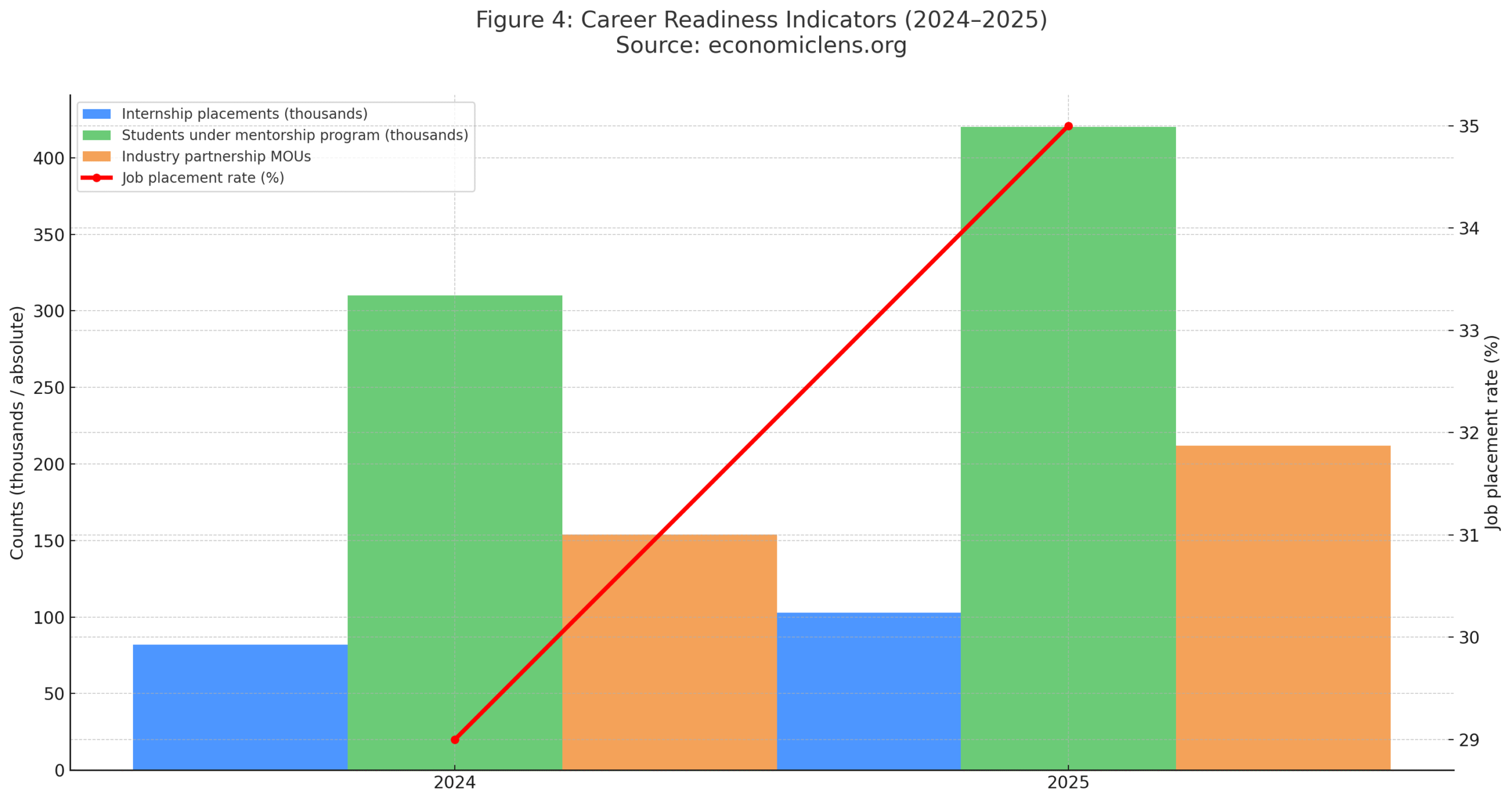
Career support systems strengthen youth employability. Improved mentorship and partnerships increase job placements and workforce readiness.
Corporate Pakistan’s Shift Toward Skills-Based Hiring
Large firms across finance, telecom, retail and IT increasingly prefer candidates with verified skills rather than traditional degrees. This supports the logic behind the Generation Z Connect Program’s skills-first training model.
“A mentor can open doors that talent alone cannot.”
5. Technology Access and Digital Inclusion Under the Generation Z Connect Program
Digital access remains uneven across Pakistan. Many rural and low-income students lack devices, internet access or exposure to modern technology. The Generation Z Connect Program addresses these inequalities through device support and community tech hubs.
Digital inclusion specialist Dr. Imran Tariq stresses that “access is the first barrier and the most important one”, especially for young learners. ITU’s 2025 Connectivity Index notes that Pakistan improved internet penetration from 52 percent to 60 percent in one year, though rural gaps persist.
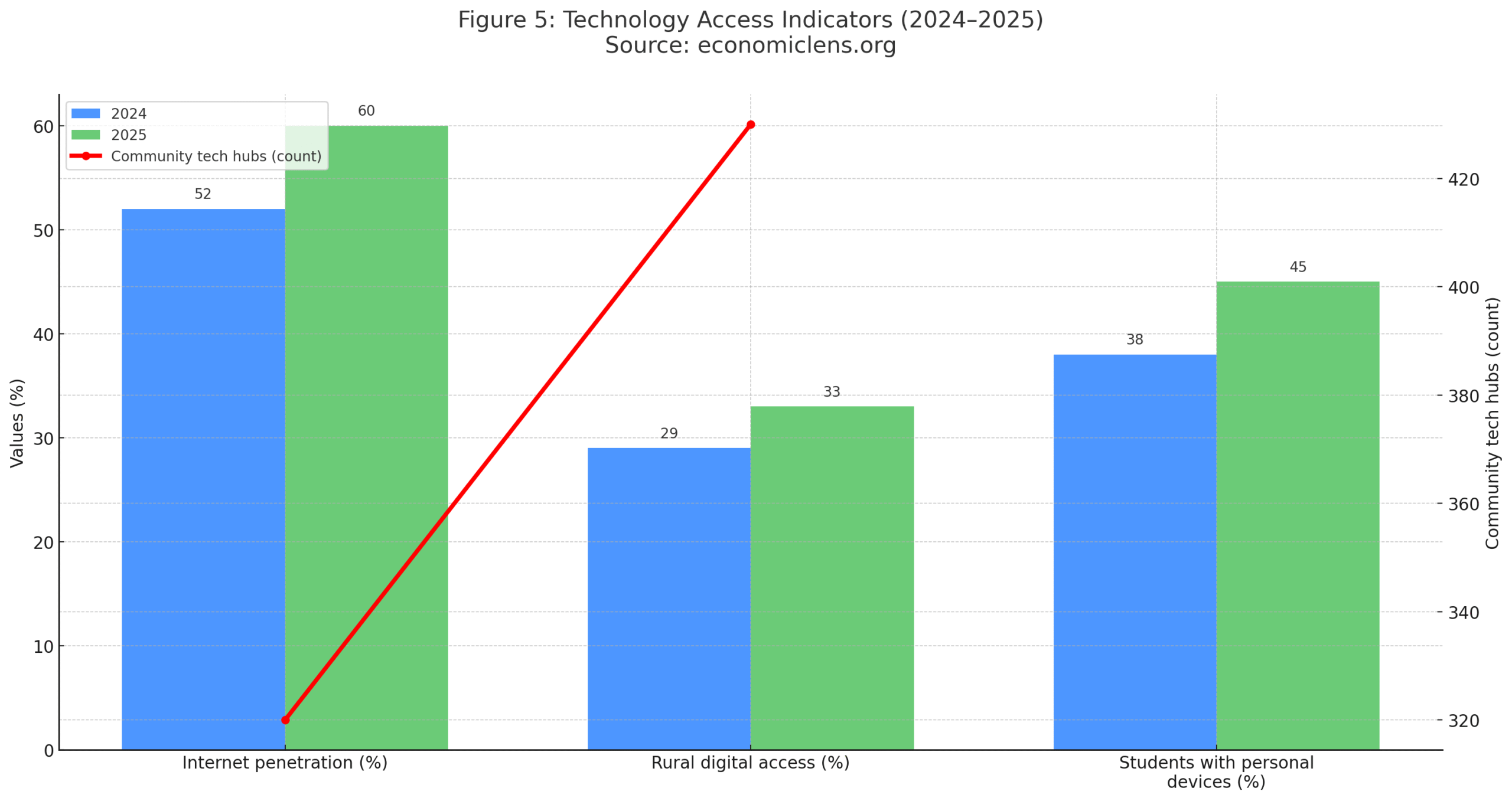
Device availability and internet access are improving, yet progress remains uneven. Expanding community tech hubs will be essential for inclusive growth.
Digital Divide Challenges in Rural Pakistan
Surveys show that rural students remain disconnected from digital education. Limited internet quality and device shortages hinder growth. The Generation Z Connect Program prioritizes these gaps, aiming to prevent long-term inequality.
“When every student gets access, every community gains opportunity.”
6. Social Inclusion and Civic Engagement Through the Gen Zee Connect Program
Hafiz Naeem Ur Rehman emphasized that Gen Z must not only be skilled but socially conscious. Therefore, the Generation Z Connect Program includes civic awareness, ethics, volunteerism and community engagement tracks.
Social sciences scholar Dr. Amina Khalid says that youth-driven community engagement can “rebuild trust, reduce polarization and strengthen social cohesion”. UNDP’s Youth Development Report 2025 notes that socially engaged youth contribute significantly to local problem-solving and community stability.
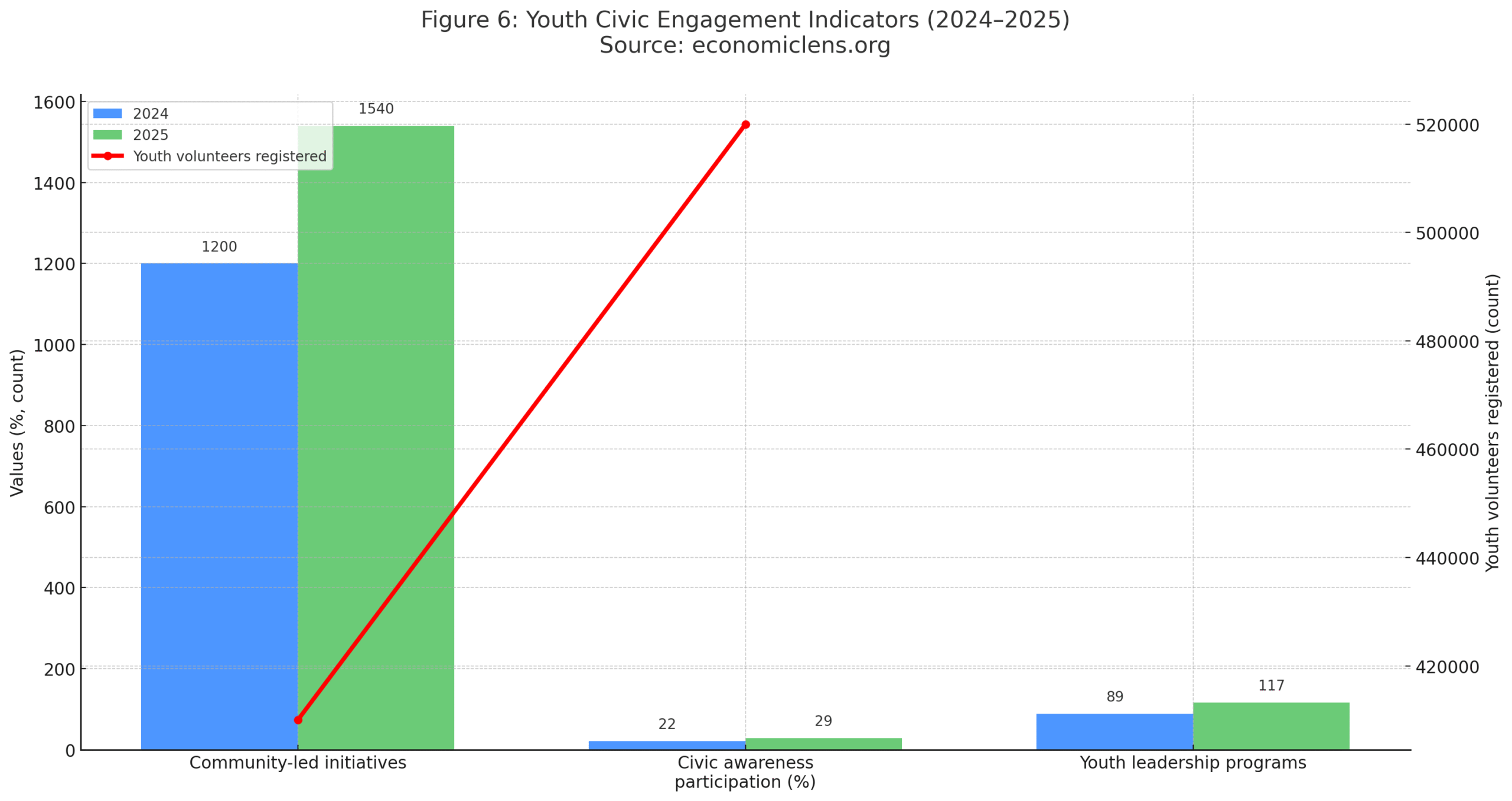
Youth engagement in civic and community programs is rising. This strengthens social stability and encourages responsible leadership among Gen Z.
“A skilled generation must also be a responsible generation.”
7. Economic Impact of the Generation Z Connect Program
Youth skill development directly contributes to economic resilience. This program has the potential to unlock large-scale productivity gains and expand Pakistan’s digital economy.
Economic analyst Dr. Usman Ghori states that if Pakistan trains even 20 percent of Gen Z in digital skills, national GDP could rise by 1 to 1.5 percent within five years. The Asian Development Bank’s Digital Growth Outlook 2025 projects that South Asian digital economies could triple in value by 2030 with focused youth training.
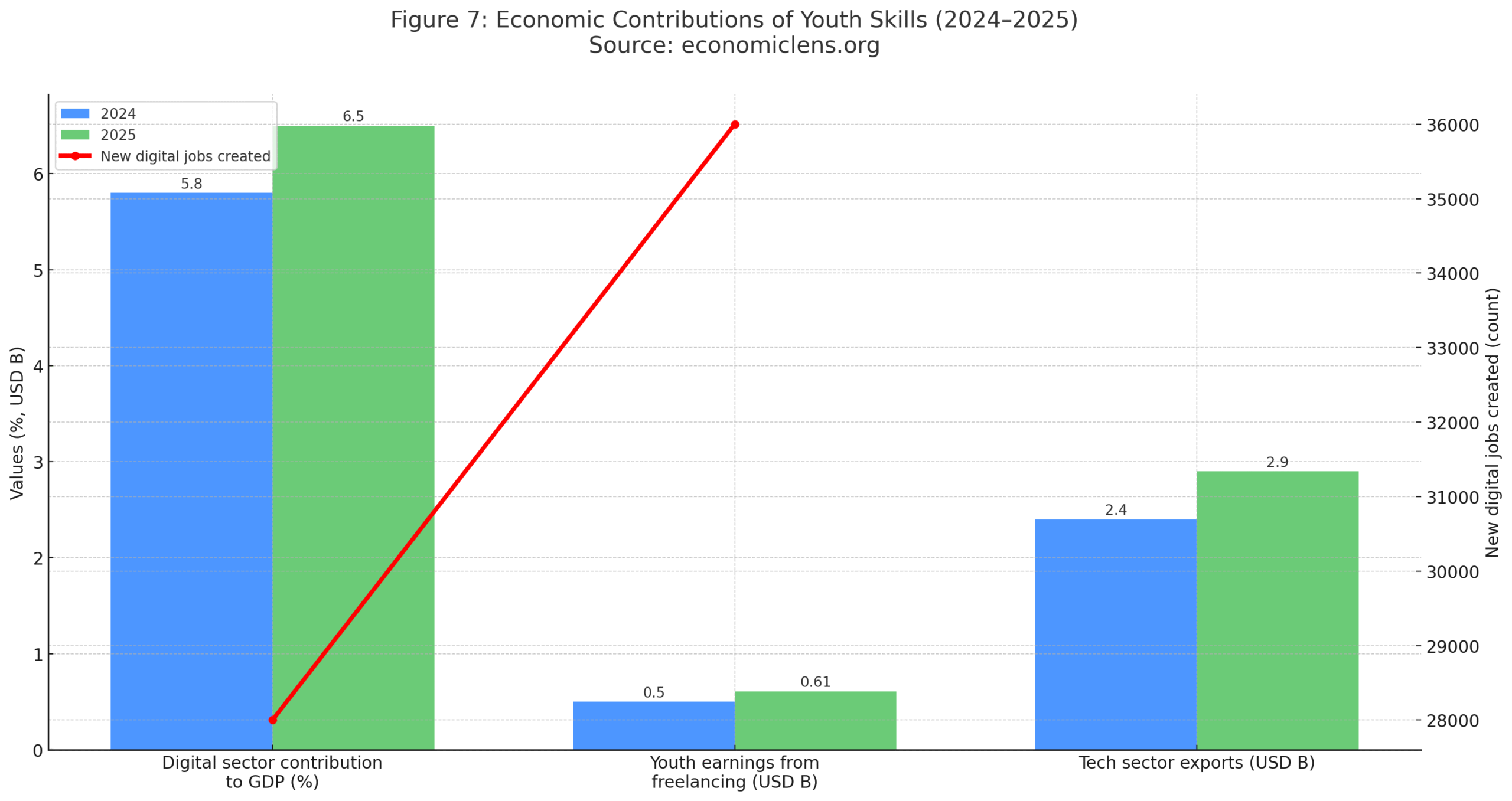
Economic indicators show a rising contribution from youth-led digital activity. Strengthening skill pipelines will accelerate technology-driven GDP expansion.
“When young people grow economically, the nation grows with them.”
8. Policy Gaps and the Path Forward for the Generation Z Connect Program
Despite progress, Pakistan still faces structural barriers such as limited funding, slow curriculum reforms and uneven provincial coordination. Closing these gaps is essential for maximizing the impact of the Generation Z Connect Program.
Policy expert Dr. Rehan Javed argues that long-term success depends on “policy stability, cross-sector planning and continuity across political cycles”. OECD’s Skills Strategy Review 2025 recommends that emerging economies strengthen data systems, quality benchmarks and training certification to enhance outcomes.
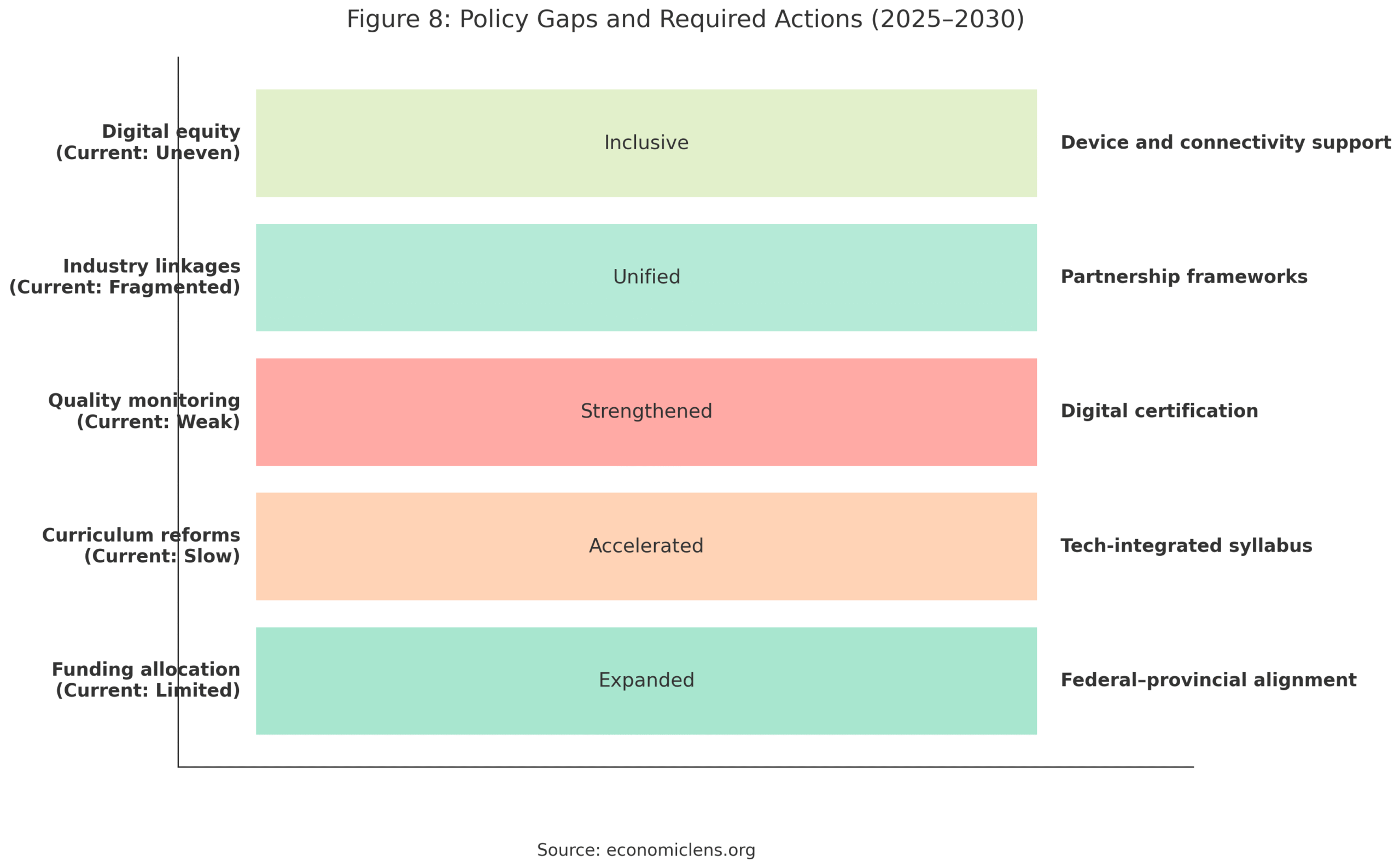
Policy gaps remain significant, yet targeted reforms can unlock rapid improvement. A coordinated strategy will ensure long-term benefits for youth and the economy.
“Programs succeed when policy stays focused and consistent.”
CONCLUSION
The Generation Z Connect Program represents a turning point in Pakistan’s youth development strategy. By aligning education with digital transformation, entrepreneurship and civic engagement, the program addresses critical gaps in skills, employability and economic participation. Pakistan’s youth face rising challenges in the labor market due to automation, global competition and shifting job structures. However, targeted investments in digital learning, mentorship, startup support, career readiness and technology access can unlock new pathways for growth. Data trends suggest significant economic potential if Pakistan continues to strengthen training ecosystems and expand digital inclusion efforts. Additionally, the program’s emphasis on social awareness and community engagement ensures that youth development is tied to national cohesion and responsible citizenship. Moving forward, sustained policy reforms, reliable funding and strong industry partnerships will be essential to maximize impact. Ultimately, the Generation Z Connect Program provides a blueprint for transforming the country’s demographic strength into long-term economic and social resilience.
A related analysis of rising youth unemployment, AI disruption and the skills gap appears in “Global Youth Unemployment 2025: AI Disruption, Skills Gaps & the Gen Z Jobs Crunch”
https://economiclens.org/global-youth-unemployment-2025-ai-disruption-skills-gaps-gen-z-jobs-crunch/.
CALL TO ACTION
Pakistan’s future depends on empowering its youth with the skills, confidence and opportunities needed to succeed in a rapidly evolving digital world. Policymakers, institutions and communities must collaborate to expand access, strengthen training and support innovation.
“A generation empowered with skills becomes a generation capable of reshaping a nation’s destiny.”




9 thoughts on “Generation Z Connect Program: Digital skills, Vocational Training & Future Growth”
Excellent
A Precise and Accurate overview of the Gen Z Connect Program…. Well explained!!👏🏻👏🏻
Thank you for investing in our youth! This program will create opportunities for many.
Here is a short, clear overview:
—
Short Overview
Pakistan’s digital future depends on empowering its youth with modern skills. The Generation Z Connect Program aims to build this capacity by training young people in digital fields. Experts suggest that training even a portion of Gen Z could boost GDP by up to 1.5% within five years. With South Asia’s digital economy expected to triple by 2030, strengthening youth skills can drive national growth—showing that when young people progress, the country advances with them.
—
Pakistan’s digital future depends on empowering its youth with modern skills. The Generation Z Connect Program aims to build this capacity by training young people in digital fields. Experts suggest that training even a portion of Gen Z could boost GDP by up to 1.5% within five years. With South Asia’s digital economy expected to triple by 2030, strengthening youth skills can drive national growth—showing that when young people progress, the country advances with them.
—
Pakistan’s digital future depends on empowering its youth with modern skills. The Generation Z Connect Program aims to build this capacity by training young people in digital fields. Experts suggest that training even a portion of Gen Z could boost GDP by up to 1.5% within five years. With South Asia’s digital economy expected to triple by 2030, strengthening youth skills can drive national growth—showing that when young people progress, the country advances with them.
Pakistan’s digital economy can expand significantly by equipping its Gen Z population with modern digital skills. Estimates suggest that even training a fraction of youth could boost national GDP and accelerate technology-driven growth. The Generation Z Connect Program aims to build this skill pipeline, ensuring that as young people advance economically, the country progresses with them.
I sincerely appreciate your commitment to our education and your cuntenues support
Excellent and great sir
Excellent