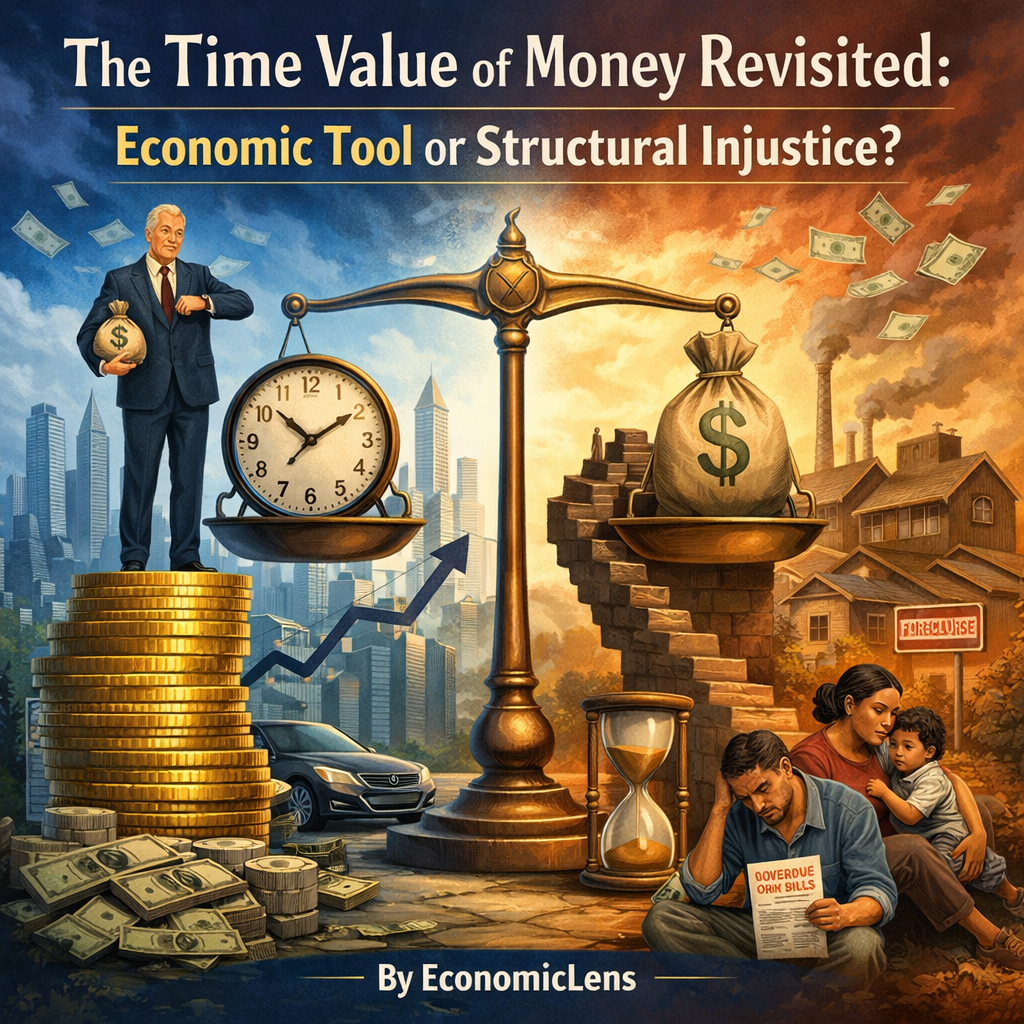
Structural Injustice of TVM analyzes how the time value of money transforms time into guaranteed income, producing inequality, debt dependence, and financial instability. It contrasts this framework with Islamic economic
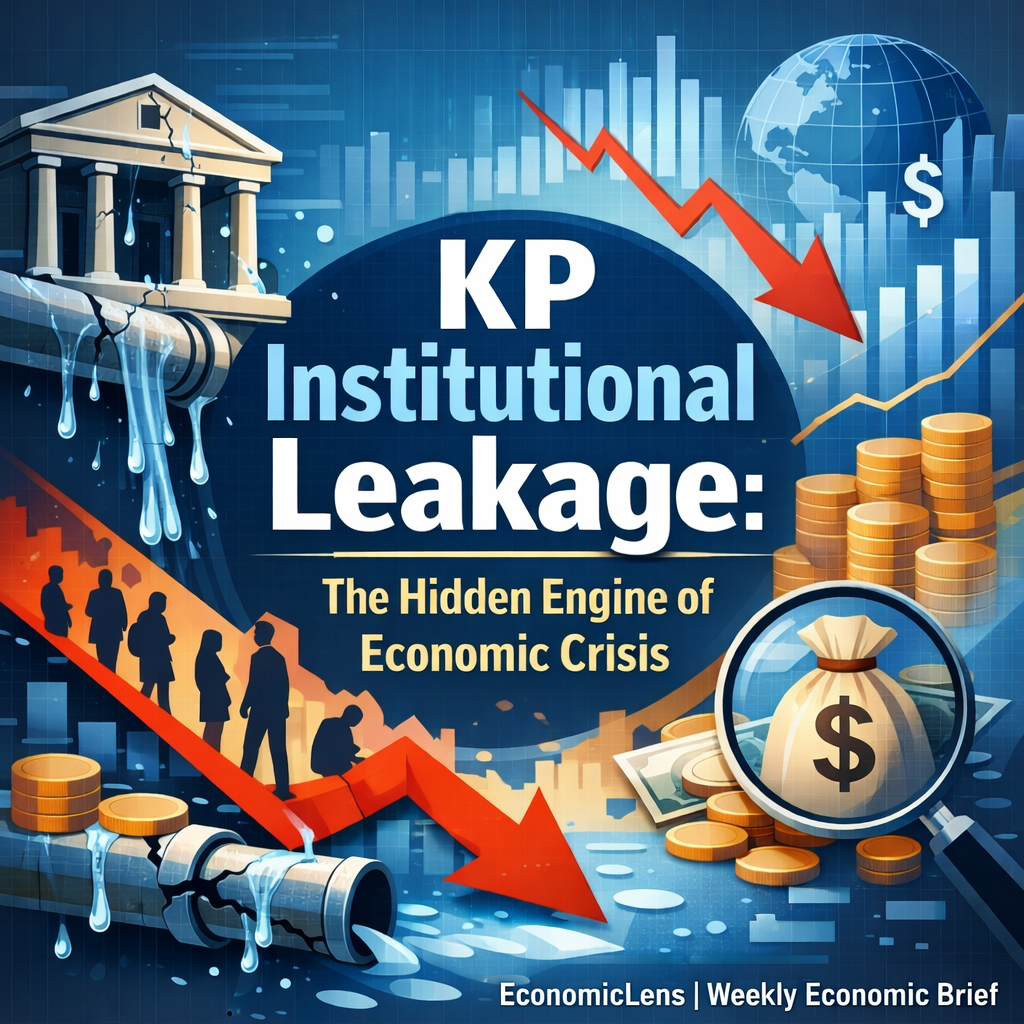
The KP Institutional Leakage framework explains why the KP Economic Crisis persists despite repeated policy announcements and budget allocations. Economic stress in Khyber Pakhtunkhwa no longer stems only from inflation
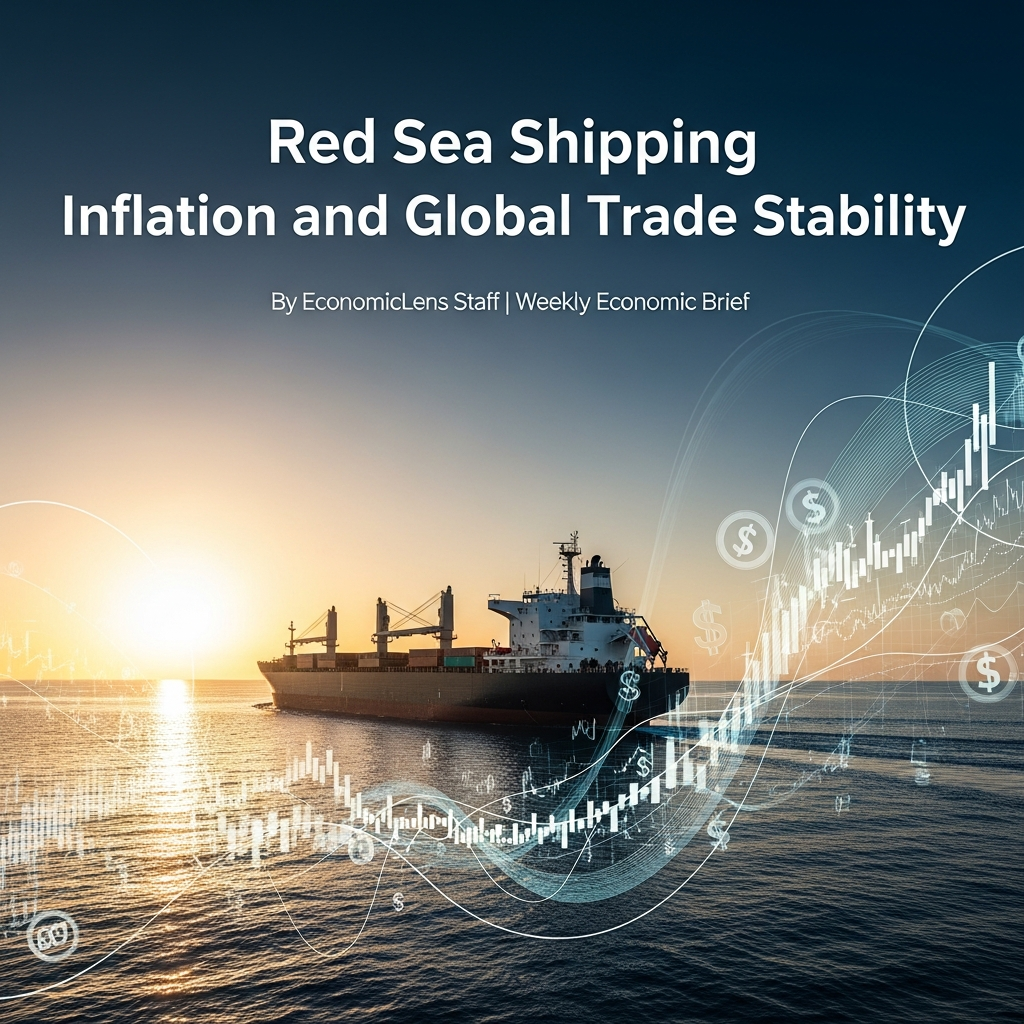
Red Sea shipping inflation has become a structural driver of global price pressures. Prolonged maritime disruptions, higher freight rates, and elevated insurance premia are feeding into energy, food, and import
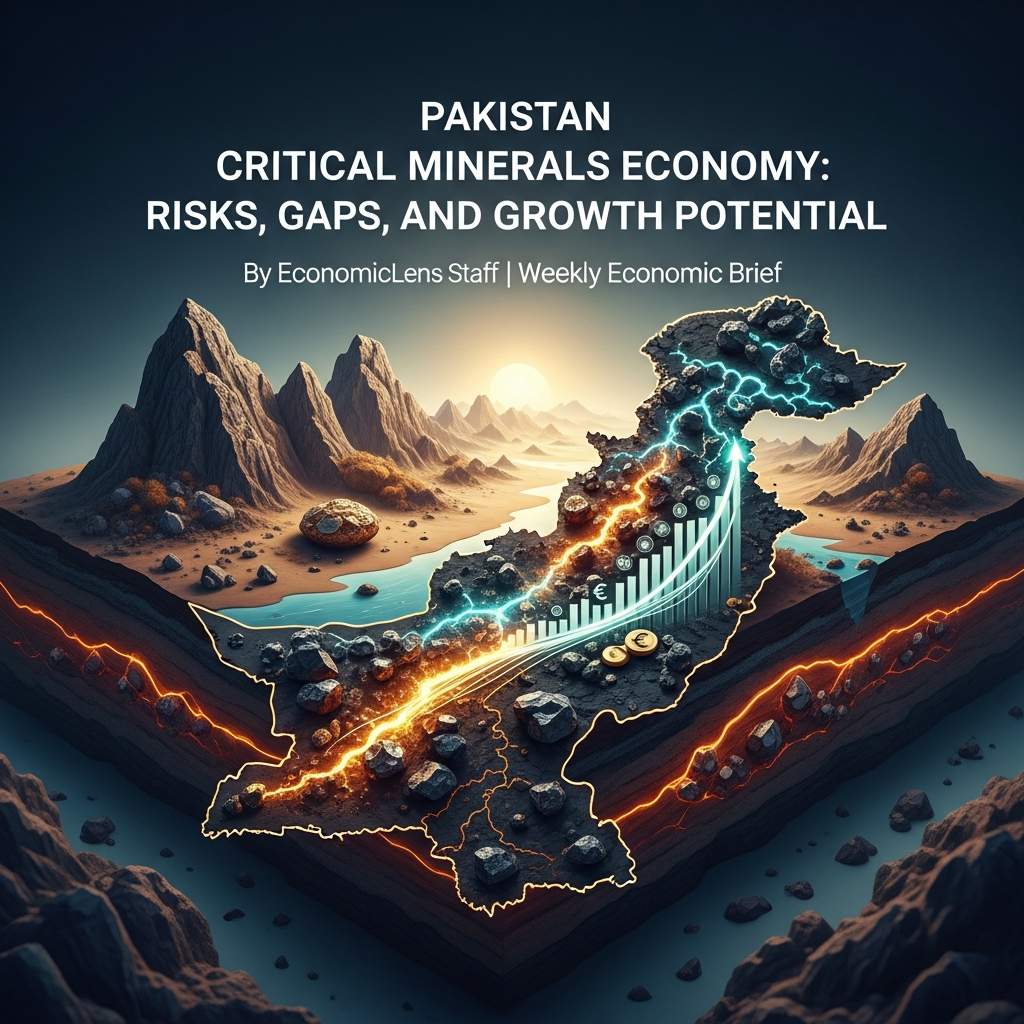
Pakistan minerals economy is gaining global attention as demand for copper, lithium, and rare earths rises. This Weekly Economic Brief examines mineral reserves, global demand trends, weak value chains, regional
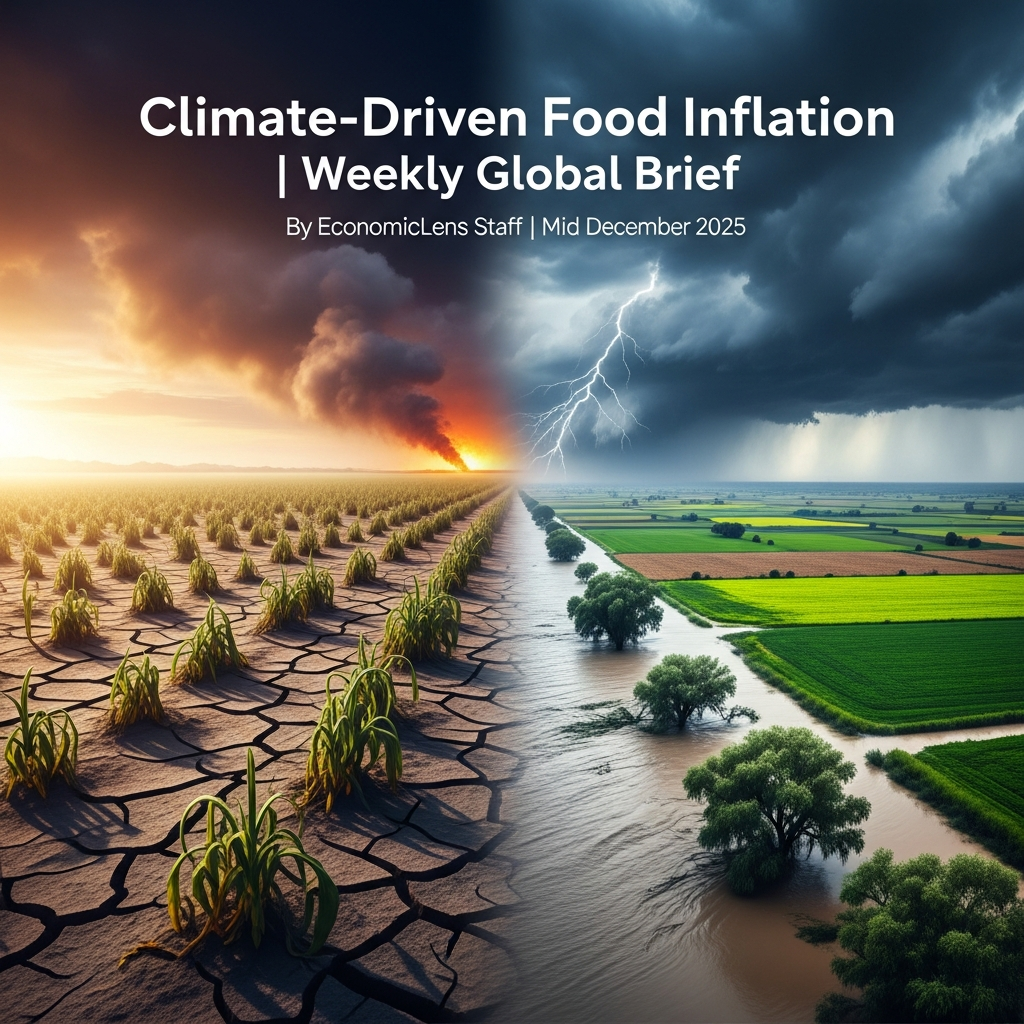
Climate-driven food inflation is increasingly shaping global economic outcomes as climate shocks, supply disruptions, and policy responses interact across food markets. However, unlike past price spikes, current food inflation pressures
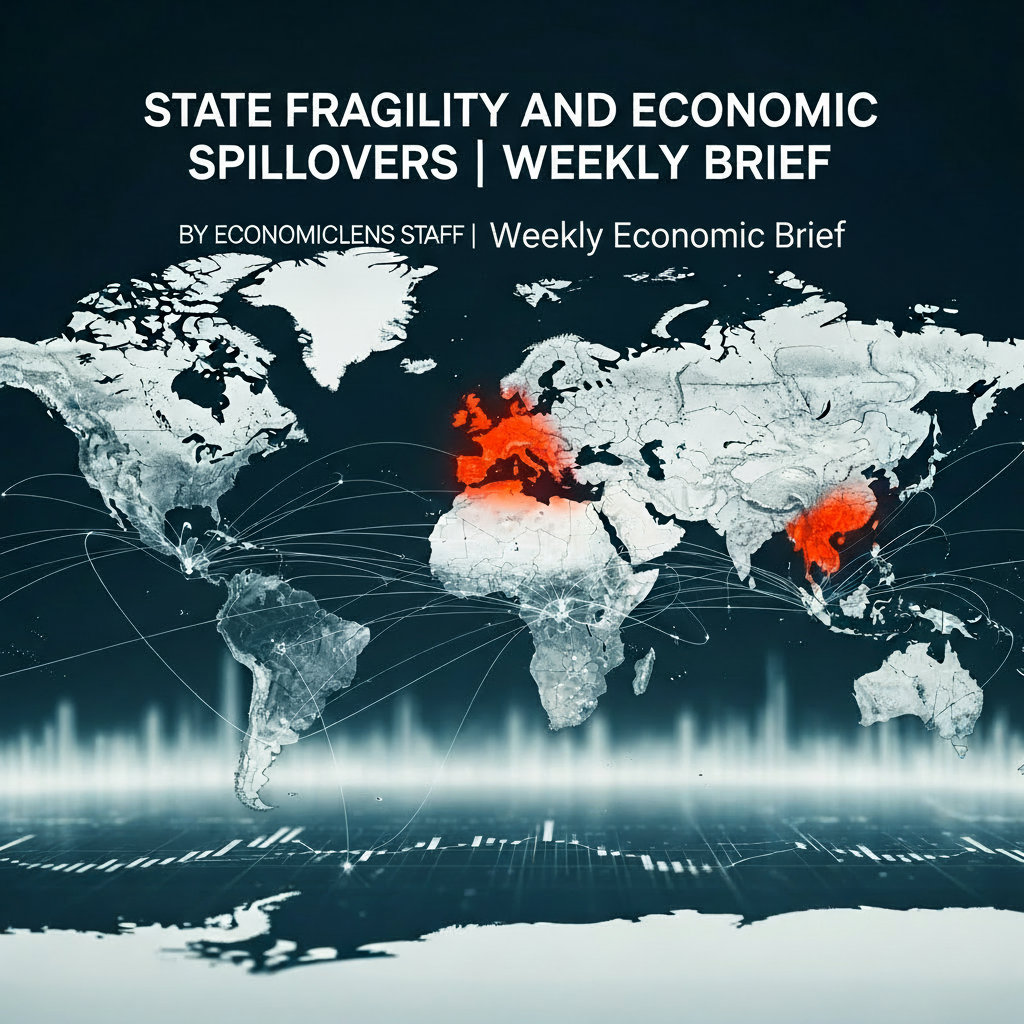
State fragility and economic spillovers are increasingly shaping economic outcomes across emerging and conflict-exposed economies. Rather than remaining isolated political crises, current fragility is both multidimensional and persistent. In particular,
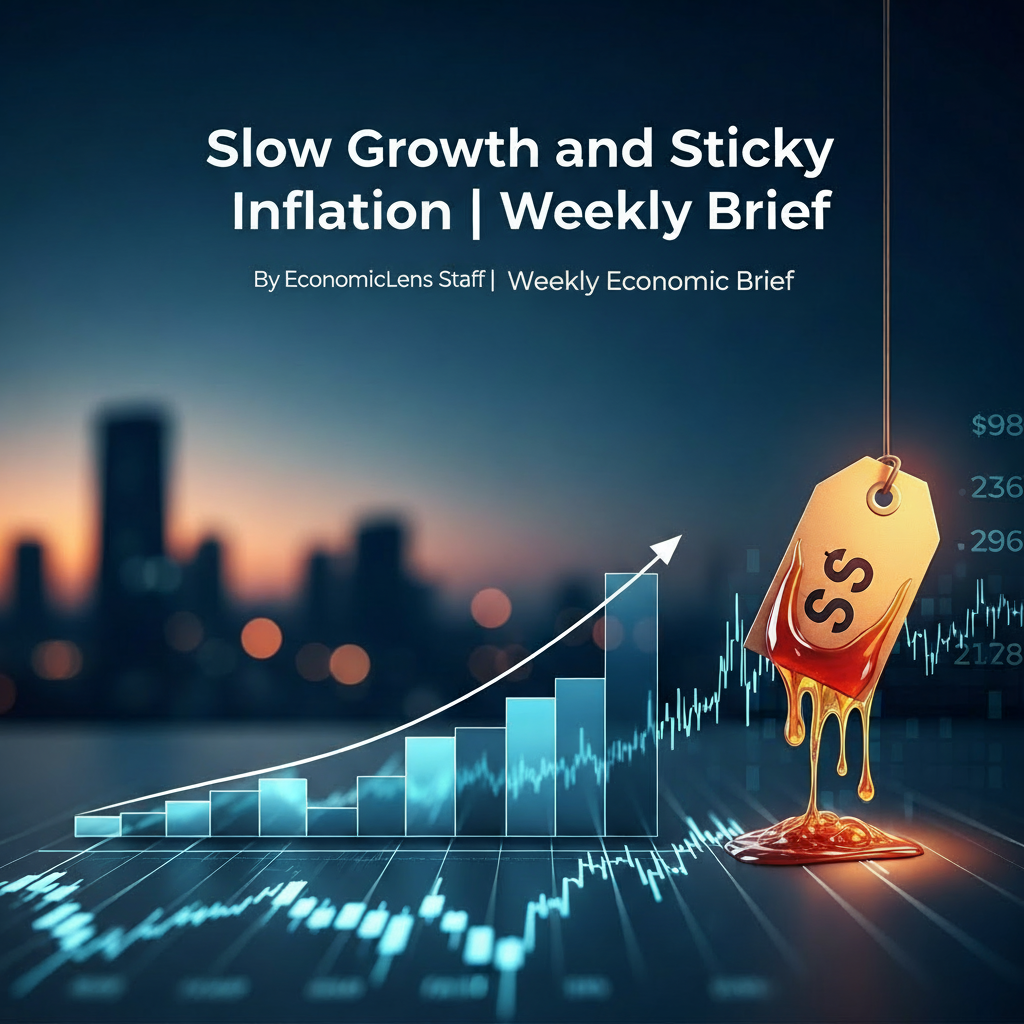
Slow growth and sticky inflation are increasingly defining the global economic environment as 2025 comes to a close. Unlike earlier cycles, weak growth is no longer delivering rapid disinflation. Instead,