
This blog explains takaful and waqf fund by examining Qur’anic principles of collective responsibility, zakat, waqf, and the aqilah system. It also analyzes contemporary Islamic takaful models to clarify how

This blog explains takaful and waqf fund by examining Qur’anic principles of collective responsibility, zakat, waqf, and the aqilah system. It also analyzes contemporary Islamic takaful models to clarify how

اسلامی تصورِ تکافل اور وقف فنڈ کی تفصیلی وضاحت، جس میں قرآنی کفالت، اجتماعی ذمہ داری، زکوٰۃ، وقف، عاقلہ، اور مرَوَّجہ اسلامی تکافل کے ادارہ جاتی ماڈل کا فقہی و
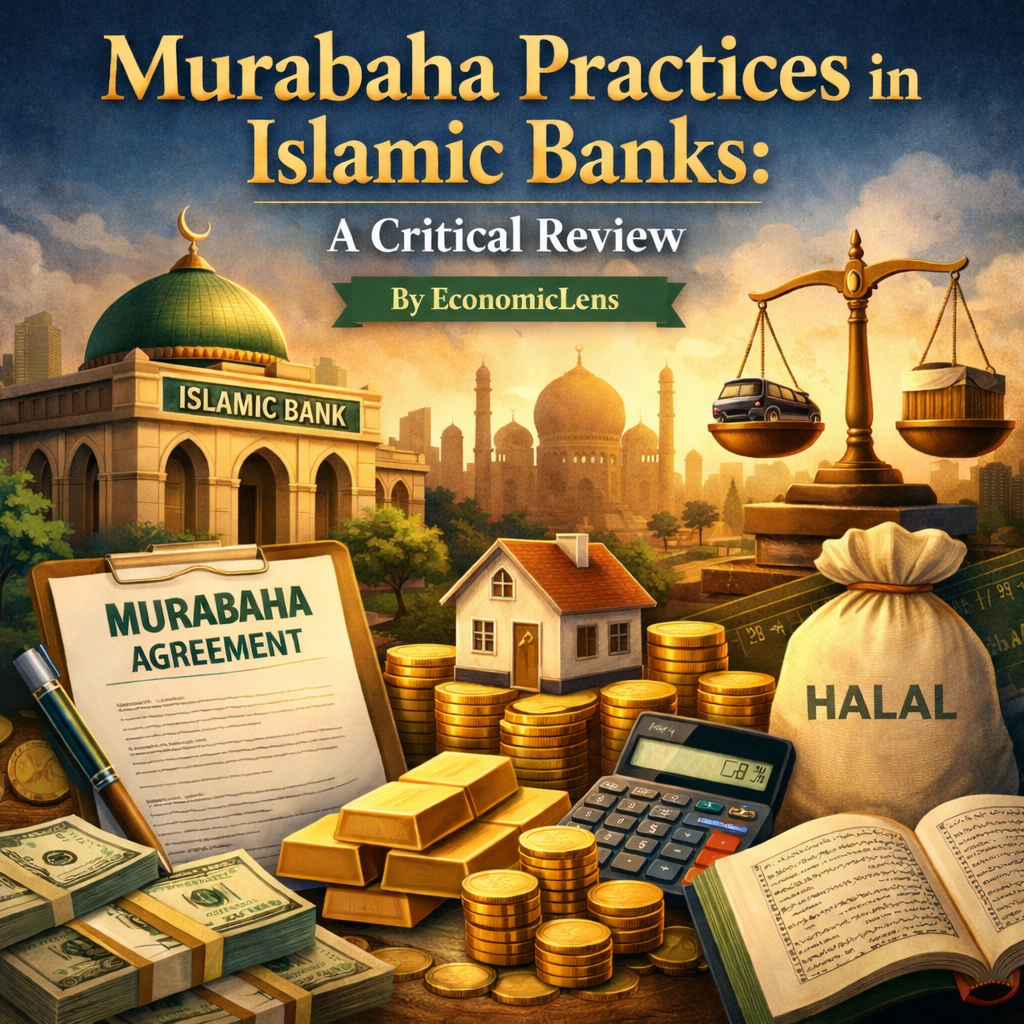
This critical review analyzes Murabaha Practices in Islamic Banks by comparing classical Baiʿ Murabaha with modern Banking Murabaha. It evaluates whether institutional structures preserve real ownership, liability, and risk, or

Global recession risk 2026 remains elevated despite moderate growth forecasts. This analysis examines early warning indicators, financial and fiscal vulnerabilities, and coordinated policy responses for central banks and finance ministries
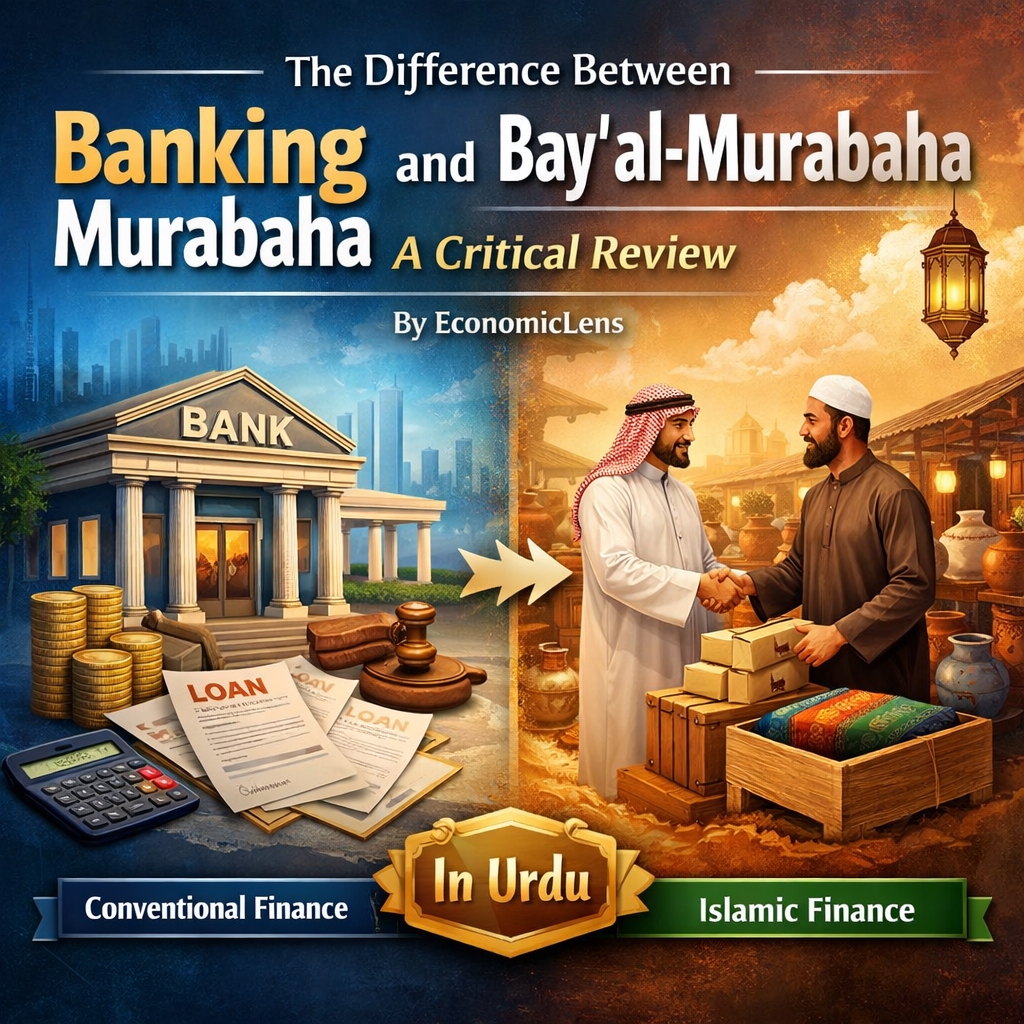
بینکنگ مرابحہ اور وقت کی قیمتِ زر پر مبنی یہ تفصیلی تجزیہ اسلامی بینکاری کے عملی ڈھانچے کو فقہی و معاشی اصولوں کی روشنی میں پرکھتا ہے۔ مضمون میں ربا

AI and job displacement is transforming the future of work by accelerating automation, exaggerating productivity gains, and deepening wage polarization. As artificial intelligence spreads across labor markets, middle-wage jobs decline,
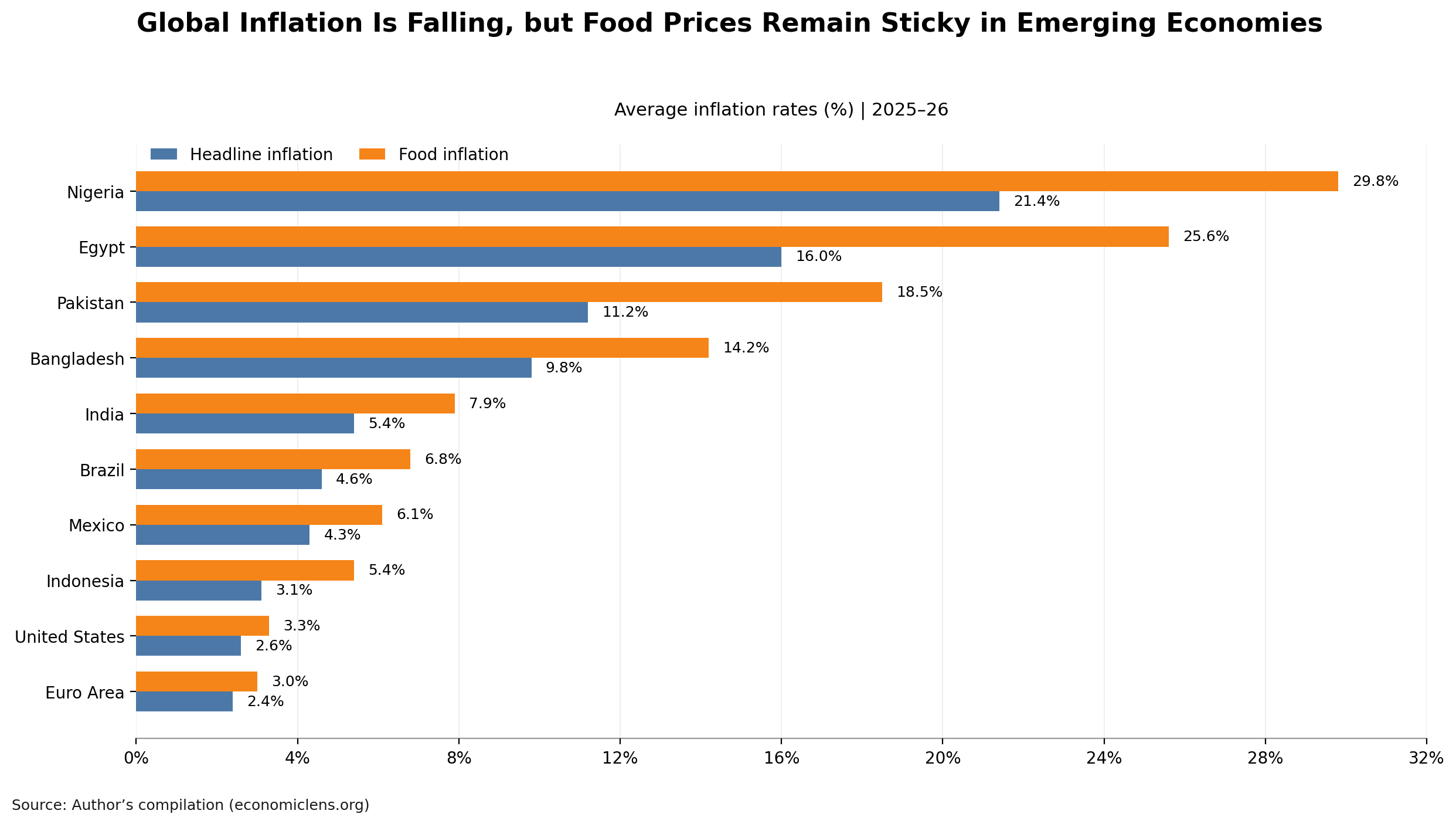
Food inflation in emerging economies remains stubbornly high despite easing global inflation. Using cross-country data and IMF and FAO insights, this analysis explains why food prices remain sticky, how this
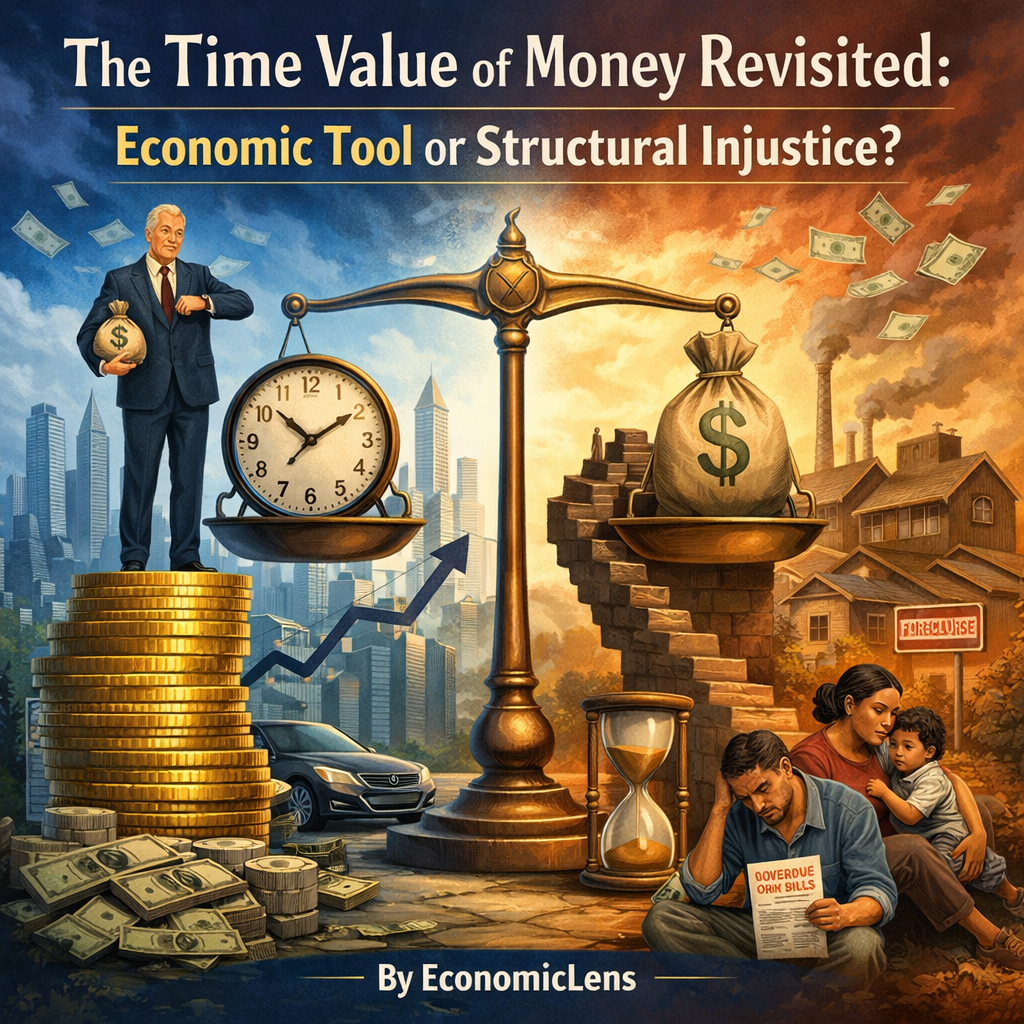
Structural Injustice of TVM analyzes how the time value of money transforms time into guaranteed income, producing inequality, debt dependence, and financial instability. It contrasts this framework with Islamic economic
This analysis explains Bay‘ al-Salam and clarifies why Bay‘ al-Salam cannot be used to justify higher prices, deferred payment, or the time value of money in Islamic economics, while outlining
یہ تجزیہ بیعِ سلم اور وقت کی قیمتِ زر کے درمیان بنیادی فرق واضح کرتا ہے، اور بتاتا ہے کہ اسلامی معاشیات میں بیعِ سلم کو مؤخر ادائیگی پر زیادہ