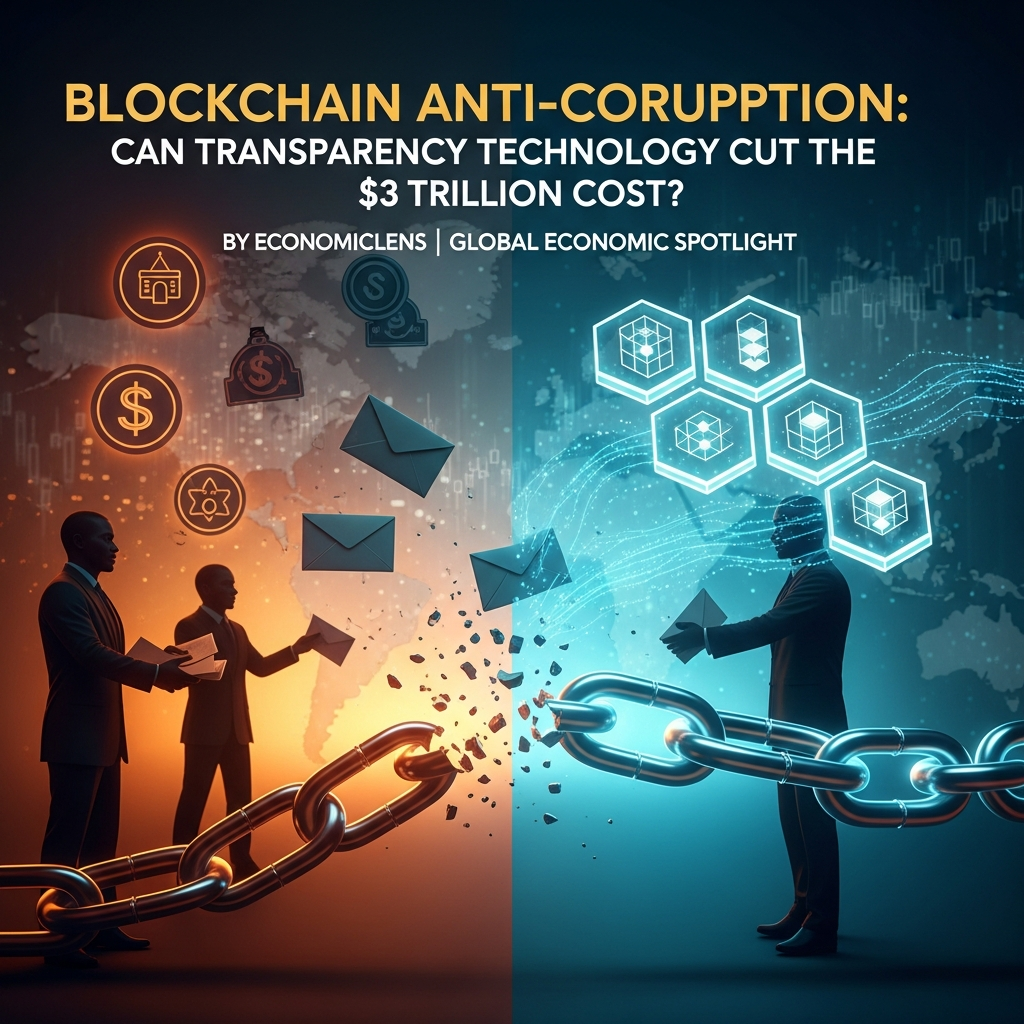
Blockchain anti-corruption is increasingly viewed as a structural reform rather than a technical experiment. Corruption drains nearly $3 trillion each year from the global economy. As a result, growth weakens

Blockchain anti-corruption is increasingly viewed as a structural reform rather than a technical experiment. Corruption drains nearly $3 trillion each year from the global economy. As a result, growth weakens
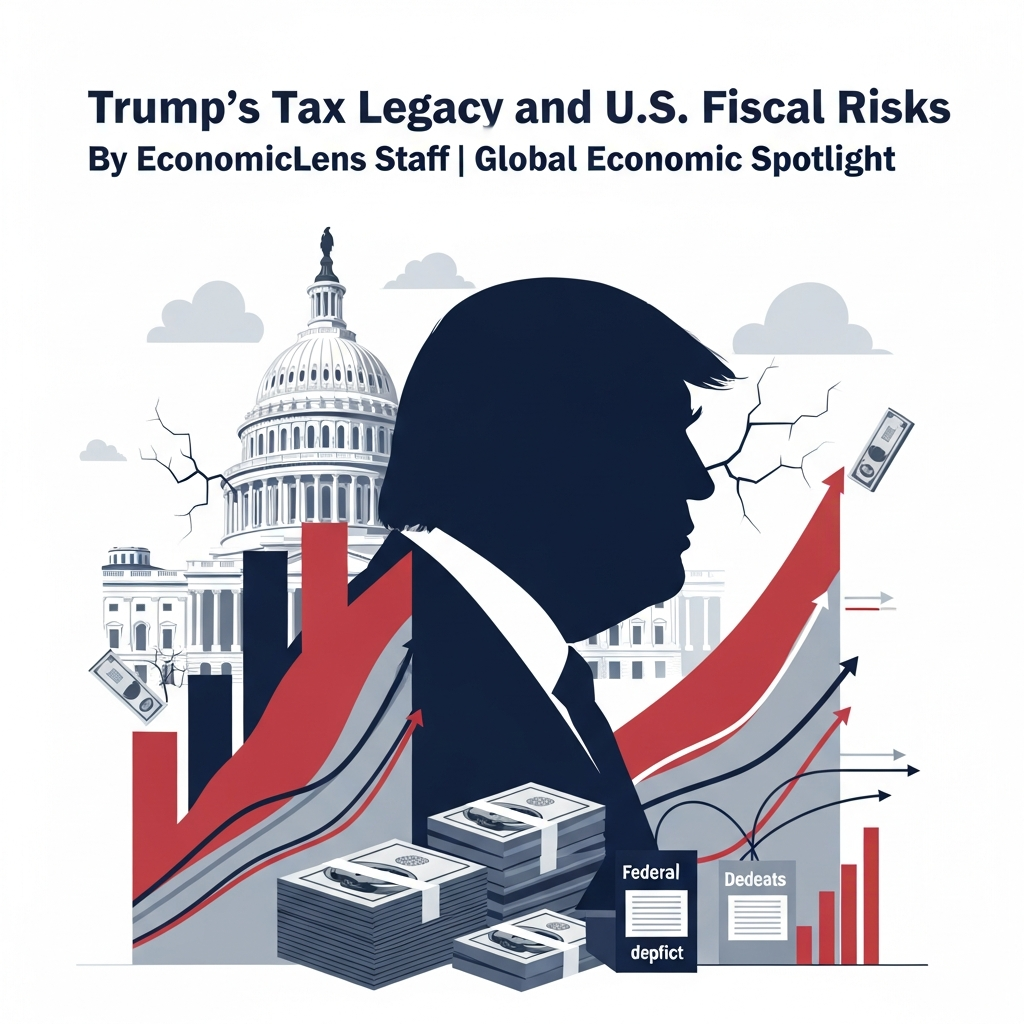
Trump’s tax legacy has become a central factor shaping U.S. fiscal balances, inequality trends, and global economic spillovers in the post pandemic period. While the Tax Cuts and Jobs Act
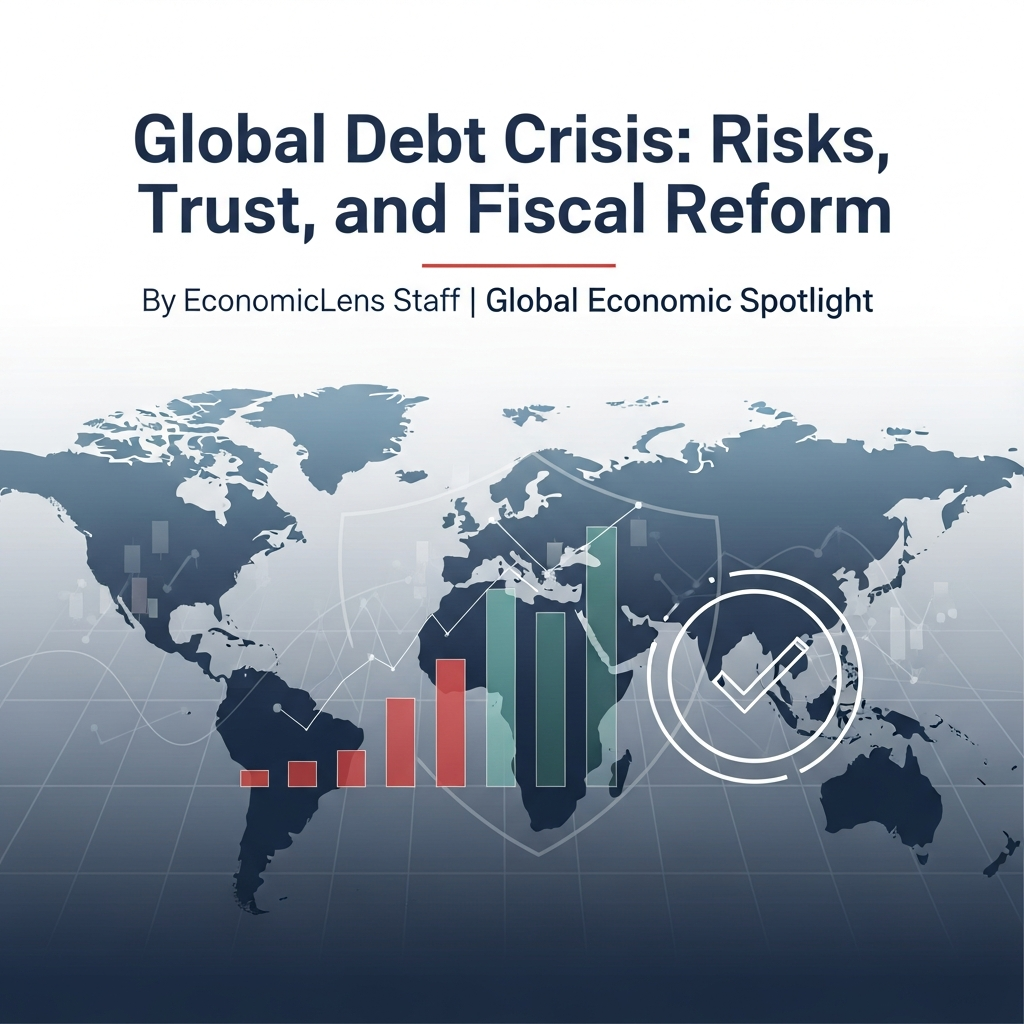
The global debt crisis has intensified as public and private borrowing exceeds $315 trillion. This analysis explores sovereign risk, market credibility, climate vulnerability, and how transparency, AI oversight, and sustainable
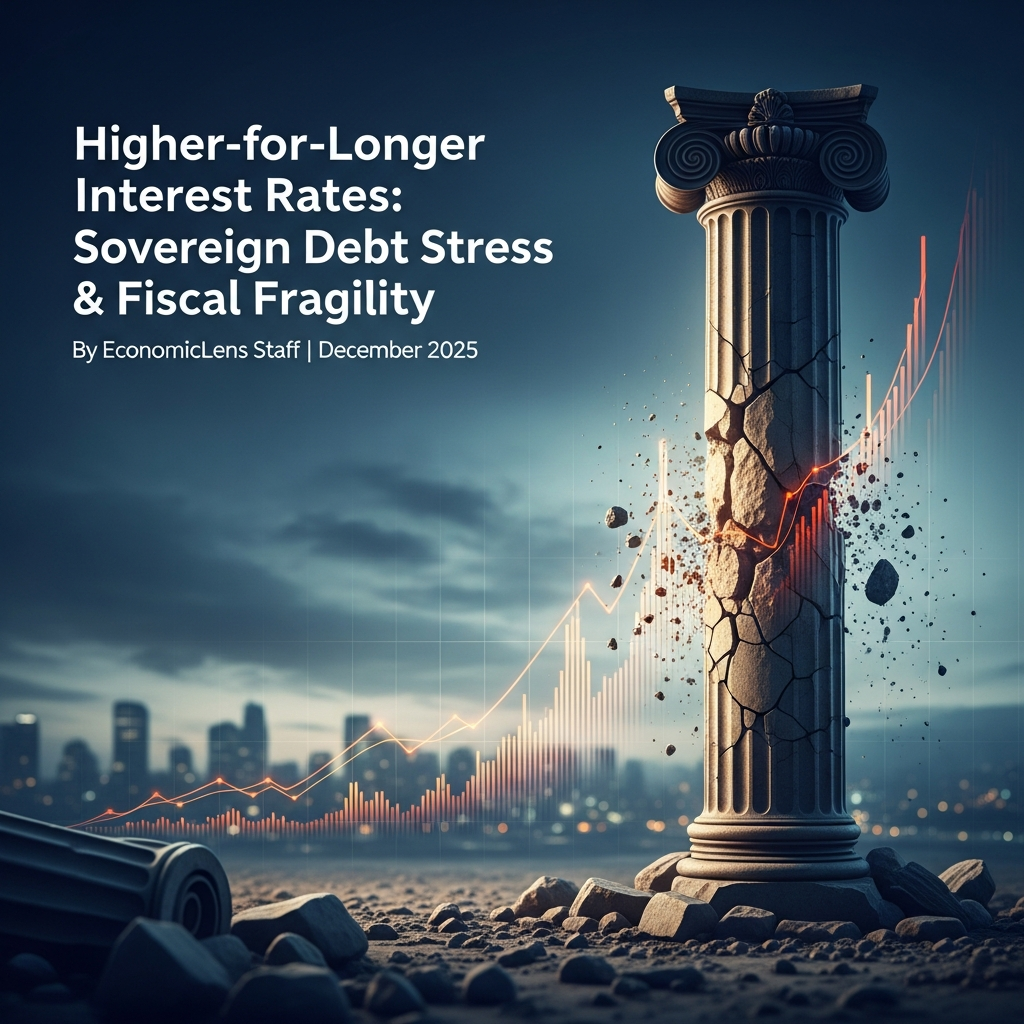
Higher for longer interest rates 2025 deepen global sovereign debt stress as refinancing costs rise. Fiscal buffers continue to shrink, while repayment burdens expand across regions. This blog analyzes the

The KP governance crisis has intensified as security instability rises, border disruptions increase and institutional systems weaken across the province. Shrinking administrative capacity, failing public services and growing instability have
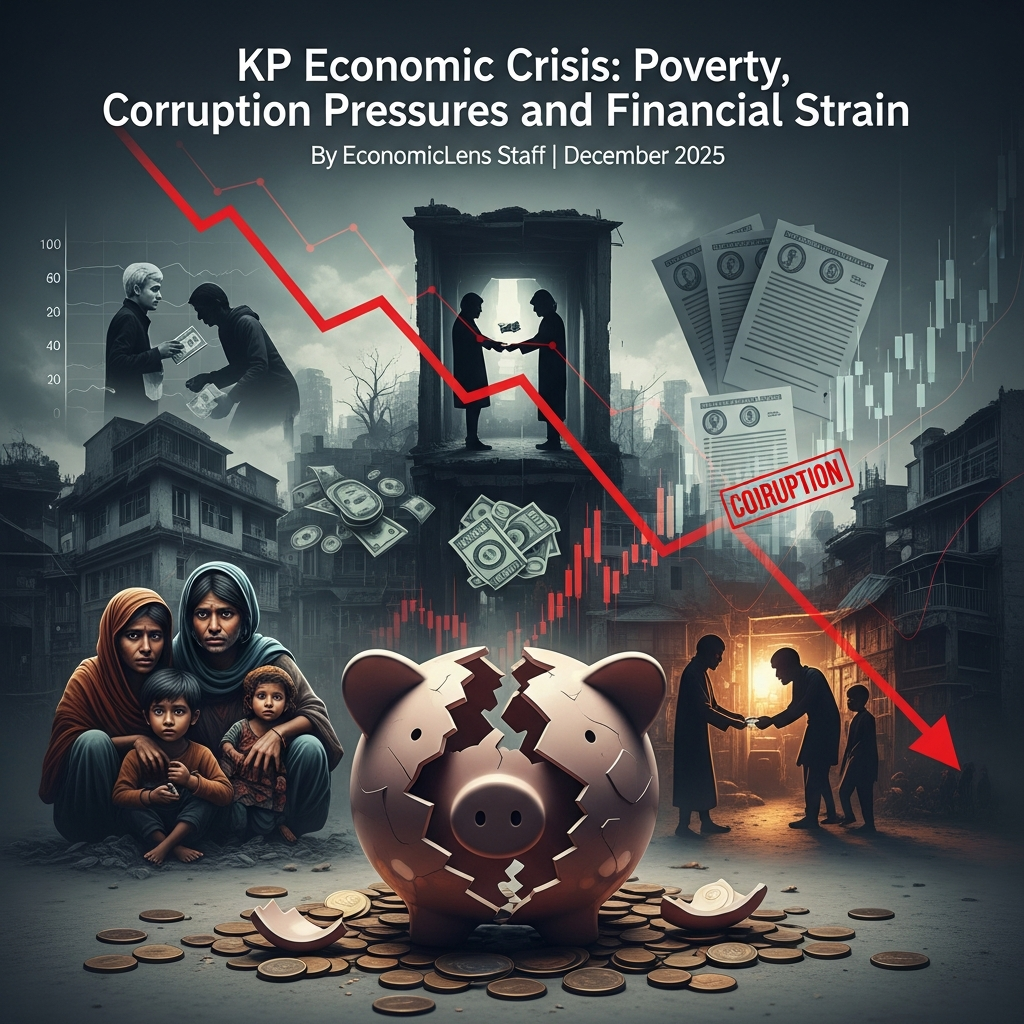
The KP economic crisis is deepening as poverty rises, household deprivation grows and corruption pressures intensify. Rising inflation, border disruptions and shrinking job opportunities have pushed millions into financial stress.
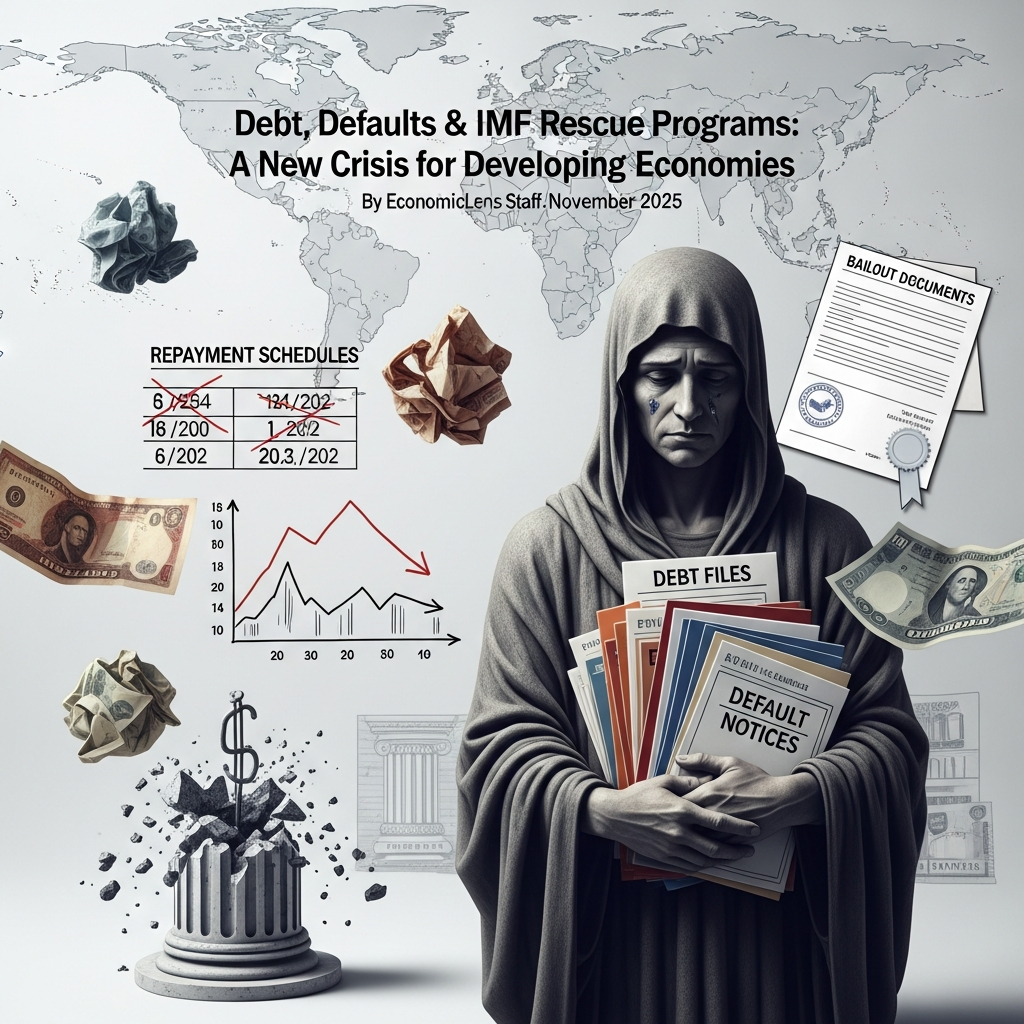
The global debt crisis is intensifying as developing economies face rising default risks, shrinking fiscal space, and growing reliance on IMF rescue programs. This analysis examines sovereign distress, bailout conditionalities,
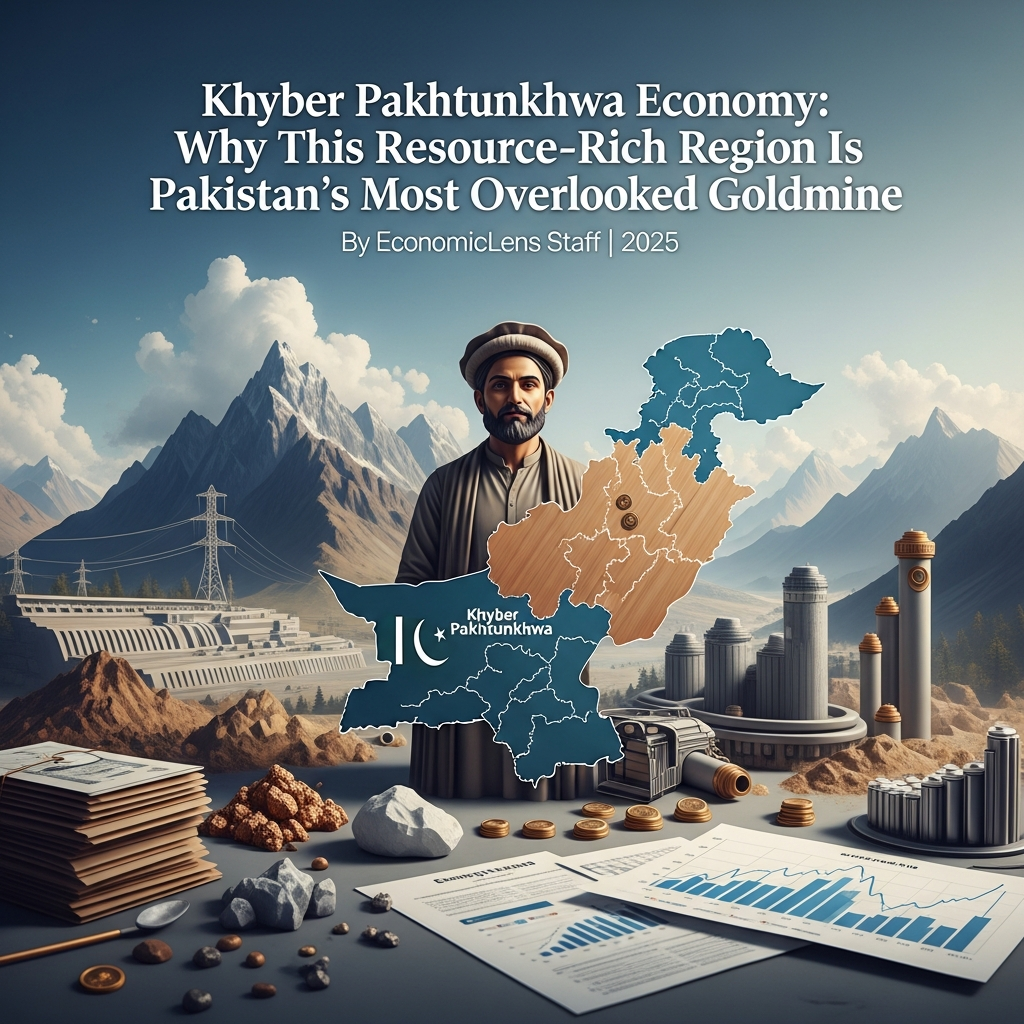
This blog explores how Khyber Pakhtunkhwa; rich in minerals, hydropower, forests, agriculture, and strategic trade corridors—remains Pakistan’s most overlooked economic goldmine. It uncovers the region’s vast yet underutilized potential, the
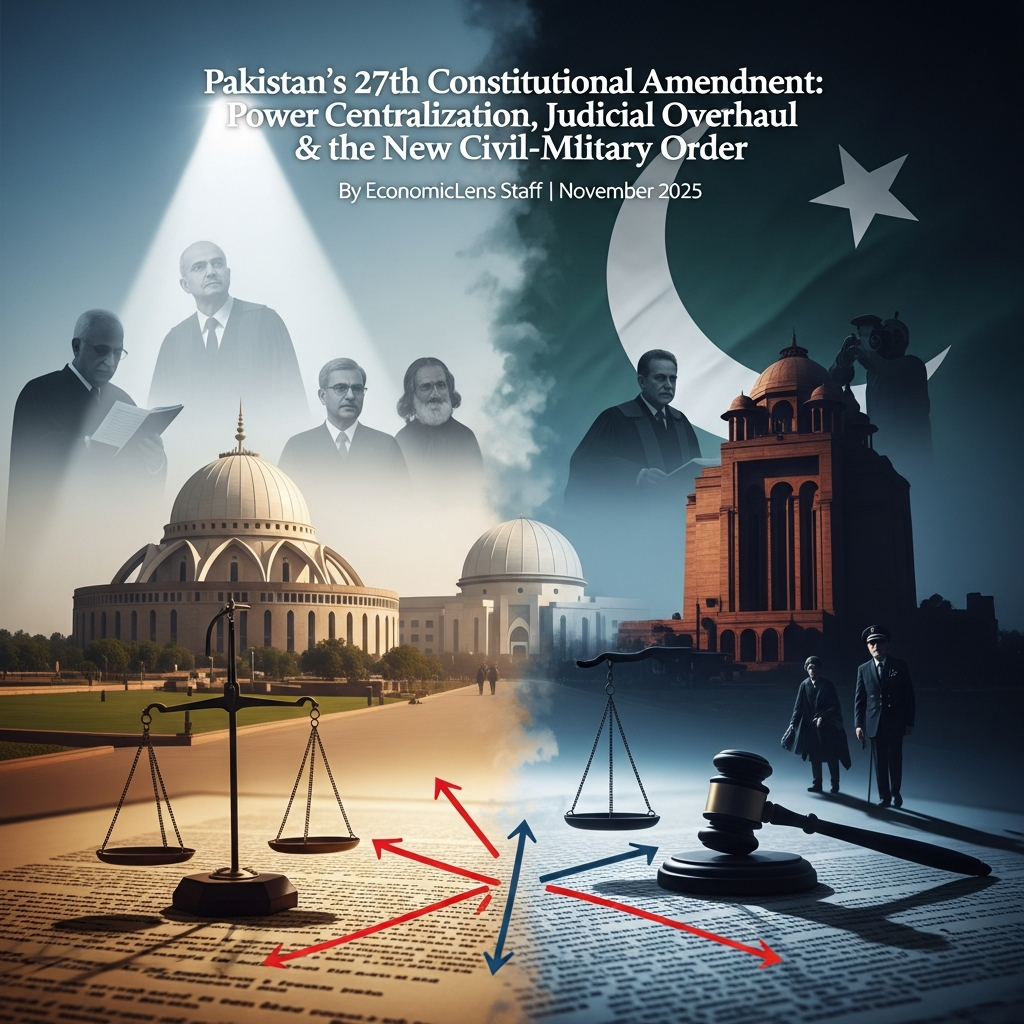
The Pakistan 27th Constitutional Amendment centralizes power, reshapes judicial authority, expands military influence and introduces new legal immunities. This critical review explains early repercussions, long-run risks, institutional imbalance and the
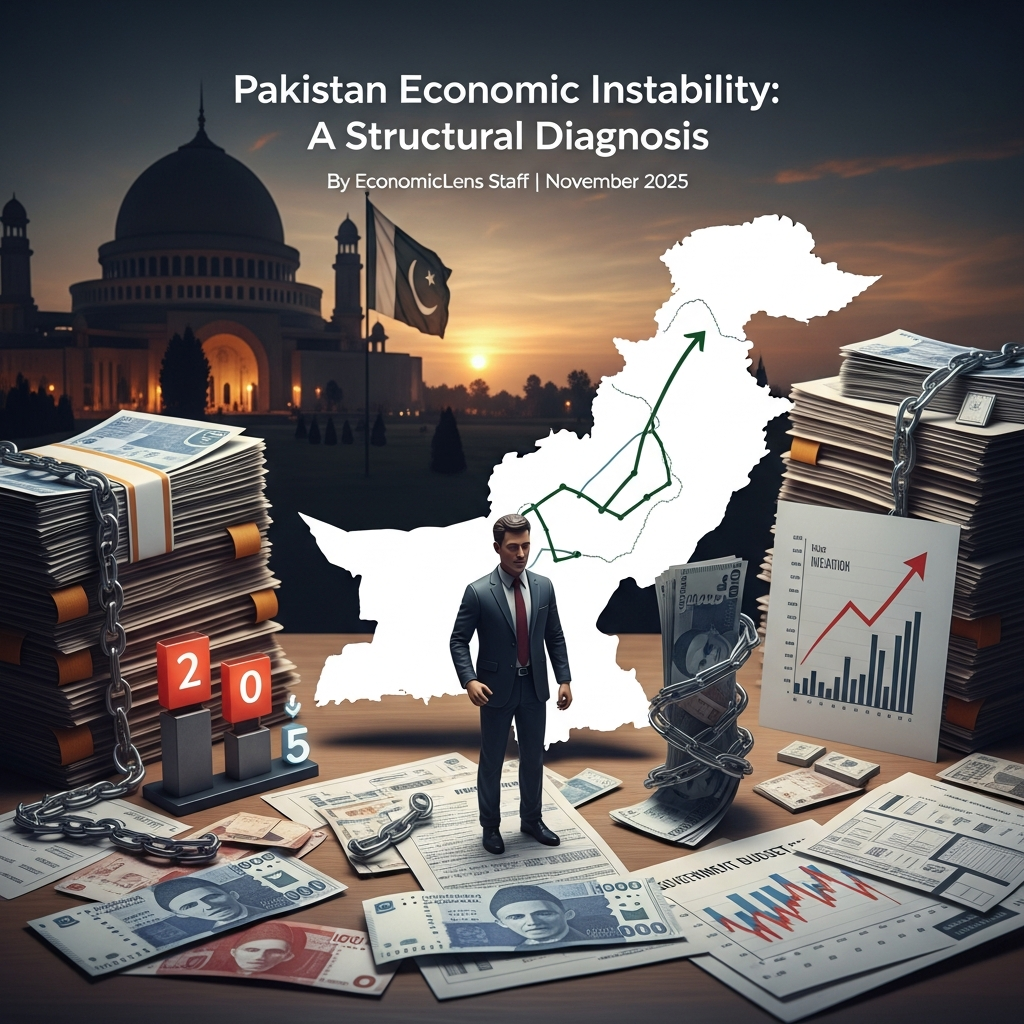
This blog analyzes Pakistan’s economic instability by tracing debt pressures, political volatility, policy inconsistency, industrial stagnation, and governance weaknesses across successive governments. It explains how structural flaws—not single tenures—created today’s