Explore how sustainable agriculture practices are key to ensuring global food security by 2025. Learn how Eco-friendly farming methods like organic farming and agro-forestry help protect farmers, conserve resources, and mitigate climate change, ensuring a stable and sustainable food future for generations to come.
Introduction: The Urgency of Sustainable Agriculture and Food Security in 2025
Given the challenges ahead, it is clear that, with the global population projected to reach nearly 9 billion by 2025, the need for sustainable agriculture becomes critical to ensuring food security. Climate change, shifting agricultural practices, and the growing demand for food all complicate the issue. To meet food security goals without harming farmers, sustainable agriculture must be at the core of future food production systems.
“Food security and green agriculture are intricately linked. To feed the world, we must prioritize farming systems that not only increase yields but also preserve the land, water, and resources farmers rely on. It’s not just about more food—it’s about more sustainable food.” – Dr. Ellen Walker, Director of Food Security at FAO
“As the world grows, our responsibility grows—to feed everyone without depleting our farmers. It’s our time to act now, ensuring that both food security and the farmers who provide for us remain strong, sustainable, and viable.”
1. The Urgency of Sustainable Agriculture and Food Security
Moreover, as food demand increases due to population growth and climate change threatening traditional farming methods, the shift to sustainable agriculture practices like agroforestry, organic farming, and water-efficient techniques offers a solution. Sustainable agriculture ensures that future generations will have access to food without compromising the environment.
“Meeting global food demands without compromising the health of our planet requires a paradigm shift in how we produce food. Green agriculture practices—such as integrated pest management and organic farming—have been shown to improve food security while mitigating environmental risks.” – Dr. Mark Thompson, Agricultural Sustainability Expert
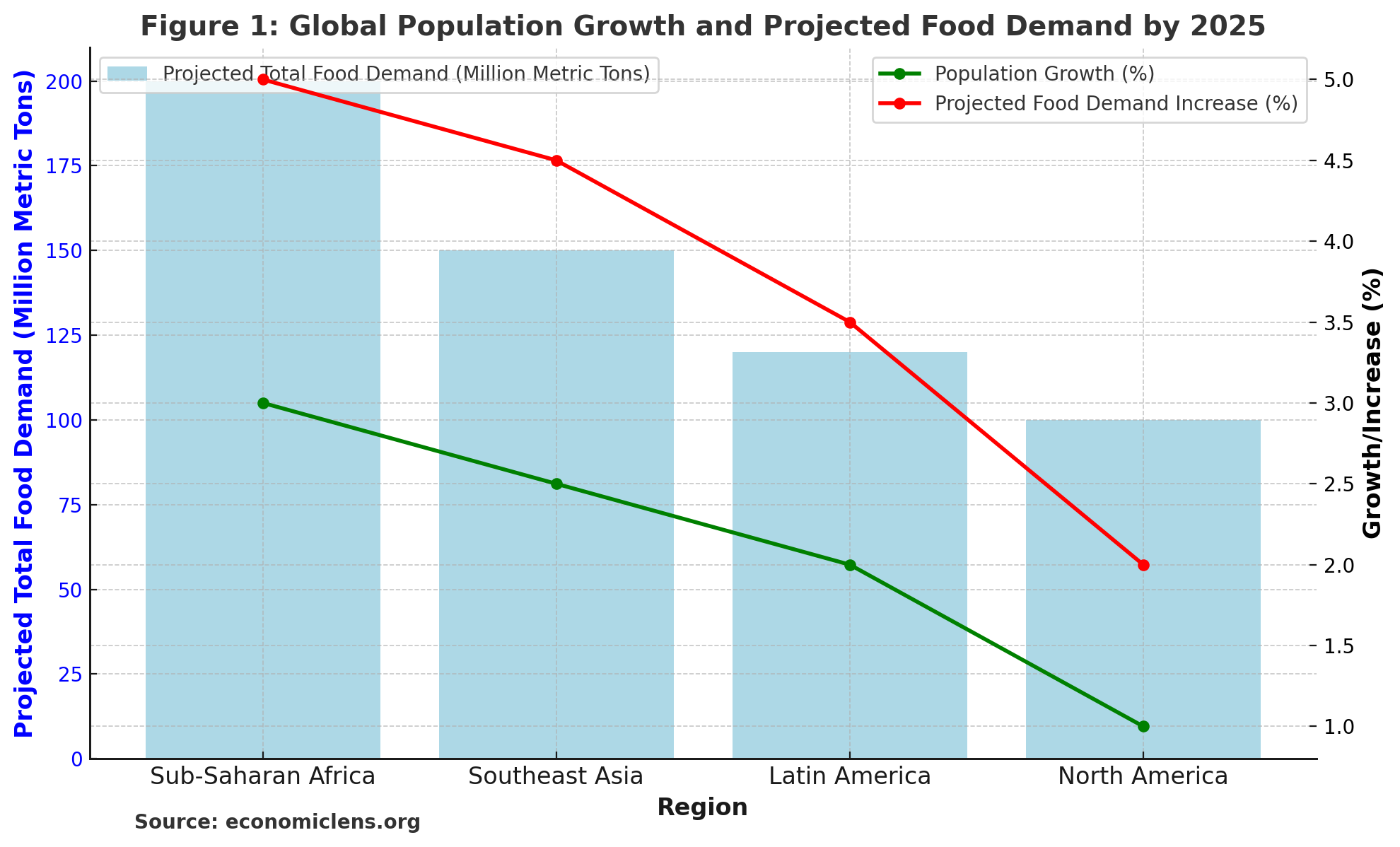
As the global population continues to grow, food demand is expected to increase significantly. Sub-Saharan Africa shows the highest projected growth in food demand, underscoring the need for sustainable agriculture practices to support rising populations, especially in regions with lower agricultural output.
“Sustainability in farming isn’t a trend—it’s a movement that secures our future. Every choice we make today shapes tomorrow’s food security, empowering farmers and preserving the earth for generations to come.”
2. The Role of Green Agriculture Agriculture Practices in Food Security
Additionally, green agriculture involves using farming techniques that protect the environment, conserve resources, and provide fair income for farmers. Practices like crop rotation, reduced pesticide use, and integrated pest management can increase yields without harming the environment or depleting resources, ensuring long-term food security.
“The practice of sustainable agriculture can prevent the depletion of vital resources like soil, water, and biodiversity. It also improves resilience to climate change and strengthens the long-term viability of food security.” – Dr. Samuel Green, Soil Health and Agriculture Specialist
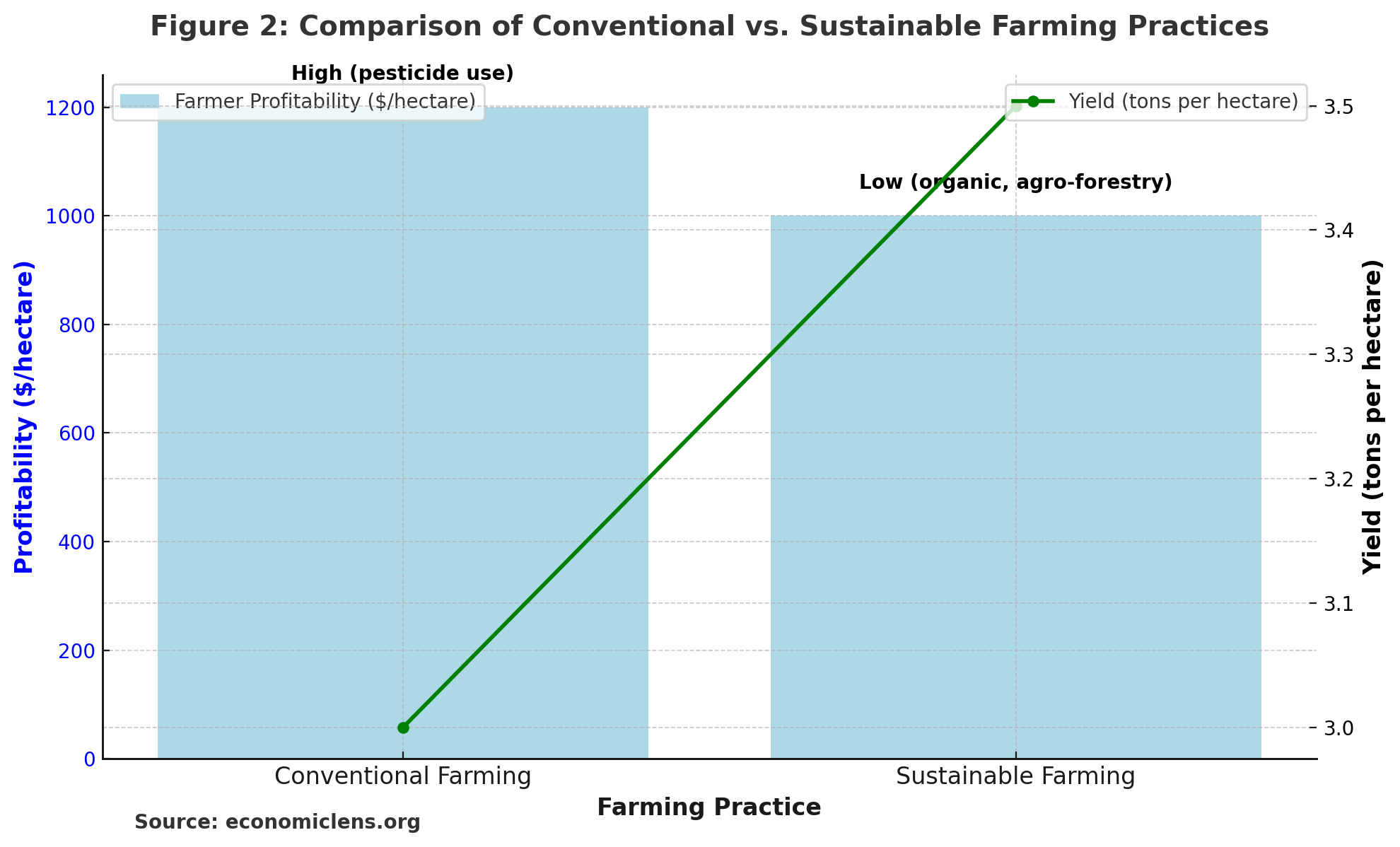
Sustainable agriculture offers slightly higher yields than conventional methods, but profitability may initially be lower due to the costs of transitioning. Over time, sustainable agriculture practices can lead to greater environmental and financial benefits as they reduce dependence on harmful chemicals and improve soil health, ensuring long-term food security.
“Sustainability in farming isn’t just about efficiency—it’s about ensuring that no one goes hungry in the future. By embracing sustainable agriculture, we safeguard food security for today and tomorrow’s generations.”
3. How Climate Change Impacts Food Security and Sustainable Agriculture
Climate change has a direct and adverse impact on agriculture, causing unpredictable weather patterns like flooding, droughts, and extreme temperatures. These changes reduce crop yields, making it harder to ensure food security. Understanding these impacts is critical to shaping effective food security strategies that also prioritize sustainable agriculture.
“Climate change threatens food security worldwide, but the solution lies in adaptive strategies. From drought-resistant crops to more efficient water management systems, sustainable agriculture can mitigate climate impacts and secure future food supplies.” – Professor Sarah Harris, Climate Change and Agriculture Specialist
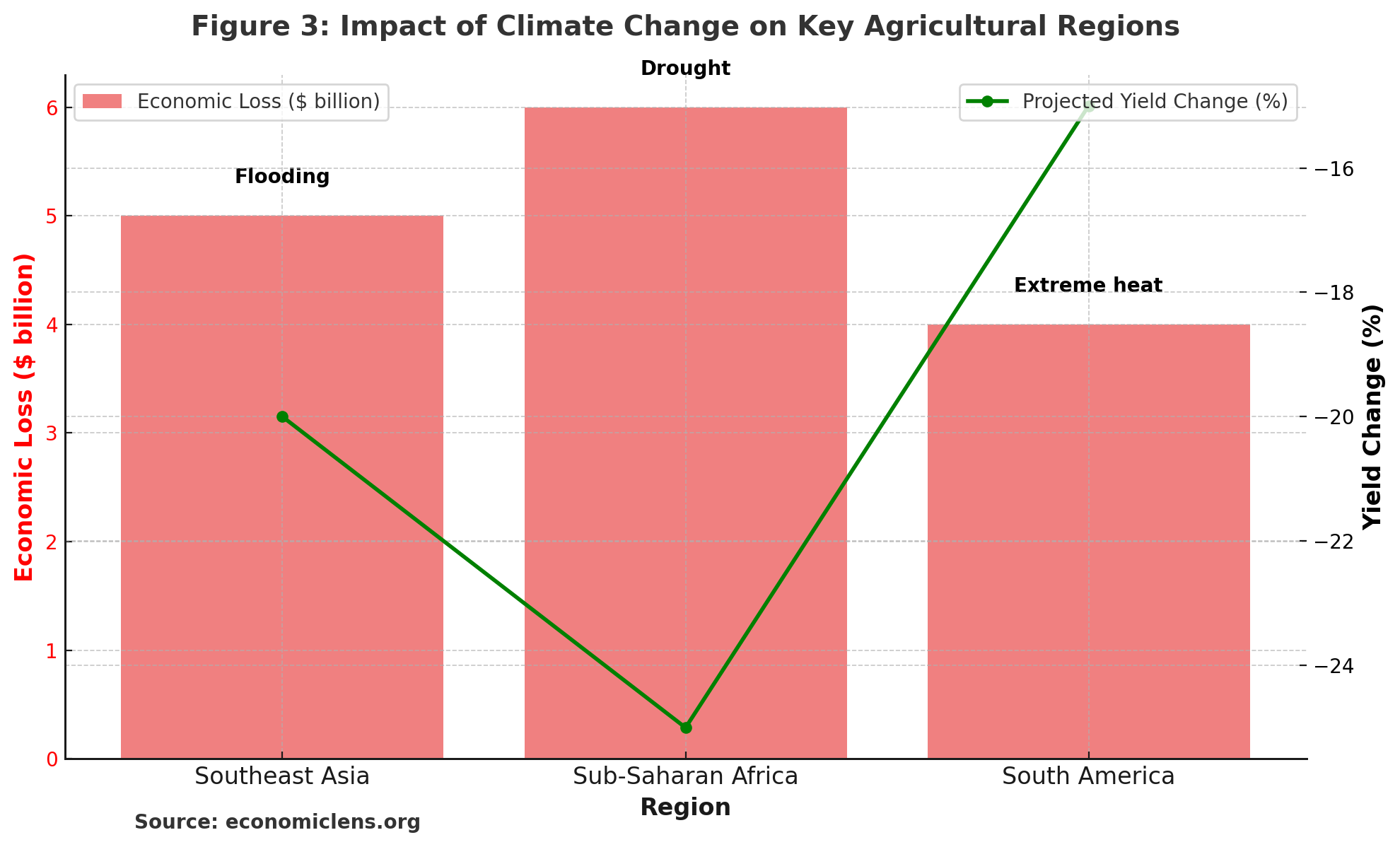
The figure illustrates the significant economic losses caused by climate events like flooding and drought, which severely affect crop yields. Southeast Asia and Sub-Saharan Africa are most vulnerable, with losses projected to reach billions, highlighting the need for climate-resilient, sustainable agriculture practices to protect food security.
“Rising temperatures don’t have to mean rising hunger. We have the tools to adapt and thrive. By transitioning to sustainable agriculture, we can safeguard food security and protect our planet for future generations.”
4. Innovative Solutions to Protect Farmers and Achieve Food Security
To achieve food security, empowering farmers with the knowledge and tools to implement sustainable agriculture practices is essential. Governments, NGOs, and private companies must invest in education, technology, and infrastructure to support farmers in adopting sustainable farming methods.
“Farmers need both the right tools and financial incentives to transition to Eco-friendly farming. By providing education and access to resources, we can enable them to adopt practices that protect both the environment and their livelihoods, ensuring long-term food security.” – Dr. Laura Mitchell, Agriculture and Rural Development Expert
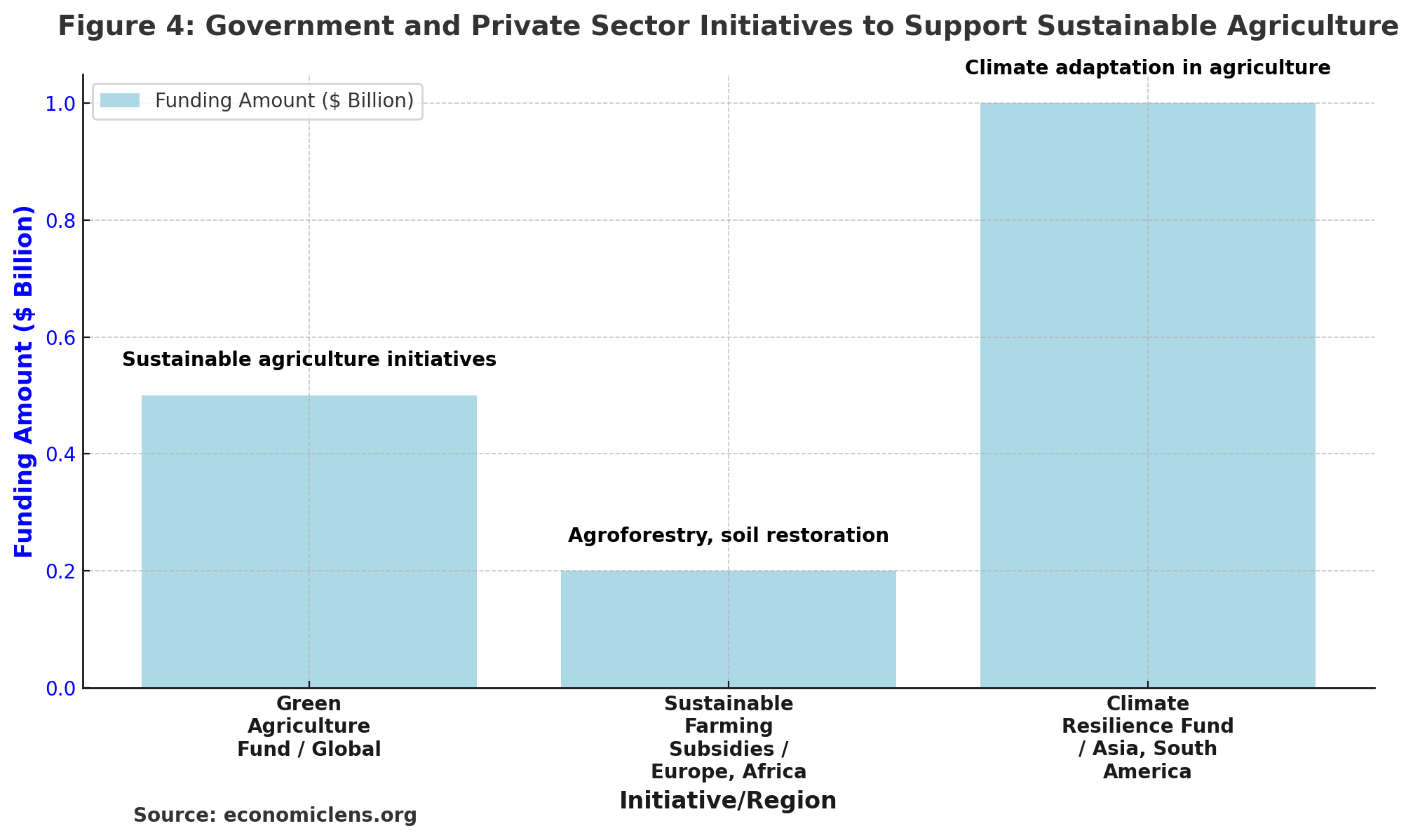
The figure highlights significant global investments aimed at supporting sustainable agriculture. While public-private initiatives are stepping up, there remains a gap between funding levels and the needs of farmers, especially in vulnerable regions facing the brunt of climate change, threatening food security.
“Supporting farmers today is the key to feeding the world tomorrow. Empowering them with the right tools, knowledge, and support ensures a future where food security and sustainable agriculture thrive together.”
5. The Role of Technological Innovation in Feeding the Future
Moreover, emerging technologies in agriculture—such as precision farming, AI-driven tools, and drone-based monitoring—can help farmers maximize yields, reduce waste, and minimize environmental impacts. These innovations are key to making sustainable agriculture more efficient and ensuring food security for future generations.
“Technology will be a key enabler in the fight against food insecurity. From AI-assisted crop management to drone-based irrigation, these innovations are revolutionizing how we produce food—making it more efficient and sustainable, contributing directly to food security.” – John Peterson, Agricultural Technology Innovator
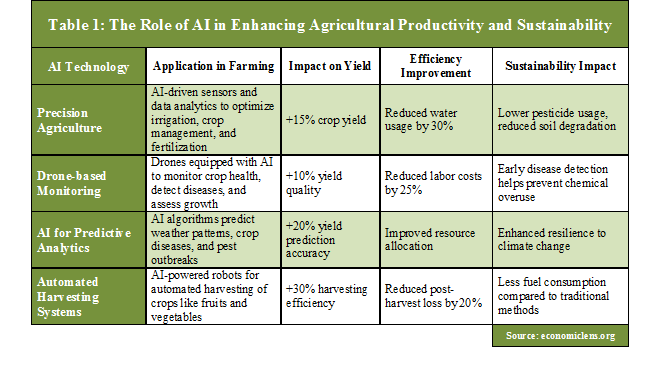
AI technologies are revolutionizing agriculture by improving crop yield, reducing resource waste, and minimizing environmental impacts. Precision agriculture, drone monitoring, and predictive analytics all contribute to more sustainable agriculture practices. These innovations not only boost productivity but also align with sustainability goals by optimizing resource use, ensuring food security.
“Innovation isn’t just about efficiency—it’s about ensuring that no one goes hungry in the future. By embracing technology and sustainable agriculture, we can guarantee food security for generations to come.”
6. The Path Forward: Bridging Gaps in Policy, Technology, and Practice
To achieve food security without harming farmers, we need coordinated efforts across policy, innovation, and education. Governments, the private sector, and farmers must work together to implement sustainable agriculture practices at scale, invest in new technologies, and ensure financial support is available to all.
“Addressing food security requires a multifaceted approach—policy support, technological advancements, and sustainable agriculture practices must align to ensure we feed the world without compromising the environment or farmers’ livelihoods.” – Dr. Angela Rose, Food Security and Policy Advisor
“The path ahead may be challenging—but it is also full of opportunity. Together, we can secure the future of farming and food security through sustainable agriculture, ensuring a better world for all.”
Conclusion: Shaping a Sustainable and Secure Future for Food
Ensuring food security while protecting farmers’ livelihoods requires action from all sectors. The future of farming lies in sustainable agriculture, climate adaptation, and technological innovation. We must act now to secure a future where food is abundant, nutritious, and produced without harming the planet or the people who feed us.
“Let’s commit to a future where food security is universal, and the people who feed us are protected, empowered, and supported. Together, we can create a world where sustainable agriculture is the foundation of global food security.”
Call to Action
As we face an uncertain future with rising populations and the growing threat of climate change, it is essential to take immediate action to ensure food security for all. By supporting sustainable agriculture practices, advocating for policy reforms that prioritize sustainability, and investing in cutting-edge technologies, we can build a resilient food system. Let’s work together—whether through education, innovation, or direct action—to create a future where every farmer is supported, the environment is preserved, and future generations have access to the nourishment they need to thrive. Your involvement is crucial in making this vision a reality.